What Is Escrow in Sacramento? A Guide for Buyers & Sellers
Does the word “escrow” make your head spin? You are not alone. When you buy or sell a home in Sierra Oaks, there are many moving parts, tight timelines, and a lot of paperwork. The good news is that once you know what to expect in California, escrow becomes a clear, step-by-step path to the finish line. In this guide, you will learn how escrow works, who does what, how long it takes in Sacramento, what documents and contingencies matter, and how to keep your closing on track. Let’s dive in.
Escrow is a neutral third-party process that protects both you and the other party while you complete the terms of the purchase contract. The escrow holder safely holds funds and key documents, then releases money and records the deed only after all agreed conditions are met. This structure keeps the transaction fair and organized from start to finish.
In California, licensed escrow companies and many title companies provide escrow services. They are regulated and follow written instructions signed by buyer and seller. In the Sierra Oaks area, your agent will open escrow with a local title or escrow provider right after your offer is accepted.
Escrow officers must remain neutral. They do not give legal advice and instead follow the written escrow instructions in your contract. If you have legal questions, consult an attorney.
You deposit earnest money, schedule inspections, complete loan conditions, and review disclosures. You sign escrow instructions and, if you are financing, your loan documents. You also approve and remove contingencies within agreed timelines.
You provide required disclosures, sign the deed and transfer documents, and deliver possession as agreed. You also arrange payoff of any loans and address any negotiated repairs or credits.
Your real estate agent negotiates terms, tracks deadlines, and coordinates inspections. The escrow officer administers the file and prepares the closing statement. The title company reviews the preliminary title report, clears issues, and issues title insurance policies.
Your lender handles underwriting, orders the appraisal, issues loan documents, and funds the loan at closing. If there is an HOA, the management company provides an estoppel package with balances, rules, and governing documents.
The length of escrow depends on financing, contingency periods, and vendor availability. Cash deals often close in 7 to 14 days if everyone is ready. Financed transactions commonly take 30 to 45 days, sometimes longer if underwriting is complex.
Your offer is accepted, and escrow opens. You send the earnest money per the contract, often within 1 to 3 days. Escrow orders the preliminary title report and opens their file.
Many California contracts use a 17-day inspection period as a common default, although yours may differ. You schedule inspections such as general, pest, roof, sewer, pool, or spa. If you are financing, a loan contingency around 21 days is common, and your lender collects documents and begins underwriting.
Appraisals and initial underwriting typically take 7 to 21 days, depending on appraiser and lender capacity. In Sacramento County, availability can tighten during peak seasons, so plan ahead.
After inspections and review of disclosures, you may negotiate repairs or credits. Once you are satisfied and your loan is on track, you remove contingencies in writing so the lender can issue final approval.
Your lender issues a Closing Disclosure at least 3 business days before closing for most mortgage loans. After final approval, you sign closing and loan documents, the lender funds, and escrow records the grant deed and any deed of trust with Sacramento County. Funds are disbursed after recording.
You receive final statements and title policies after recording. Title policies can take days to weeks to arrive. Keep your closing packet for tax and record-keeping.
This allows you to investigate the property’s condition and cancel or request repairs or credits. Common reports include general home, termite or pest, sewer scope, roof, and pool.
If the appraisal is below the purchase price, you can renegotiate, bring extra cash, or cancel if protected. Loan contingencies allow you to exit if you cannot meet lender conditions.
You can require that liens or title issues be cleared before closing. If there is an HOA, you will review the governing documents, budget, and estoppel for balances and rules.
Buyer closing costs typically include lender fees such as origination and appraisal, escrow charges, lender’s title insurance, recording fees, transfer taxes when applicable, and prepaids for taxes, insurance, and interest. A common range is 2 to 5 percent of the purchase price, depending on the loan and local fees.
Sellers usually cover broker commissions, seller-side title and escrow charges, payoff of existing loans, transfer taxes where applicable, and any negotiated credits or repairs. Commission totals of 5 to 6 percent are common in many markets, but everything is negotiated in your contract.
Property taxes, HOA dues, and utilities are typically prorated to the closing date. California property taxes are billed annually in two installments, and escrow will calculate prorations based on Sacramento County practices. Documentary transfer taxes may apply at the city or county level, so your escrow officer will verify the correct amounts and any exemptions.
If you are buying or selling in Sierra Oaks, a calm, organized escrow makes all the difference. Our boutique team pairs clear guidance with steady communication so you can move with confidence. If you want a personalized plan for your timing, contingencies, and costs, reach out to Melissa Allman for a friendly, no-pressure consultation.
Stay up to date on the latest real estate trends.
Curtis Park
Upper Land Park
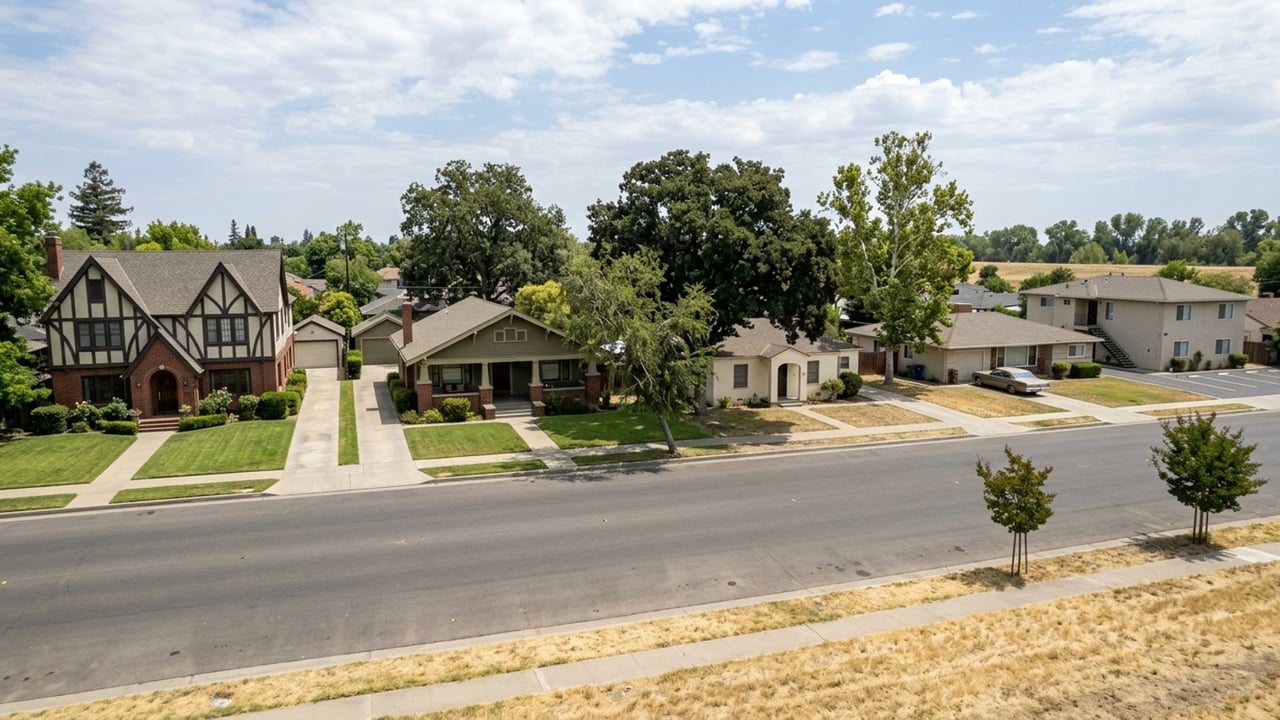
Land Park CA
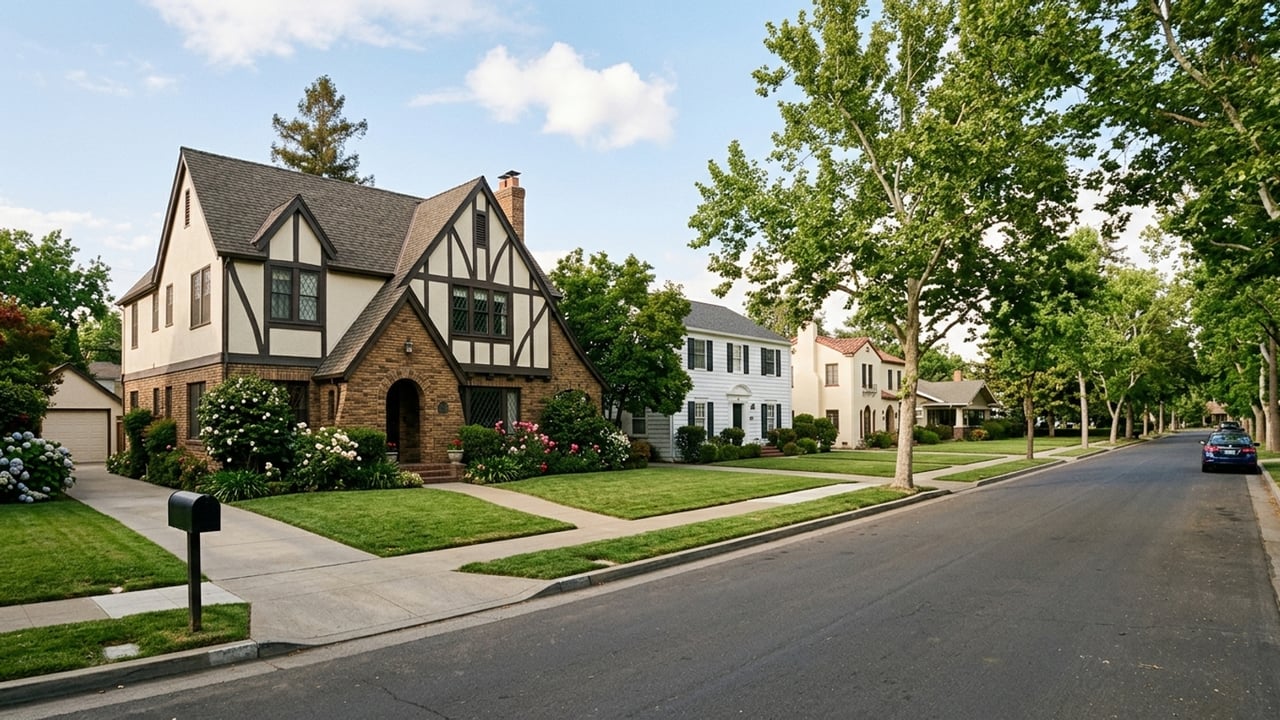
Land Park CA
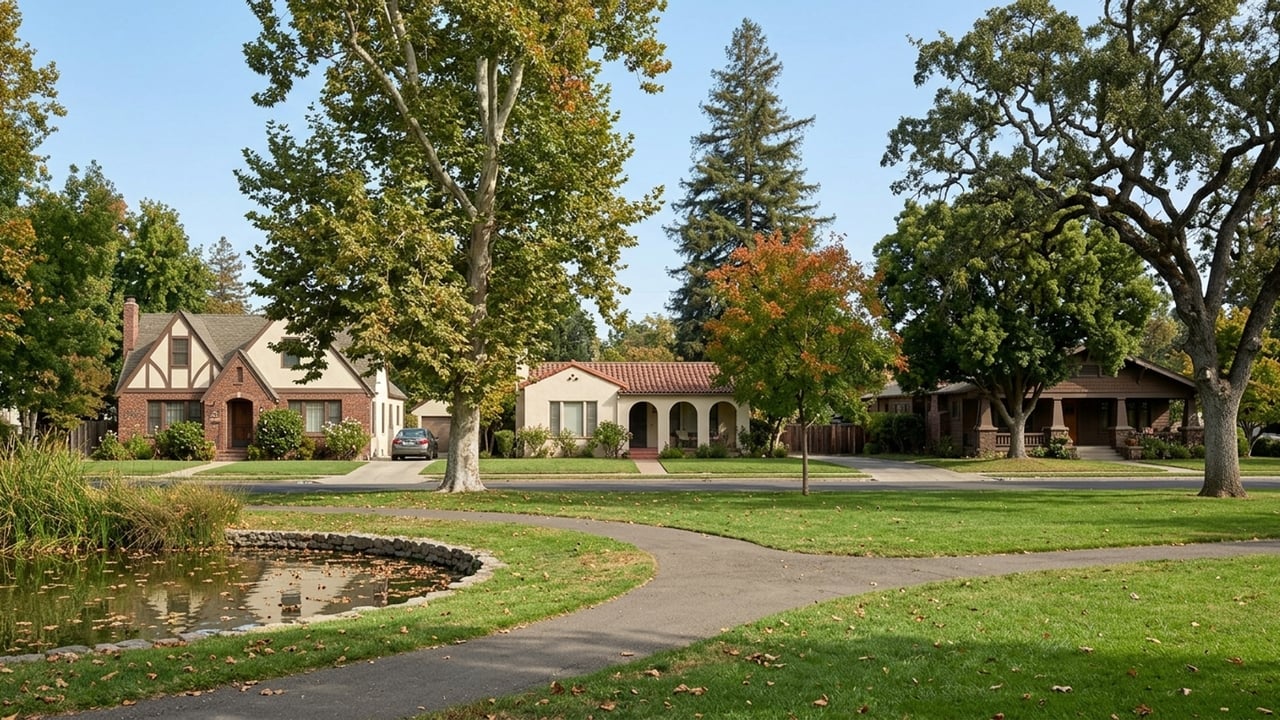
Upper Land Park
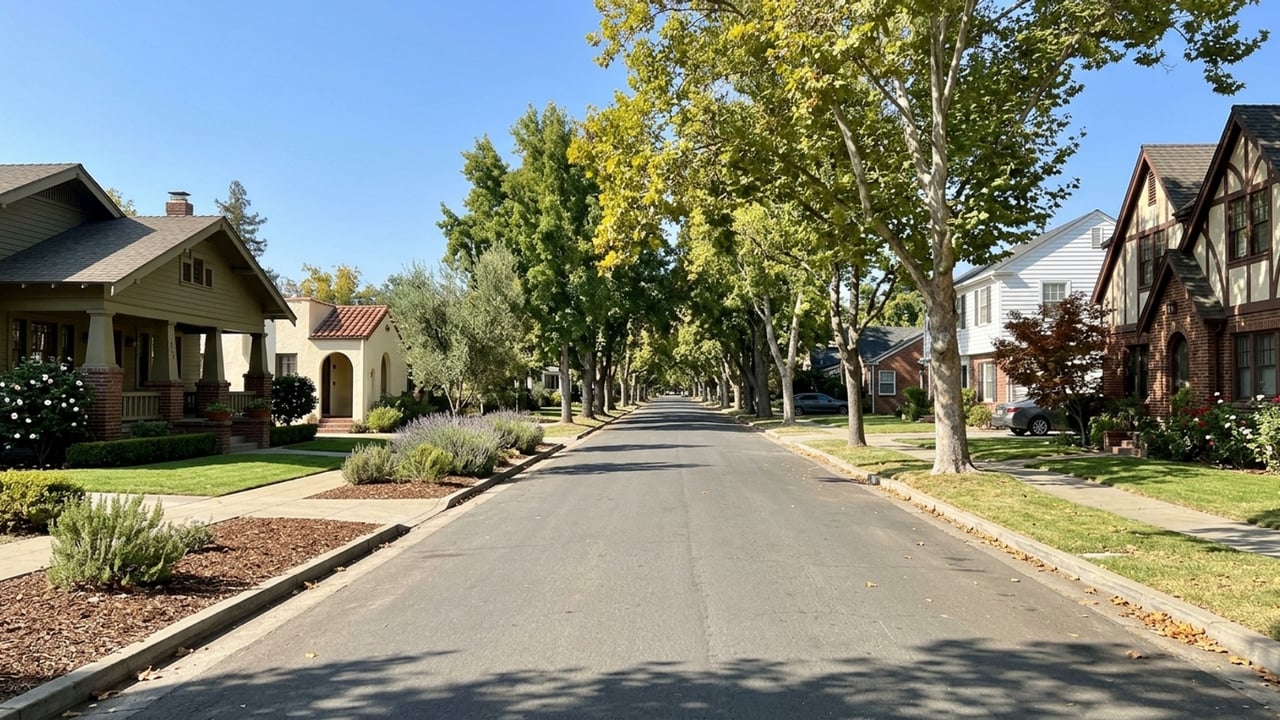
Curtis Park
Land Park CA
East Sacramento
Your real estate goals are within reach, and we’re here to be your guide. Whether you’re searching for your first home, looking to build your investment portfolio, or ready to maximize the sale of your property, MegaBliss Real Estate will provide the support, expertise, and dedication you need to reach your goals.
Get In Touch With Our Team To Learn More

730 I Street, Suite 200 Sacramento CA 95814 Melissa Allman | CA DRE# 01397300