Leave a Message

Thank you for your message. We will be in touch with you shortly.

How Appraisals Work in Carmichael

Have you ever wondered what really happens between the appraisal order and the number that lands on your desk? If you are buying or selling in Carmichael, that value can feel mysterious and high stakes. You want a smooth closing, a confident price, and no surprises. This guide breaks down how appraisals work here, how comps are chosen, what affects value most, and what you can do to stay in control. Let’s dive in.

Appraisal basics in Carmichael

An appraisal is an independent opinion of market value that a lender usually orders to confirm a home is suitable collateral for a loan. It helps protect lenders and, indirectly, you as a buyer or seller.

Appraisers are licensed in California and follow national standards known as USPAP, plus lender requirements from Fannie Mae and Freddie Mac. They rely on local data, on-site observations, and recent market activity to estimate value.

The report for most single-family homes is the Uniform Residential Appraisal Report. It documents the inspection, comparable sales, adjustments, and the final opinion of value.

Timeline: what to expect

Appraisals follow a predictable flow, though timing can shift with local demand in Sacramento County.

  • Assignment accepted and scope reviewed by the appraiser.
  • Scheduling and property inspection of the interior and exterior, with measurements and photos.
  • Market research, comparable sales selection, and analysis.
  • Report write-up and delivery to the lender for loan processing.

Typical timeframes:

  • Inspection is often scheduled within 3 to 10 days after the order.
  • Report delivery is commonly 3 to 10 business days after inspection.
  • The full process often spans about 7 to 14 days, depending on volume and property complexity.

How appraisers choose comps in Carmichael

The best comps are recent closed sales that mirror your home’s location, age, size, condition, and amenities.

  • Preferred comps are in the same neighborhood and closed in the past 3 to 12 months, with more weight on the most recent sales in faster markets.
  • Pending sales and active listings can provide context in rapidly changing conditions, but closed sales carry the most weight.
  • Distressed or unusual sales are used cautiously and adjusted when necessary.

Local Carmichael factors

Carmichael is an unincorporated part of Sacramento County with several micro-markets. Appraisers look closely at:

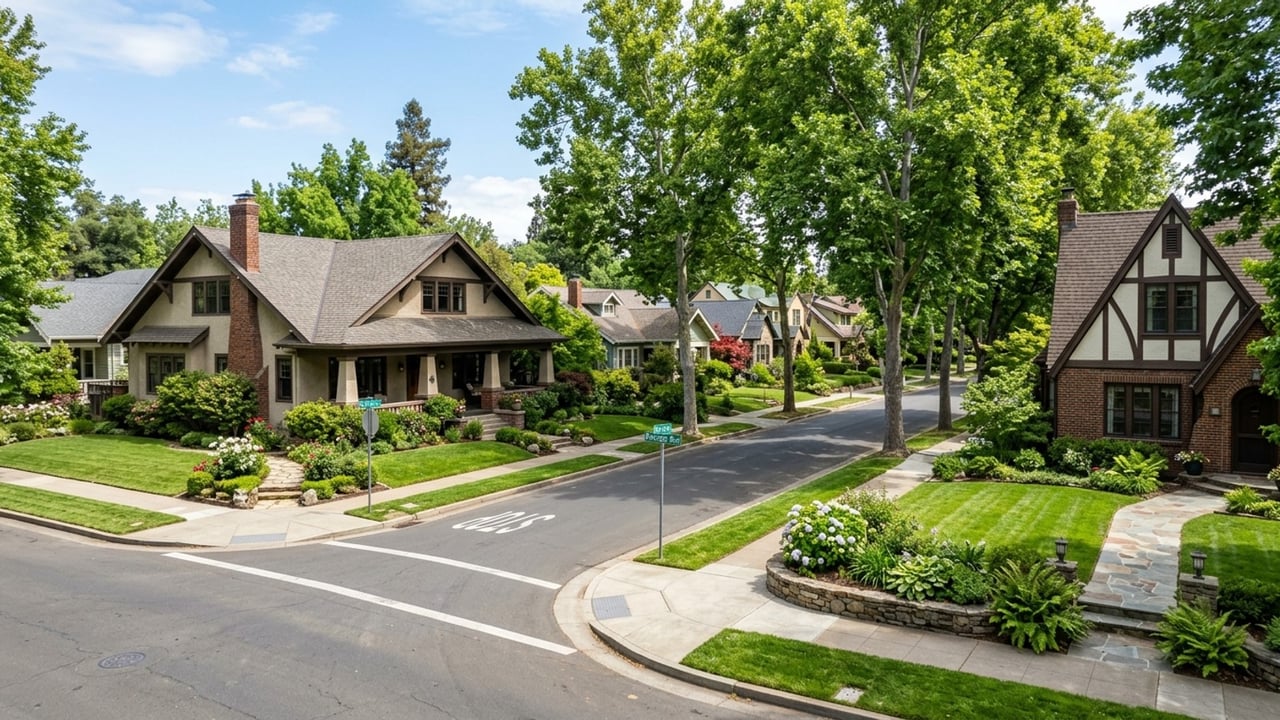
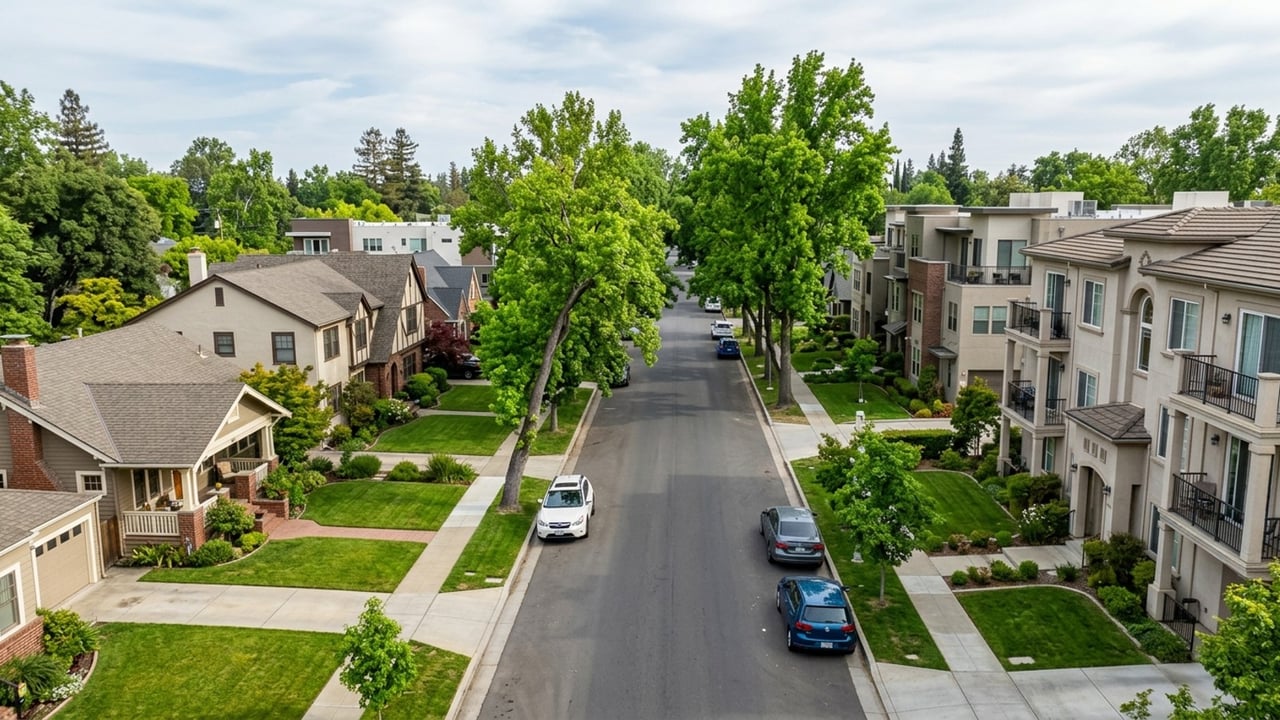
  • Neighborhood boundaries and street patterns. Some pockets have different price behavior, so staying within the immediate area is ideal when possible.
  • Proximity to the American River Parkway, county parks, and major arterials. These features can influence value and require tighter comp matching.
  • Lot size and topography. Carmichael includes both typical suburban lots and larger parcels. Big lot differences often need adjustments.
  • Housing stock. Many homes are mid‑20th‑century ranch, bungalow, or split-level. Functional utility and style influence which comps fit best.
  • Permits and accessory units. Permitted room additions and ADUs carry more reliable value. Unpermitted work can require a discount or extra caution.

Data sources appraisers use locally

Appraisers commonly rely on the Sacramento-area MLS for recent sales, Sacramento County Assessor and Recorder for parcel and permit records, and FEMA flood maps if flood status or insurance might affect value.

What affects value most here

Appraisers weigh physical attributes, function, and market preferences. In Carmichael, these features tend to matter:

Square footage and layout

Gross living area is foundational. A well-matched bedroom and bathroom count for the size improves marketability and helps drive per-square-foot comparisons.

Lot size and outdoor space

Larger or more usable lots can earn premiums, especially if they allow outdoor living or room to expand. Irregular or steep lots may need adjustments.

Condition and interior updates

Kitchens, baths, flooring, windows, HVAC, and roof condition influence value. Documented, permitted updates carry more weight because they are verifiable and reflect market expectations.

Pools and exterior amenities

Pools can boost appeal in our warm climate, but they do not always return full cost. Their impact depends on neighborhood norms and buyer demand. Maintenance, safety features, and operating costs are part of the equation.

Permits and unpermitted work

Permitted improvements are usually valued more reliably. Unpermitted additions may reduce value or complicate financing until they are brought into compliance.

Accessory dwelling units (ADUs)

Legally permitted ADUs often add measurable value due to added usable space and potential income. Appraisers consider permit status and how the market values this feature.

Energy features and solar

Owned solar systems and energy-efficient upgrades can add value. Appraisers consider ownership terms and remaining life. Leased systems are treated differently than owned ones.

Location: noise, views, flood, parks

Proximity to the American River and parks can be positive. Noise corridors or flood zone designations may require adjustments and can affect insurance and financing. Appraisers check FEMA maps and local data as needed.

Market trends

Speed of appreciation or softening, inventory, and days on market in Carmichael shape how much weight appraisers give to the newest sales versus older ones.

Common outcomes and how to respond

Sometimes the final value differs from the contract price. This can happen if recent comps are limited, if condition varies from expectations, or if the market is moving faster than closed sales reflect. Here is how to stay proactive.

If you are selling: prepare before listing

Create a simple fact packet the appraiser can rely on. Include:

  • A short feature list, plus professional photos that show updates clearly.
  • Copies of permits and final inspections for additions, ADUs, pools, and major systems.
  • Contractor invoices, dates of upgrades, and any transferable warranties.
  • Recent utility bills and HOA documents if applicable.
  • A few recent comparable sales you and your agent used for pricing, with brief notes on why they match.
  • Address safety and deferred maintenance items, especially roof, HVAC, and obvious condition issues.

If you are buying: options when value is low

If the appraisal comes in below contract price, you still have several paths:

  • Review the report for factual errors, such as square footage, room count, lot size, or condition.
  • Provide additional recent comps and context to your lender for a reconsideration of value.
  • Ask about a second appraisal if your lender’s policy allows it.
  • Use your contract tools. You might negotiate a price reduction, request seller credits, increase your down payment, or use appraisal gap funds.
  • Stay local. A lender and agent with Carmichael and Sacramento County experience can help present the right market evidence.

Special cases: bring in the right pros

Unique properties and sparse comps benefit from extra expertise.

  • Large lots, extensive ADUs, or custom features may call for an appraiser with strong local experience or a formal appraisal review.
  • For unpermitted work, engage the county permitting office and obtain contractor bids and timelines to regularize improvements. Appraisers look for verified records.

Local tips to avoid surprises

Simple preparation helps the process feel fair and predictable.

  • Be flexible with scheduling to keep the 7 to 14 day window on track.
  • Provide a complete packet on inspection day, including permits, upgrades, and a brief comp list.
  • Clarify solar ownership in writing. Note if the system is owned or leased and include documents.
  • Gather pool details, such as age of equipment, safety features, and maintenance history.
  • If you are near the American River or a creek, have any flood or elevation documents handy.
  • For ADUs or garage conversions, supply permits and final inspections up front.

Closing thoughts

Appraisals in Carmichael are grounded in local data, clear standards, and how buyers respond to features like lot size, updates, and proximity to the river and parks. When you prepare documentation, choose realistic comps, and respond calmly to findings, you put yourself in a strong position to close on time and with confidence.

If you want help selecting comps, assembling a clean fact packet, or navigating a low appraisal, connect with Melissa Allman for local guidance that keeps your goals front and center.

FAQs

Carmichael appraisals: why can value differ from my offer?

  • Appraisals rely on recent closed sales and objective adjustments; in fast markets, contract prices can outpace the latest closed comps.

How far will a Carmichael appraiser look for comps?

  • Appraisers start in the same neighborhood and expand only if needed to find truly comparable sales.

Do pools add value in Carmichael?

  • It depends on neighborhood norms and demand; pools can increase appeal but do not always return full replacement cost.

Can buyers or sellers give comps to the appraiser?

  • Yes. You can share closed sales and documentation, and the appraiser will independently analyze and reconcile the data.

Are permits important for appraisal value?

  • Yes. Permitted improvements are valued more reliably, while unpermitted work can reduce value or complicate financing.

Ready to Take the Next Step?

Your real estate goals are within reach, and we’re here to be your guide. Whether you’re searching for your first home, looking to build your investment portfolio, or ready to maximize the sale of your property, MegaBliss Real Estate will provide the support, expertise, and dedication you need to reach your goals.

Follow Me On Instagram