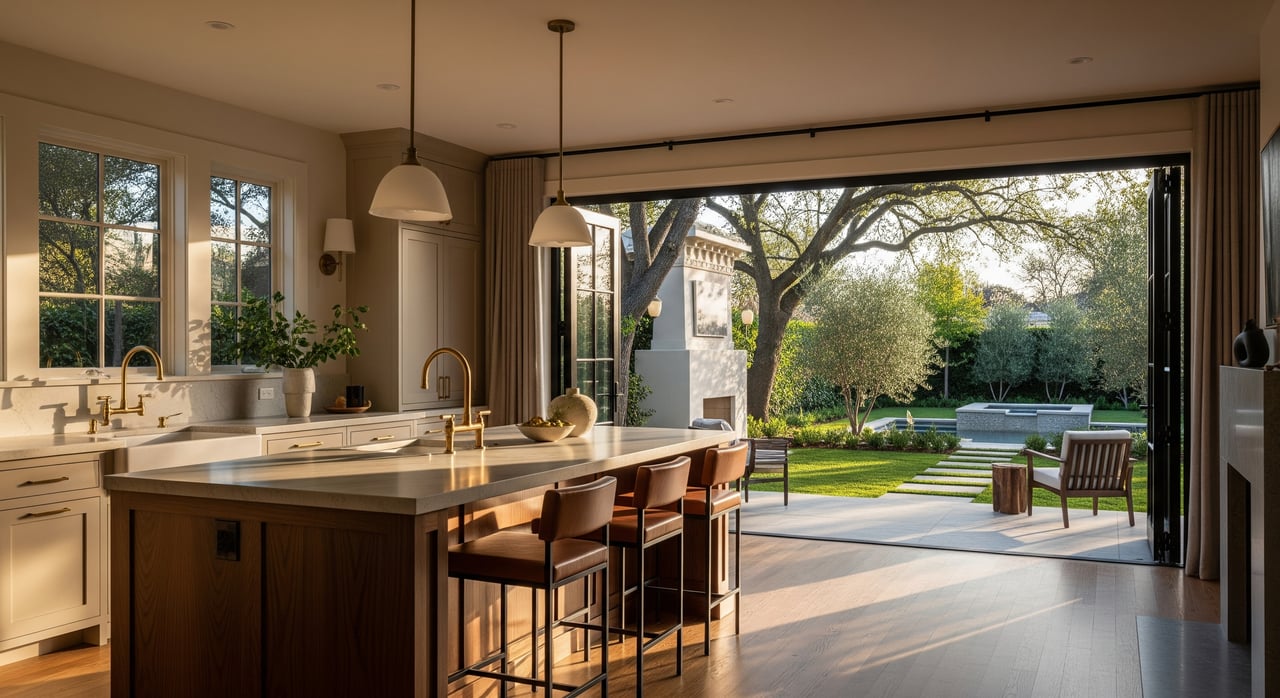
Smart Carmichael Home Pricing Strategy for Sellers
Thinking about selling your Carmichael home so you can buy your next one? Your list price is the lever that controls everything: showings, offers, and how smoothly you can move into your next place. In Carmichael, values can shift from block to block, which makes pricing both a science and an art. In this guide, you’ll learn how to set a smart list price using local comps, condition, and micro trends, how to know when to adjust, and how to keep your move-up plans on track. Let’s dive in.
Carmichael sits along the American River corridor in Sacramento County, and buyers often shop very locally. Proximity to the American River Parkway and Ancil Hoffman Park, commute routes, and retail along Greenback Lane all influence what buyers will pay. That means two similar homes a few blocks apart can attract very different offers.
River-adjacent homes often see premiums for recreation and scenery. Established mid-century ranch neighborhoods bring value for lot size and single-story layouts, but buyers look closely at systems like electrical and HVAC. Near Greenback or Arden, accessibility can be a plus, though traffic and noise may require price sensitivity. Always start with the street and the block as your core comparison set.
Use the most recent closed sales in your immediate micro-neighborhood. Prioritize your same street or subdivision, then expand within about a half to one mile if inventory is thin. Target a 30 to 90 day window to reflect current conditions. Pending and active listings help with context, but rely on closed sales for final valuation.
Match the basics: bedroom and bathroom count, finished square footage, lot size, and property type. Adjust for material differences like a garage, pool, ADU, or basement. If you must look back beyond 90 days, note that those sales may be less reliable if rates or local supply have shifted.
Condition significantly shapes value. Think in tiers: original or dated, updated cosmetic, partially remodeled, and fully remodeled or turnkey. Each tier usually attracts a broader buyer pool and higher price per square foot. Key modifiers include usable lot size, remodeled kitchen and baths, new roof or HVAC, energy upgrades, bathroom count compared to bedrooms, covered parking, and visible deferred maintenance.
Be candid about disclosures and known defects. Foundation issues, flood zone designations, or code violations can affect financing and reduce buyer willingness to pay. Pricing correctly from the start keeps you from chasing the market later.
Price per square foot is a helpful normalization tool, but it is not the whole story. Calculate a neighborhood median from recent closed sales, then compare your home. Watch for outliers caused by larger lots, higher ceilings, or premium renovations that punch above their size. Use price per square foot as one lens, then cross-check with the most relevant comps.
Homes closer to the American River or Ancil Hoffman Park can command premiums for access to trails and open space. If your property is in or near a mapped floodplain, verify its status using the FEMA Flood Map Service Center. Buyers will factor potential flood insurance costs into their offers, so clarity helps you price confidently.
Proximity to major roads, job centers, and retail is a common value driver. On the flip side, traffic noise or commercial adjacency can push prices lower. Use on-the-ground feedback from showings to see how buyers perceive your location.
School assignments often influence buyer decisions. Point buyers to neutral resources such as GreatSchools and official district pages for objective information. Keep your language factual and avoid quality claims. Your pricing should reflect how buyers in your micro area typically weigh school assignments when deciding between similar homes.
Buyers filter their searches using common cutoffs. Pricing at $399,900 versus $400,000 or $749,000 versus $750,000 can change how often your home appears in alerts. Aim to land inside high-traffic search buckets without undercutting your target net.
Your highest exposure happens in the first two weeks. New listing alerts go out, and motivated buyers rush to see fresh inventory. Track objective indicators, then decide whether to hold or adjust.
For regional context, your agent should monitor monthly market updates from the Sacramento Association of REALTORS, then translate those trends to your specific micro-neighborhood.
Consider a price or strategy change if showings lag in the first week to two weeks, if you have no offers by the end of week two, if buyer feedback focuses on price, or if new competing listings shift the landscape. In a cooler patch, act sooner rather than later.
If your price is close but not converting, improve how buyers experience your home:
These changes can reframe value without immediately lowering price.
If your new home depends on selling your current one, speed and certainty matter as much as top-line price. A conservative list price that secures a strong early offer can reduce the risk of a sale contingency and make your purchase offer more competitive.
Discuss timelines and tools with your agent:
A well-priced listing that sells quickly can be worth more to your plan than chasing a higher number that adds weeks on market.
You deserve more than a rough estimate. Our team pairs street-level pricing advice with modern marketing to maximize your first two weeks on the market.
Here is how we help you win your move-up:
If you want to dig deeper into walkability and amenities that may influence buyer perception, we also use resources like WalkScore to support data-driven conversations.
Carmichael pricing rewards precision. When you price with current comps, adjust honestly for condition and location, and keep a close eye on the first two weeks, you set yourself up for strong offers and a smoother move. If you are planning a purchase right after your sale, we will help you balance price and speed so your next-home timeline works.
Ready for a local pricing game plan tailored to your block, your home, and your move-up goals? Connect with Melissa Allman to Request a Free Market Consultation.
Stay up to date on the latest real estate trends.
Curtis Park
Upper Land Park
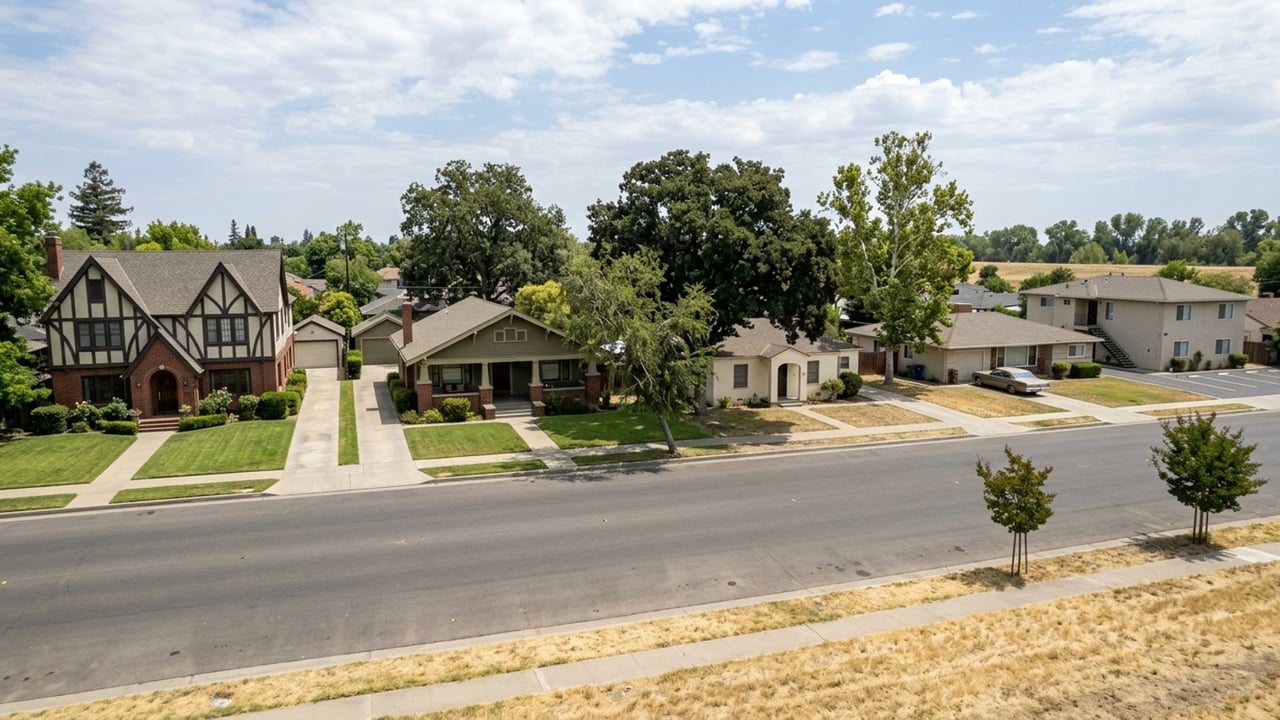
Land Park CA
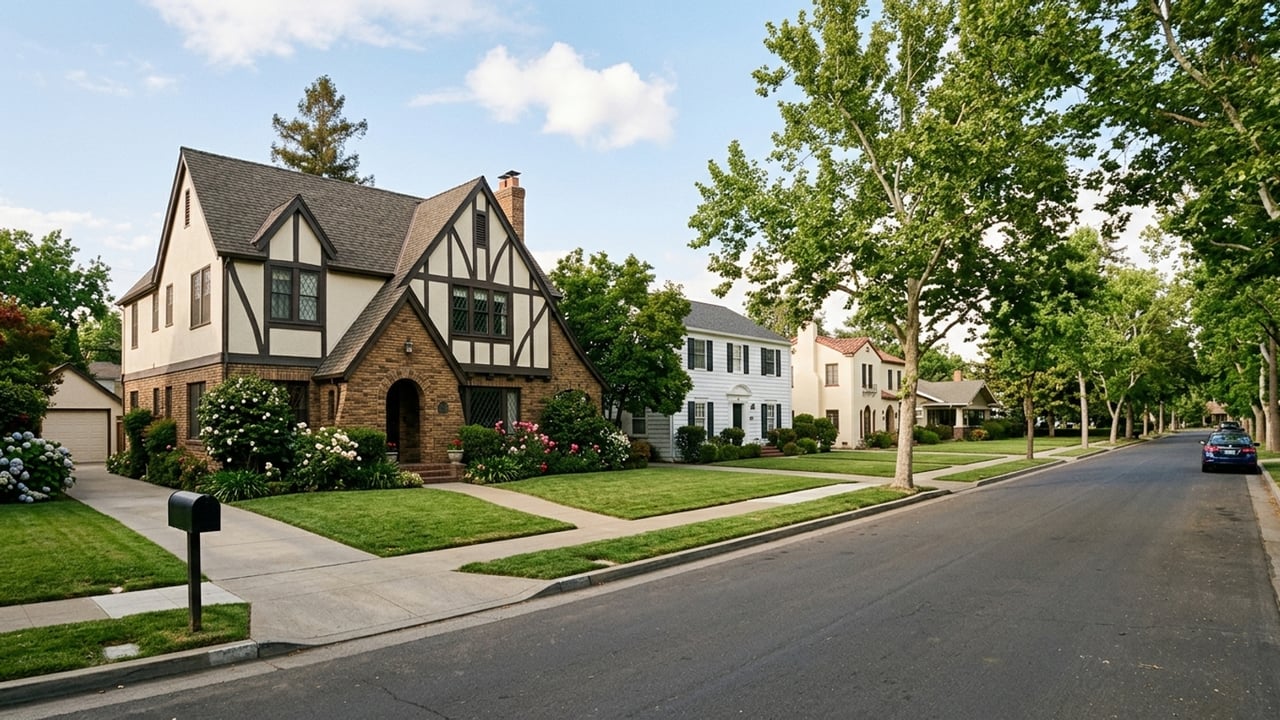
Land Park CA
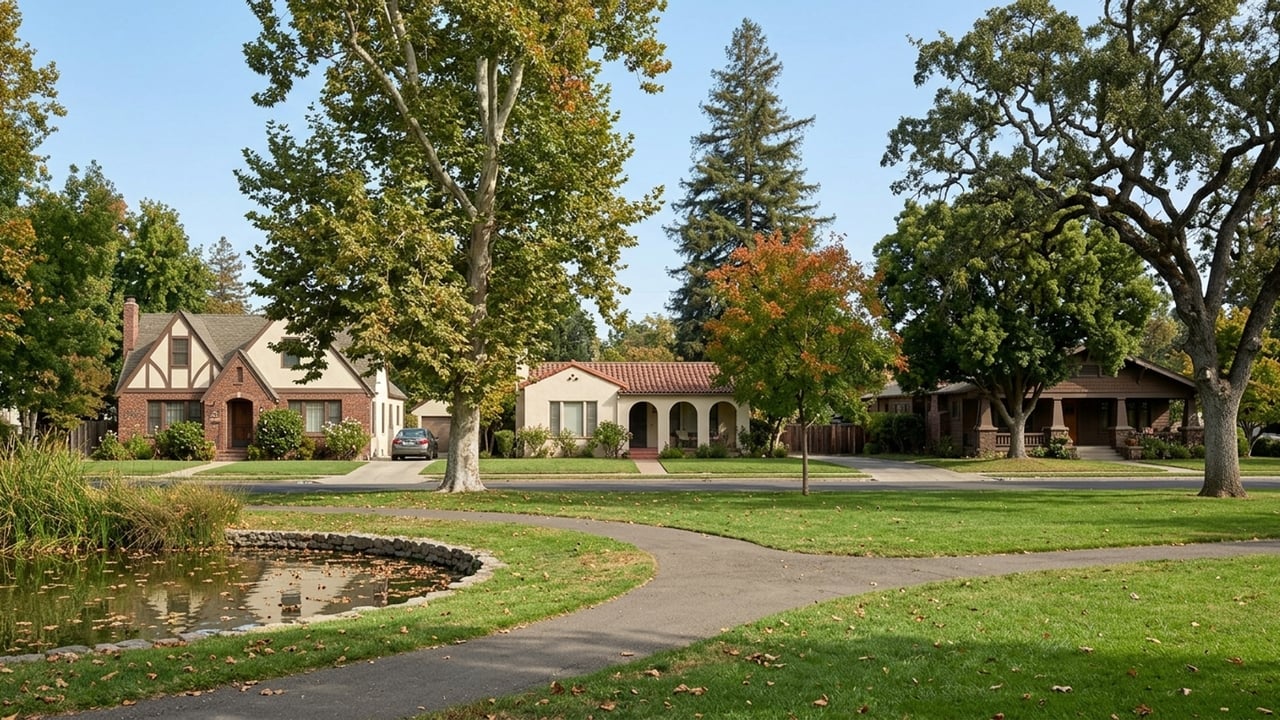
Upper Land Park
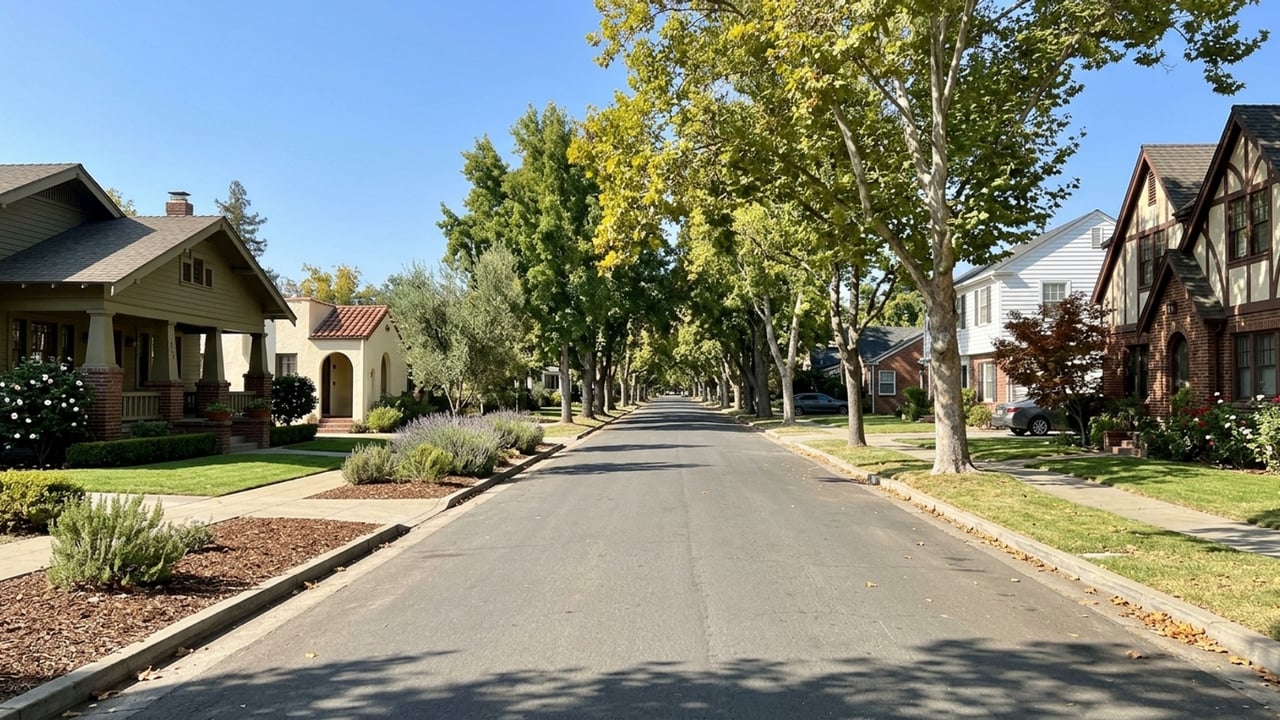
Curtis Park
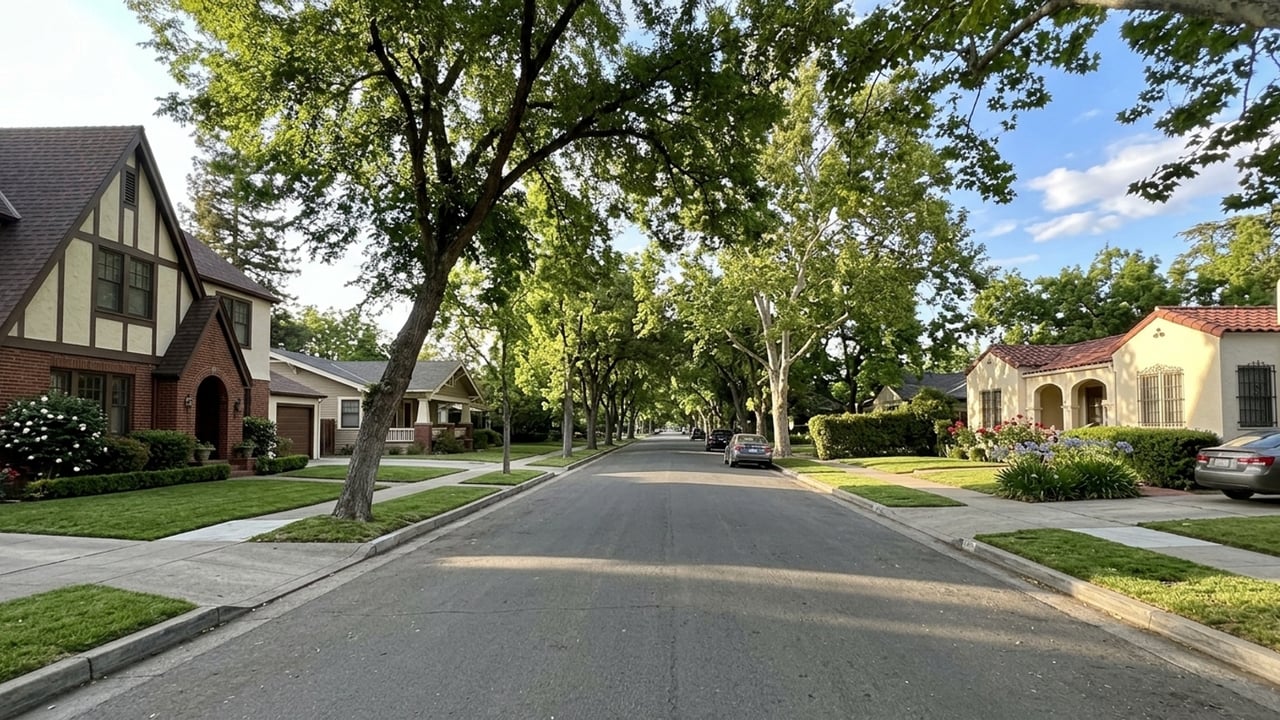
Land Park CA
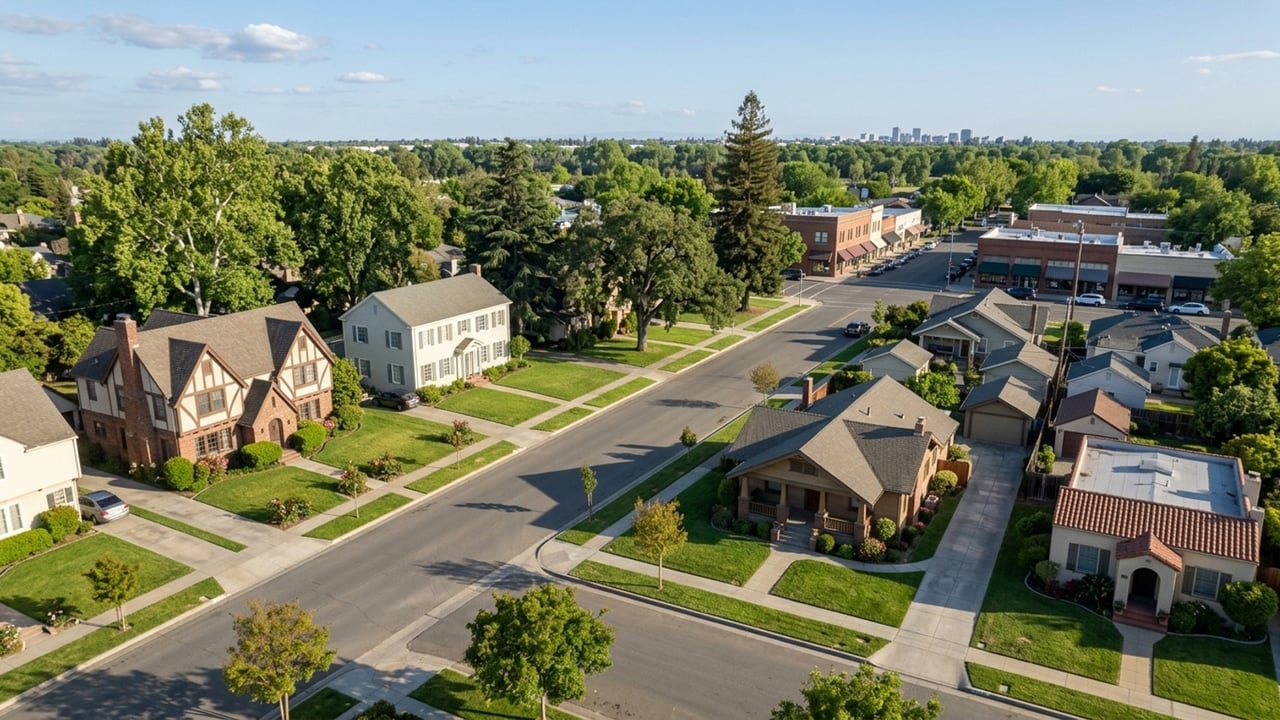
East Sacramento
Your real estate goals are within reach, and we’re here to be your guide. Whether you’re searching for your first home, looking to build your investment portfolio, or ready to maximize the sale of your property, MegaBliss Real Estate will provide the support, expertise, and dedication you need to reach your goals.
Get In Touch With Our Team To Learn More
730 I Street, Suite 200 Sacramento CA 95814 Melissa Allman | CA DRE# 01397300