Torn between a Downtown or Midtown Sacramento condo? Both offer a fun, walkable lifestyle, but the buildings, HOA costs, and investment math can look very different. If you want clarity on day-to-day living, pricing, and what actually pencils out, you’re in the right place. In this guide, you’ll compare neighborhoods, see real examples, and get a simple checklist to make a confident choice. Let’s dive in.
How each area feels
Downtown
You live steps from DOCO and Golden 1 Center, where games and concerts drive big-city energy. Expect more high-rise and luxury buildings with concierge-style amenities. You’ll also be near Sacramento Valley Station and several light-rail stops, which can simplify regional travel. Event nights feel lively, and services cluster around the arena district and office core.
Midtown
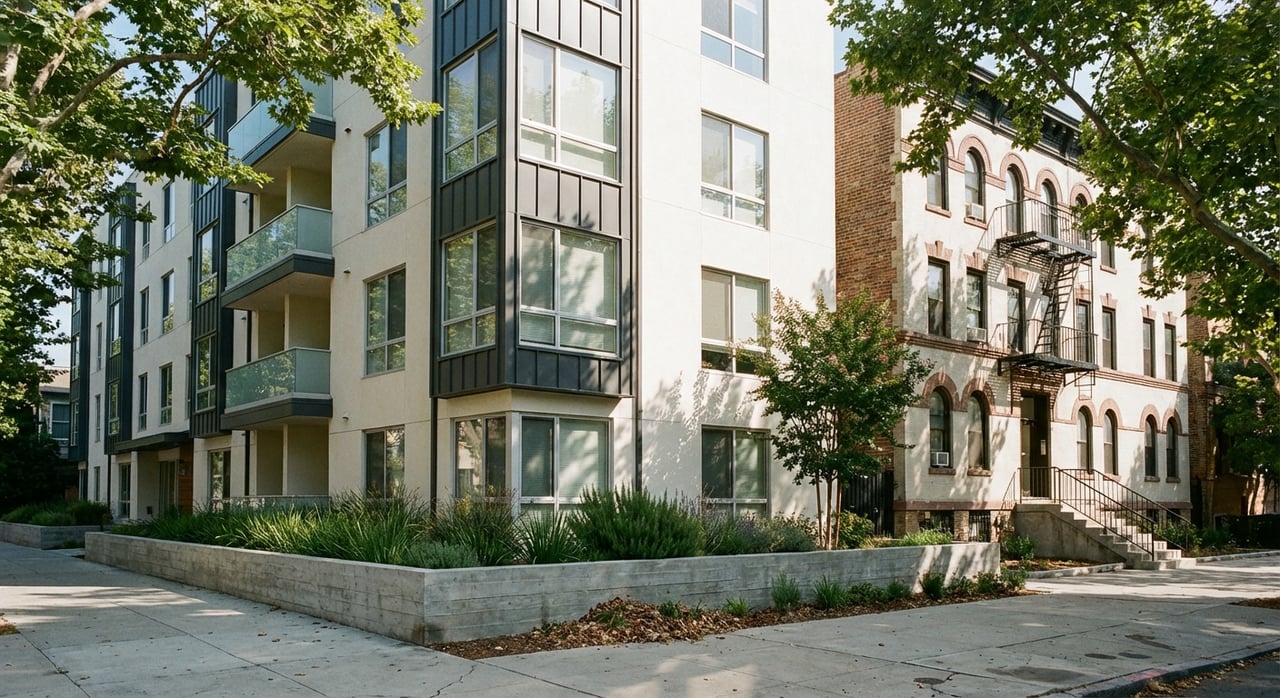
You get tree-lined streets and a strong restaurant, bar, and arts scene. Midtown’s vibe centers on galleries, the Midtown Farmers Market, and boutique retail. Buildings skew smaller, with historic conversions, walk-up lofts, and mid-rise infill. Daily life feels neighborly and easy to navigate, with coffee, dining, and errands close by.
Walkability and transit access
Both neighborhoods are a walker’s paradise. According to Walk Score, Midtown rates about 94 and Downtown about 93 for walkability, which places both among Sacramento’s most pedestrian-friendly areas (Walk Score Midtown).
Transit tilts toward Downtown. Sacramento Valley Station sits at the center of regional travel with Amtrak and bus connections, and ongoing connectivity projects aim to strengthen the hub in the years ahead (SVS connectivity projects). Midtown also enjoys multiple bus and light-rail options, but most residents prize the walk-and-bike lifestyle to restaurants and cultural venues.
Condo types and amenities
- Downtown: More high-rise and amenity-rich buildings. The Residences at The Sawyer offer premium finishes and services like valet and concierge, which help define Downtown’s luxury profile. A recent Sawyer listing shows HOA dues around $2,696 per month, reflecting amenities and bundled services (Sawyer penthouse example).
- Midtown: More boutique lofts, historic conversions, and mid-rises. HOAs tend to be moderate, and parking varies from assigned stalls to street parking. A Midtown complex like Riverfront Plaza shows representative HOA dues in the roughly $450 to $600 per month range on mid-size units (Riverfront Plaza example).
Takeaway: Amenities shape your monthly costs. High-service buildings can be blissfully low-maintenance, but you will pay for that convenience through higher HOAs.
Prices and rents today
Neighborhood-wide medians are useful context, but they blend all housing types. For condos, look at condo-specific inventory and sold comps.
- Midtown (Realtor.com, Dec 2025): median home price around $671,950; median rent about $2,158 per month (Realtor Midtown overview).
- Downtown (Realtor.com, Oct 2025): median home price around $599,000; median rent about $2,402 per month (Realtor Downtown overview).
- Condo snapshots: Recent Redfin listings show Midtown condos with a median around $507,000 in a small active sample (Redfin Midtown condos). Downtown’s active condo sample can skew higher because of luxury units at The Sawyer, sometimes showing medians above $1 million in small samples (Redfin Downtown condos).
Because condo inventory is small and fast-moving, treat listing medians as a snapshot. Always check current MLS comps for your target building and floor plan before you decide.
What HOAs mean for costs
HOA dues are a big factor in your monthly budget and in investor math. Beyond the dollar amount, confirm what dues include, such as water, trash, building insurance, security, pool, or gym. High-amenity buildings often bundle more services, which can reduce other bills but still create a higher total monthly cost.
In California, HOAs follow Davis-Stirling requirements for reserves and disclosures. Ask for the latest reserve study summary, the percent-funded figure, and whether any special assessments have been levied or are planned. Low reserves or documented deferred maintenance often lead to special assessments later on (reserve study overview).
Who each area fits best
- Choose Downtown if you value full-service amenities, skyline views, and being close to DOCO and the Golden 1 Center’s event calendar (Downtown Commons overview). Expect higher HOAs in many buildings.
- Choose Midtown if you want a vibrant dining and arts scene, a boutique building feel, and often more favorable price-per-square-foot in renovated units. HOAs commonly land in a moderate range, but always verify per building.
- Choose near Downtown transit nodes if regional rail and bus access is a priority. Track Sacramento Valley Station improvements for potential long-term upside in convenience and demand (SVS connectivity projects).
Simple yield examples (illustrative)
These examples use recent vendor snapshots. Always verify current comps and your exact building’s HOA before you invest.
- Midtown example (gross): Price about $507,000 from recent active condo listings and neighborhood median rent about $2,158 per month. Annual rent is $25,896. Gross yield is about 5.1% (25,896 ÷ 507,000) (Redfin Midtown condos, Realtor Midtown overview).
- Midtown example after HOA only: If HOA is about $550 per month, that is $6,600 per year. $25,896 minus $6,600 equals $19,296, or roughly 3.8% against a $507,000 price. That is before taxes, insurance, maintenance, and vacancy.
- Downtown luxury example (gross): If an active Downtown condo sample shows a $1,090,000 median and the neighborhood median rent is about $2,402 per month, annual rent is $28,824. Gross yield is about 2.6% (28,824 ÷ 1,090,000) (Redfin Downtown condos, Realtor Downtown overview).
- Downtown luxury example after HOA only: If HOA is about $2,696 per month in a high-amenity tower, that is $32,352 per year. $28,824 minus $32,352 equals negative cash flow before other expenses, which is why investors model net yield carefully in amenity-rich buildings (Sawyer penthouse example).
Key point: For investors, unit-level math beats neighborhood averages. For lifestyle buyers, weigh the convenience and services you want against the dues you will pay.
Your decision checklist
Use this to compare specific buildings and units before you write an offer.
- Lifestyle fit
- What matters most: concierge amenities, skyline views, boutique character, or lower dues?
- How do parking, storage, and EV charging options compare?
- Building health and HOA
- Request the current budget, reserve study summary and percent-funded, recent meeting minutes, insurance declarations, list of delinquent owners, and any litigation notices (reserve study overview).
- Confirm exactly what the HOA covers and whether utilities are included.
- Ask about any special assessments in the last 5 years and capital projects coming up.
- Leasing rules and investor items
- Review governing documents for rental caps, short-term rental rules, and any registration requirements. California Civil Code limits unreasonable leasing prohibitions, but rules still vary by HOA.
- Run a unit-level pro forma that includes rent comps from the same building or block, HOA, management, maintenance, insurance, and a vacancy allowance.
- Financing and eligibility
- Before you shop, have your lender check the project’s eligibility and any condo-specific requirements. Buildings with low reserves, high commercial space, or active litigation can affect loan options.
- Price and comps
- Use condo sold comps within the building or immediate area. Treat listing medians as snapshots and verify with live MLS data.
Ready to compare units together?
If you want a clear side-by-side on real condos in today’s market, we can help you match your lifestyle and budget to the right building. Reach out to Melissa Allman for a friendly, data-informed consult, and we’ll line up options, comps, HOA documents, and a simple pro forma so you can move forward with confidence.
FAQs
What is the main difference between Downtown and Midtown Sacramento condos?
- Downtown skews to high-rise, full-service buildings near DOCO and transit, while Midtown offers boutique lofts and historic conversions close to restaurants and arts.
How walkable are Downtown and Midtown Sacramento?
- Both rate as a walker’s paradise, with Midtown around 94 and Downtown around 93 on Walk Score, making daily errands and dining very accessible.
How do HOA dues differ between Downtown and Midtown buildings?
- Midtown examples often show moderate dues in the $450 to $600 range, while Downtown luxury towers can exceed $2,000 per month due to extensive amenities.
Can I rent out my Sacramento condo if I buy as an investor?
- Many HOAs allow leasing with rules; California law limits unreasonable rental prohibitions, but you still need to verify any caps, short-term rules, and registration steps in the governing documents.
Are Downtown Sacramento luxury condos good investments for cash flow?
- They can deliver premium living and potential appreciation, but high HOAs often reduce or eliminate cash flow at typical rents, so run detailed unit-level math.
What due diligence should I complete before offering on a condo?
- Review the HOA budget, reserve study, meeting minutes, insurance, delinquencies, litigation, rental rules, and recent sold comps, then confirm lending eligibility with your lender.