The Weather and Climate in Land Park CA: A 2026 Guide for Buyers
Land Park CA
Land Park CA
When evaluating real estate in the 95818 zip code, understanding the local environment is just as important as inspecting the foundation. Buyers often focus on architectural charm and proximity to downtown Sacramento, but the seasonal shifts play a massive role in daily property management. The weather and climate in Land Park CA dictate everything from your monthly utility bills to the type of landscaping that will thrive in your yard.
Sacramento is famous for its distinct seasonal changes, and this historic neighborhood experiences those shifts in a unique way. Knowing how to navigate these seasonal patterns ensures you can protect your investment and maximize your enjoyment of the property throughout the year.
Sacramento operates under a classic hot-summer Mediterranean climate, which heavily influences the housing market and maintenance schedules in Land Park. This classification means residents experience long, exceptionally dry summers followed by short, mild, and distinctly wet winters. It is a predictable cycle that allows homeowners to plan their exterior renovations and landscaping projects with precision.
The region receives an average annual precipitation of approximately 18 inches, with the vast majority of that moisture arriving between November and April. During the extended dry season from May through October, rainfall is virtually nonexistent, requiring homes to have efficient irrigation systems. For buyers, the clear takeaway is that drought-tolerant property features are not just an aesthetic choice - they are a financial necessity.
Properties in the 95818 zip code must be equipped to handle both intense solar heat and concentrated winter moisture. Evaluating how a property responds to this specific climate profile should be a top priority during any home inspection.
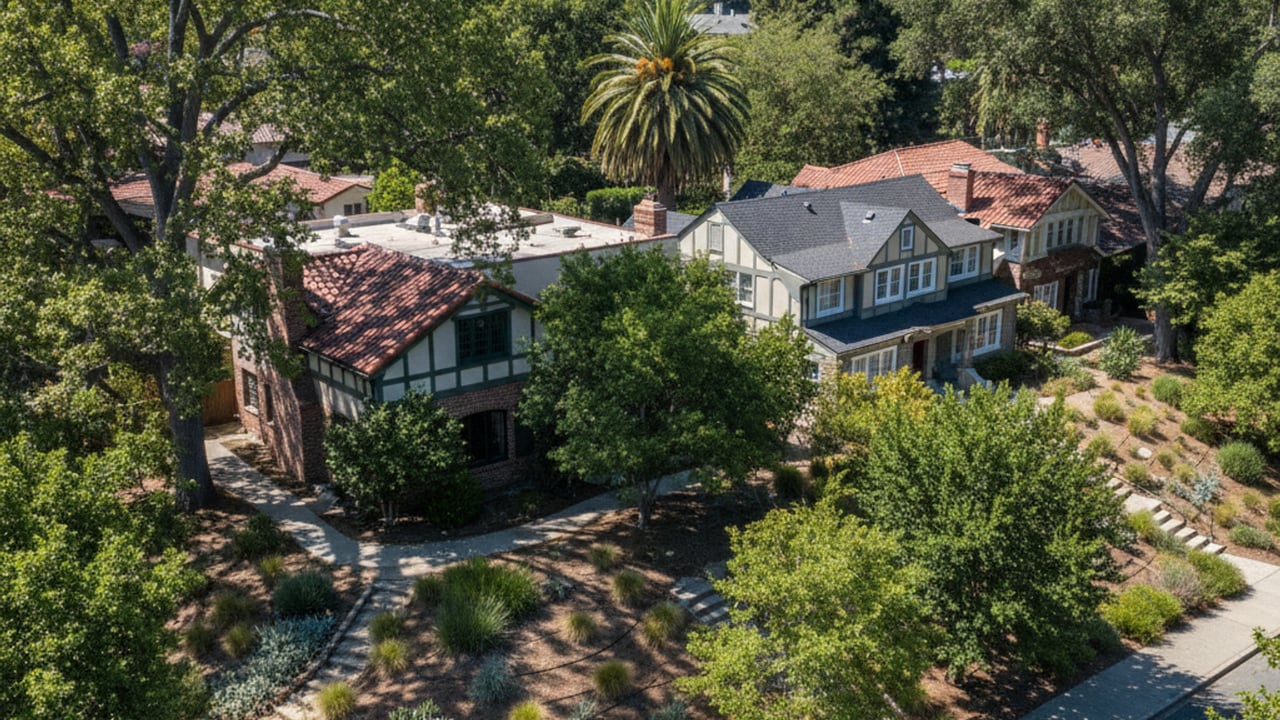
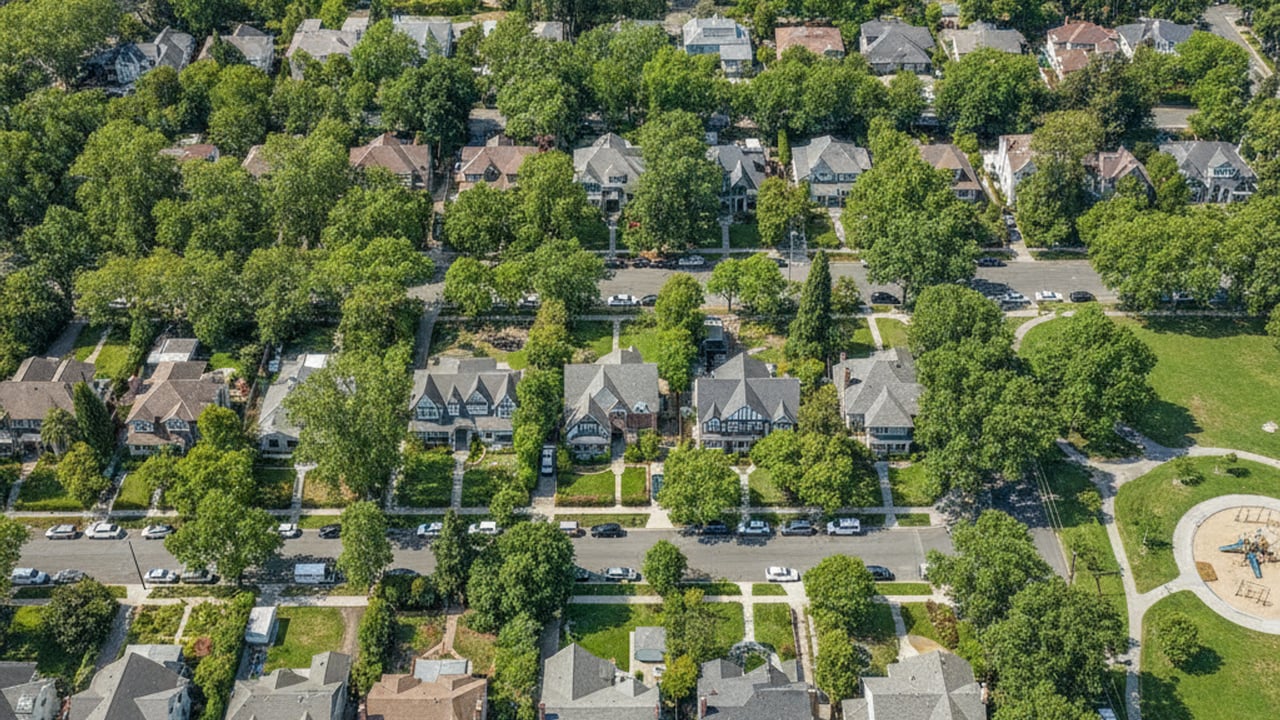
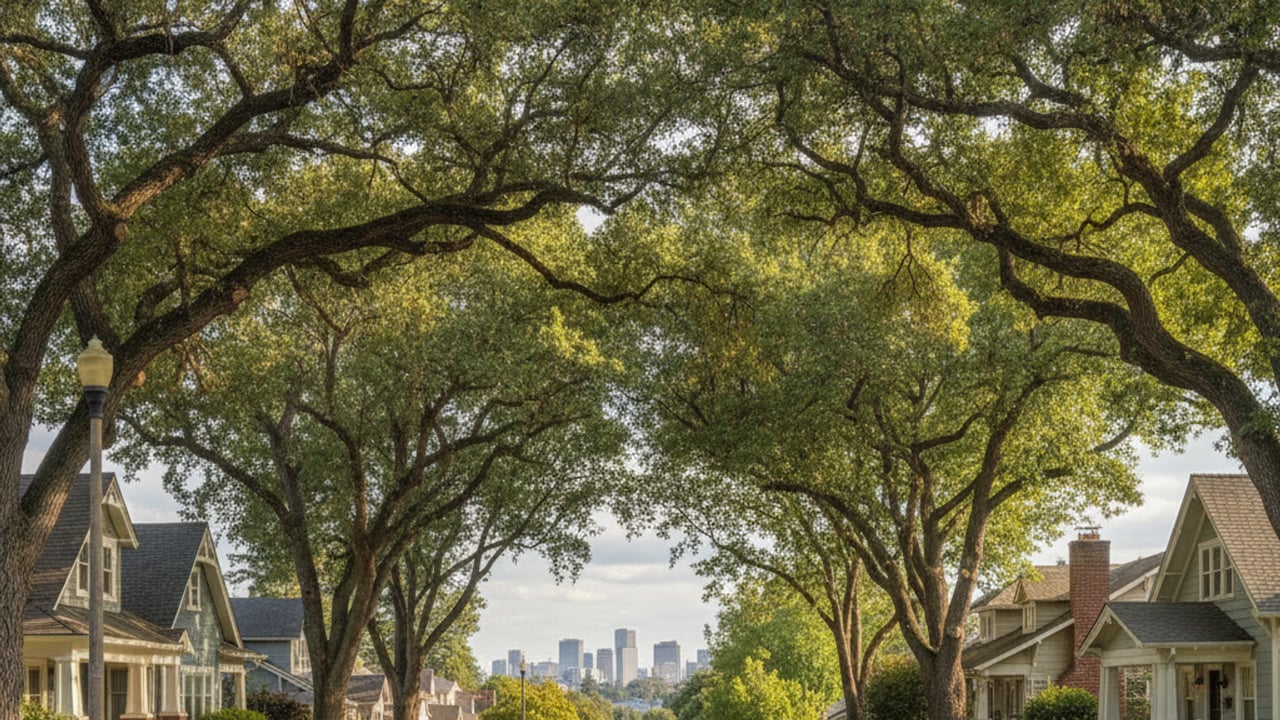
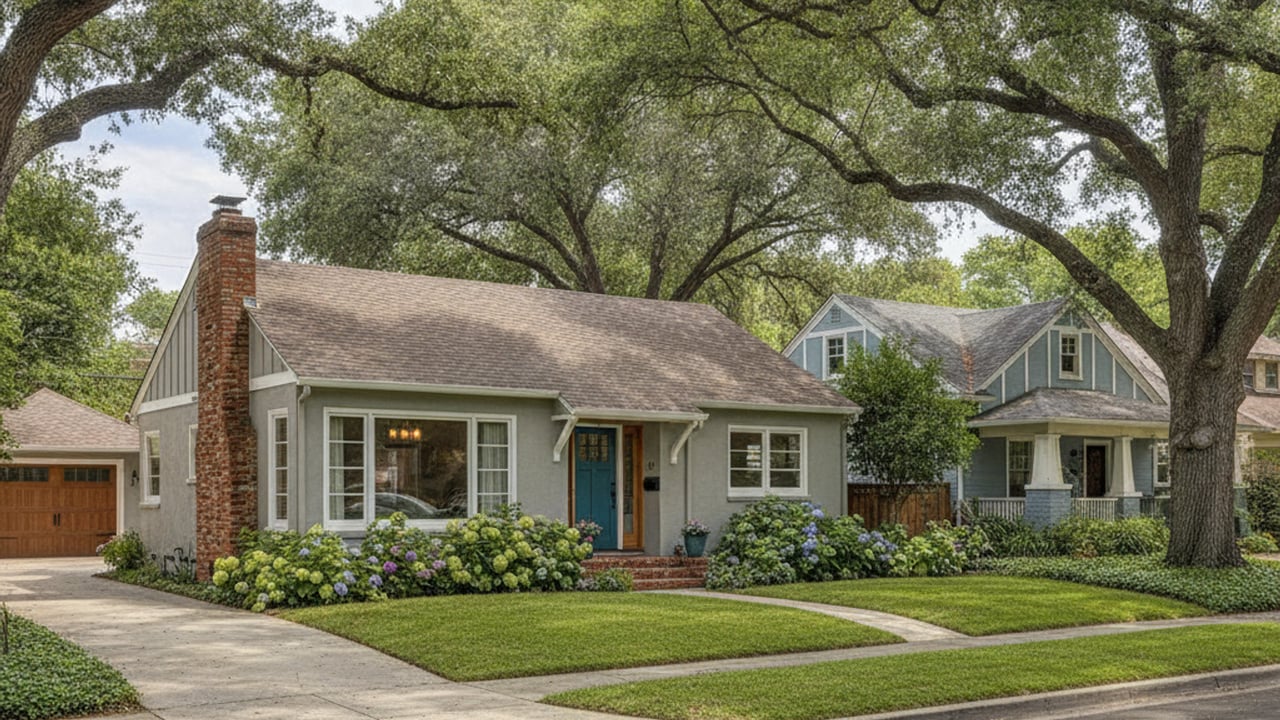
Peak summer temperatures in Sacramento frequently reach 90 to 95 degrees Fahrenheit during July and August. However, Land Park offers a distinct environmental advantage over other parts of the city due to its historic, densely planted tree canopy. These towering elms, oaks, and sycamores provide massive shade coverage that fundamentally alters the local microclimate.
Studies show that established urban tree canopies can reduce local ambient street temperatures by up to 10 degrees Fahrenheit. This natural cooling effect is a massive financial asset for homeowners, as it significantly reduces the strain on residential HVAC systems during the hottest parts of the day.
Houses situated beneath these old-growth canopies often experience noticeably lower indoor temperatures than fully exposed properties just a few miles away.
The heavy shade also protects exterior paint, roofing materials, and driveway surfaces from rapid UV degradation. Buyers should actively look for properties that benefit from mature street trees, as the long-term savings on cooling costs and exterior maintenance are substantial.
While the summers are undeniably hot, the winter months bring a sharp transition to cool, damp conditions. Average winter lows typically hover around 39 to 42 degrees Fahrenheit in December and January. Although freezing temperatures are relatively rare, the combination of cold air and concentrated rainfall requires proactive home maintenance.
The severe weather threat in this region primarily comes from heavy winter storms and high winds that sweep through the valley. Gutters must be meticulously cleared of fallen leaves by late November to prevent water from backing up under historic rooflines.
Yard drainage is another major factor, especially for older homes built on raised foundations that can be sensitive to moisture accumulation. Buyers must verify that the property grading directs water away from the structure to avoid costly crawlspace issues. A home that confidently sheds water during a January downpour is a home that will maintain its structural integrity for decades.
The predictable climate allows residents to maximize their use of the neighborhood's crown jewel, the 160-acre William Land Park. Because the winters are generally mild and lack snow, the park's extensive network of walking trails and jogging paths remains highly accessible 12 months a year. Outdoor recreation rarely has to pause, which drives consistent buyer demand in the immediate blocks surrounding the park.
The local weather patterns perfectly complement the specific facilities located within the park boundaries. The William Land Golf Course, a classic 9-hole layout, operates year-round thanks to the temperate winter conditions and excellent turf drainage.
Other major attractions, such as the Sacramento Zoo and Fairytale Town, benefit immensely from the same mature tree canopy that cools the residential streets. The dense shade keeps these outdoor venues comfortable for visitors even when the broader region is experiencing a heatwave.
Navigating the Sacramento climate efficiently requires a clear understanding of local electricity rates and strategic property upgrades. The Sacramento Municipal Utility District, or SMUD, utilizes a Time-of-Day pricing structure that directly impacts summer cooling bills. As of the 2026 rate schedules, the peak pricing window occurs between 5:00 PM and 8:00 PM, exactly when air conditioners are working their hardest.
During the inspection period, it is wise to request past utility statements to gauge how efficiently the home retains its conditioned air.
Beyond interior mechanicals, exterior upgrades play a massive role in climate adaptation. Cool roofs that reflect solar heat and drought-tolerant landscaping that requires minimal irrigation are highly valued in the current market. Investing in a smart thermostat to pre-cool the house before the 5:00 PM rate hike is the single most cost-effective upgrade a new Land Park homeowner can make.
December is typically the coldest month of the year in the Sacramento region. Average low temperatures drop to around 39 degrees Fahrenheit, while daytime highs generally peak near 54 degrees Fahrenheit. Homeowners should ensure their heating systems are fully serviced by late November to prepare for this sustained chill.
Sacramento features a classic hot-summer Mediterranean climate, officially classified as Köppen climate type Csa. This means the area is defined by long, very dry summers with high heat, contrasted by short, mild, and wet winters. The distinct lack of summer rainfall is the defining characteristic that shapes local agriculture and residential landscaping.
In the Sacramento valley, October is the primary transition month when the intense summer heat finally breaks. While September can still see temperatures in the 90s, October highs reliably drop into the upper 70s. The evening temperatures also begin to cool down significantly, providing natural relief for homes that have baked through the summer.
Stay up to date on the latest real estate trends.

Land Park CA
Land Park CA
Land Park CA
Land Park CA
Land Park CA
Land Park CA
Your real estate goals are within reach, and we’re here to be your guide. Whether you’re searching for your first home, looking to build your investment portfolio, or ready to maximize the sale of your property, MegaBliss Real Estate will provide the support, expertise, and dedication you need to reach your goals.
Get In Touch With Our Team To Learn More
1007 7th St Ste 400 Sacramento CA 95814 Melissa Allman | CA DRE# 01397300