Moving to Land Park CA: 2026 Relocation and Real Estate Guide
Land Park CA
Land Park CA
Sacramento features a wide variety of neighborhoods, but few carry the established reputation of Land Park. Located just south of the city center, this area is defined by its massive tree canopy and historic streetscapes. Buyers looking at moving to Land Park CA will find a highly competitive housing market anchored by significant green space.
Relocating to this part of the city requires an understanding of both property values and daily logistics. The 2026 housing inventory remains tight, making it essential to know exactly what you want before touring homes. This guide breaks down the current real estate data, local infrastructure, and commuting realities to help you evaluate the area objectively.
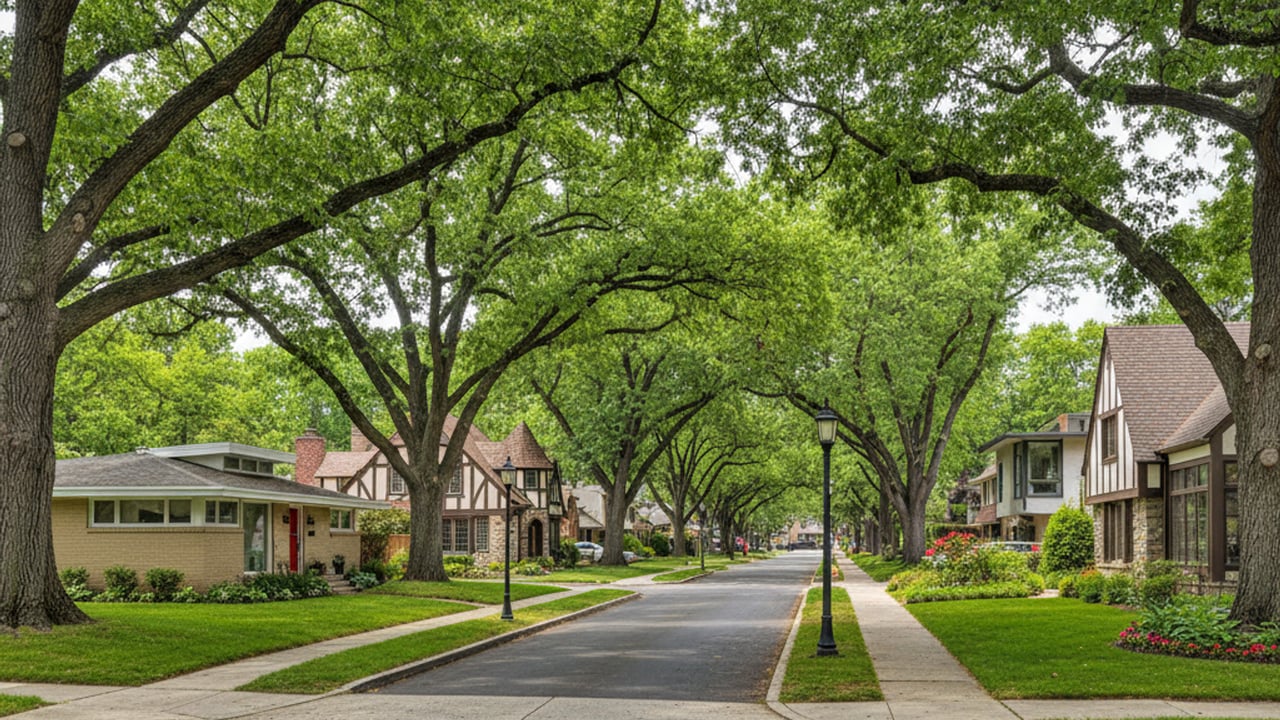
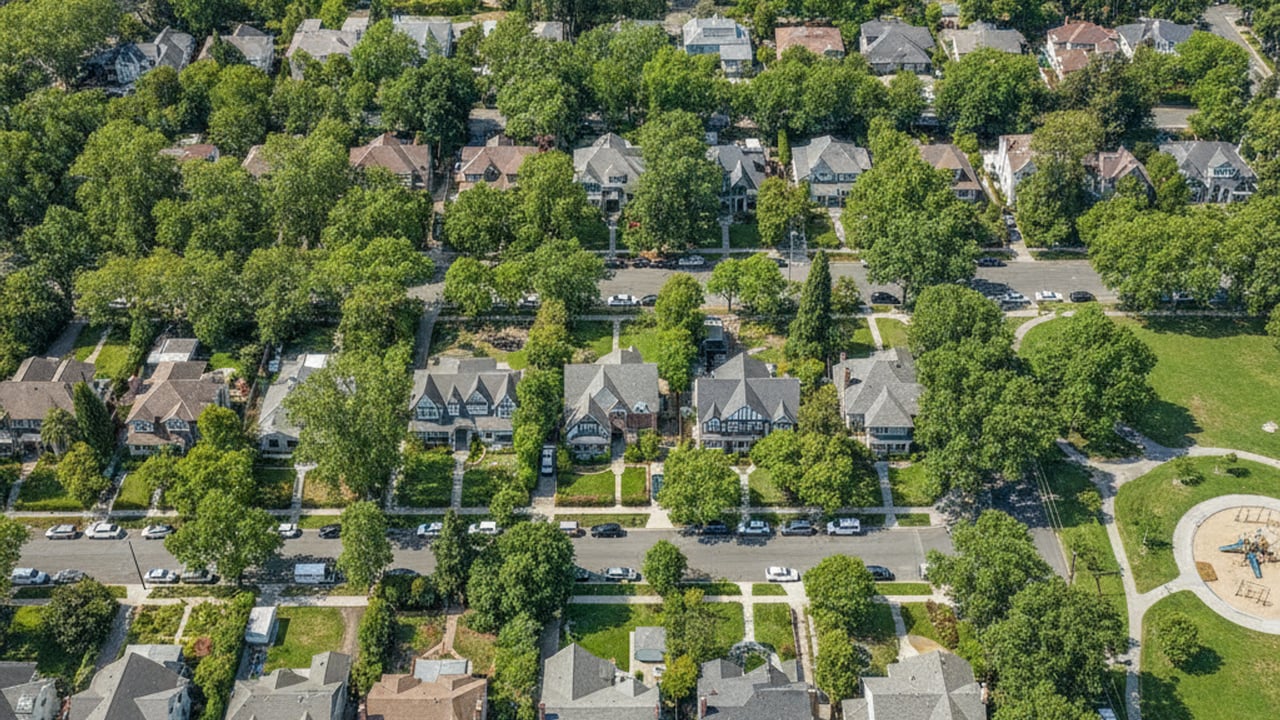
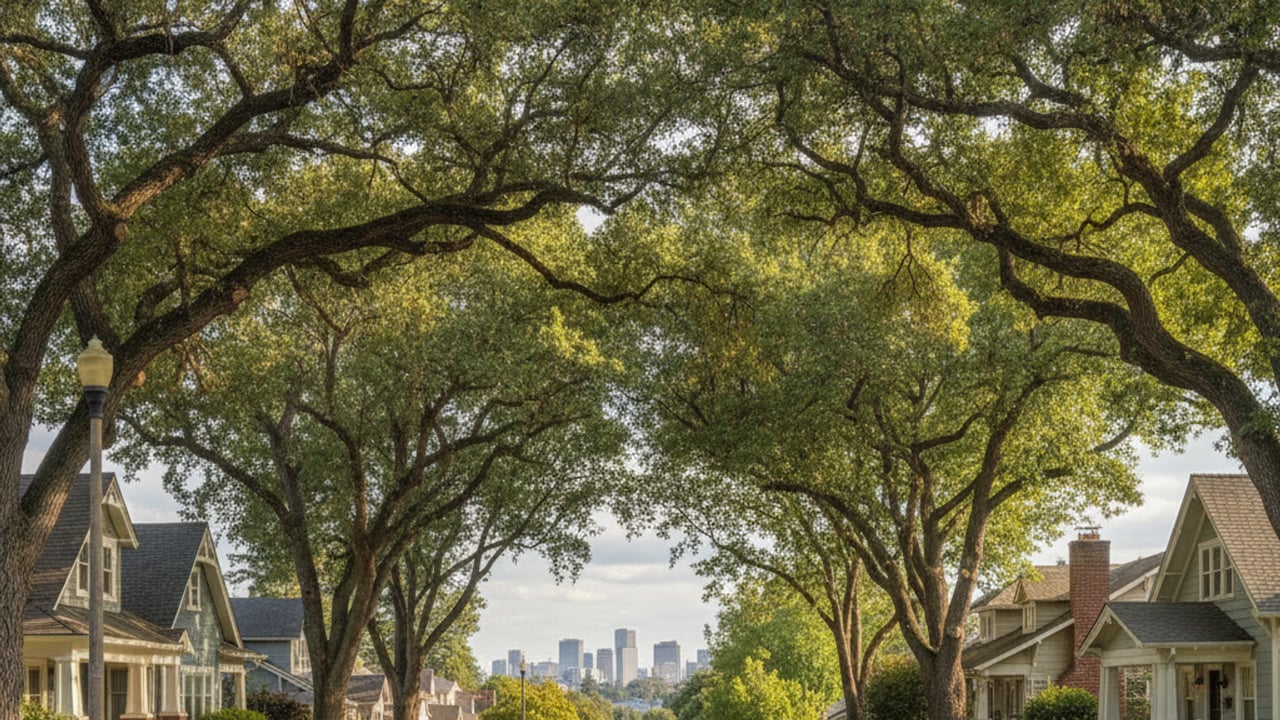
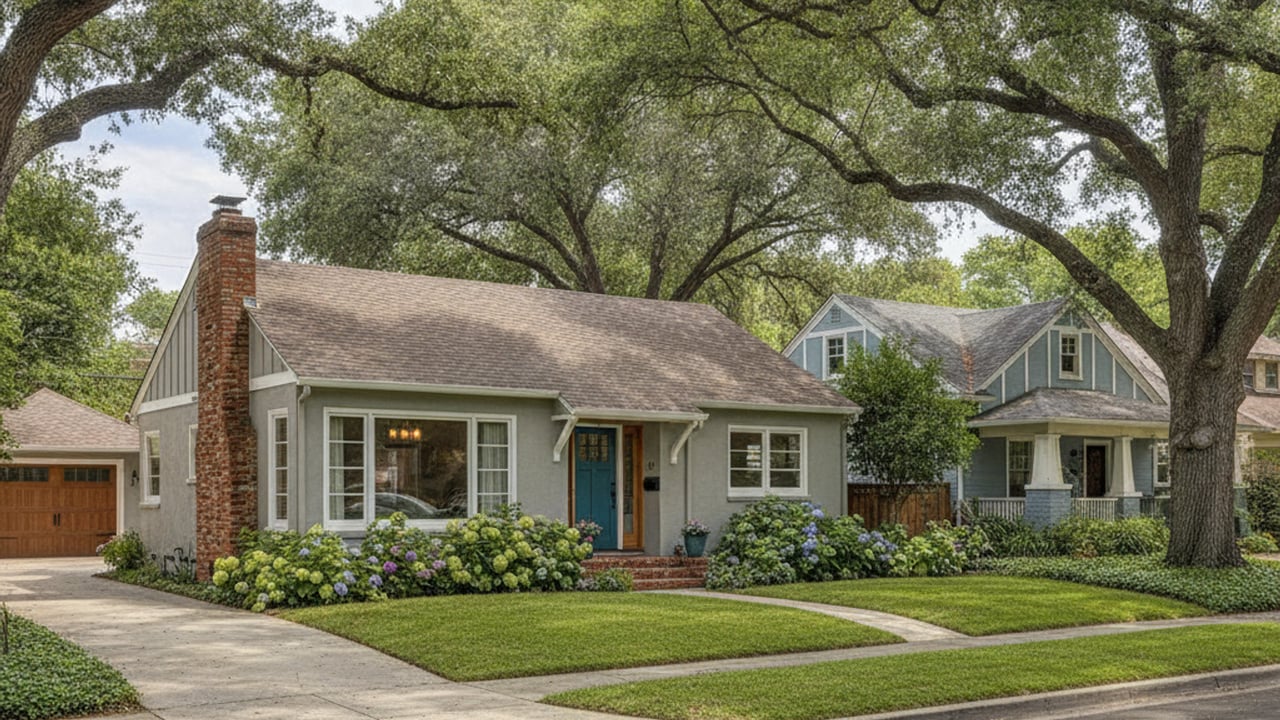
Land Park sits approximately two to three miles south of Downtown Sacramento, offering immediate access to the urban core without sitting directly inside it. The neighborhood takes its name from the 160-acre William Land Park, which functions as the geographic and recreational center of the community. Mature trees line the residential grids, creating a dense canopy that provides heavy shade during the hot summer months.
Understanding the local layout is crucial for anyone evaluating the 2026 local housing market. The neighborhood borders Interstate 5 to the west, providing a hard boundary that separates the residential streets from the Sacramento River. This specific location makes Land Park one of the most logistically convenient areas in the region for regional travel.
The logistical advantages of living in Land Park center heavily on its proximity to major employment hubs. A typical drive to Downtown Sacramento or the Capitol building takes roughly five to ten minutes, depending on morning traffic patterns. Residents also have immediate access points to both Interstate 5 and Highway 50 for longer regional commutes.
Public transportation provides a viable alternative to driving for daily commuters. The Sacramento Regional Transit light rail system services the area, offering direct routes into the downtown grid and surrounding districts. This connectivity is a major asset for buyers who prefer to leave their vehicles at home during the workweek.
The current state of the Land Park housing market is defined by high demand and consistently limited inventory. As of early 2026, the median sale price sits at approximately $785,000, reflecting the established nature of the neighborhood. Homes here move quickly, with average days on the market hovering around 29 days before going pending.
Buyers must be prepared to write competitive offers almost immediately after a property is listed. One significant financial advantage of purchasing here is the absence of monthly homeowner association dues. Standard single-family homes in the historic core carry zero HOA fees and lack the Mello-Roos taxes commonly found in newer suburban developments.
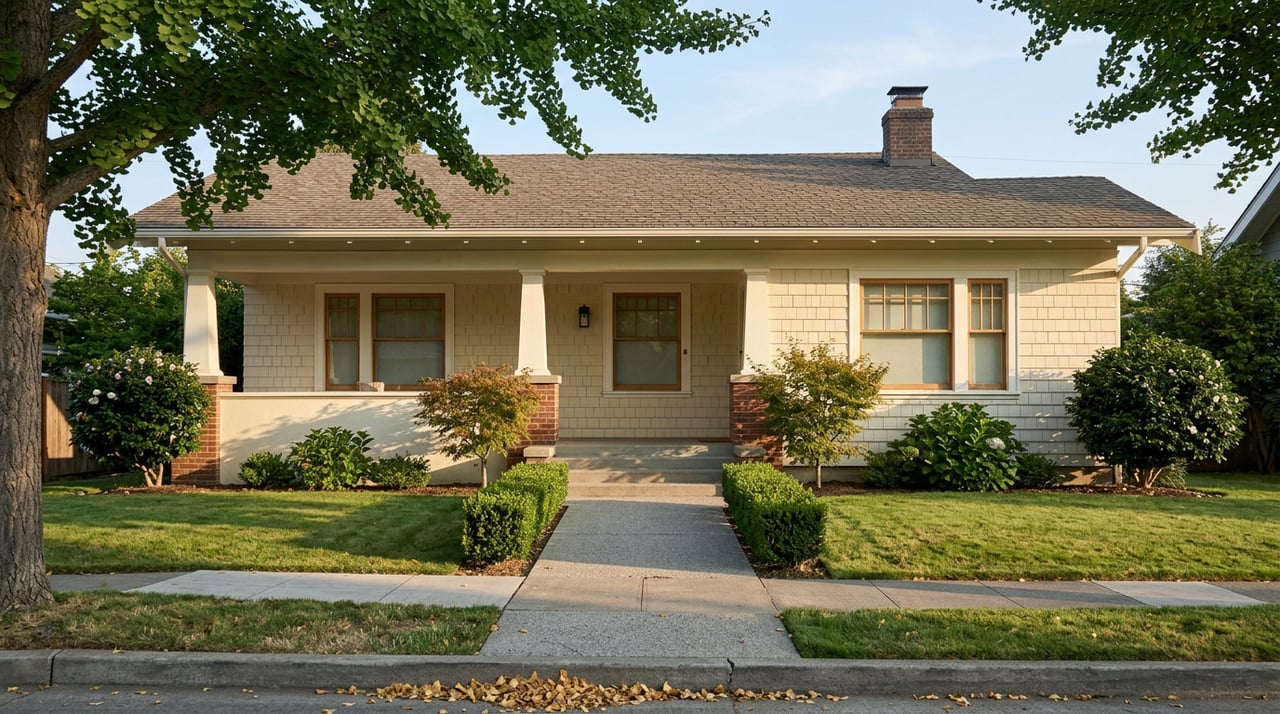
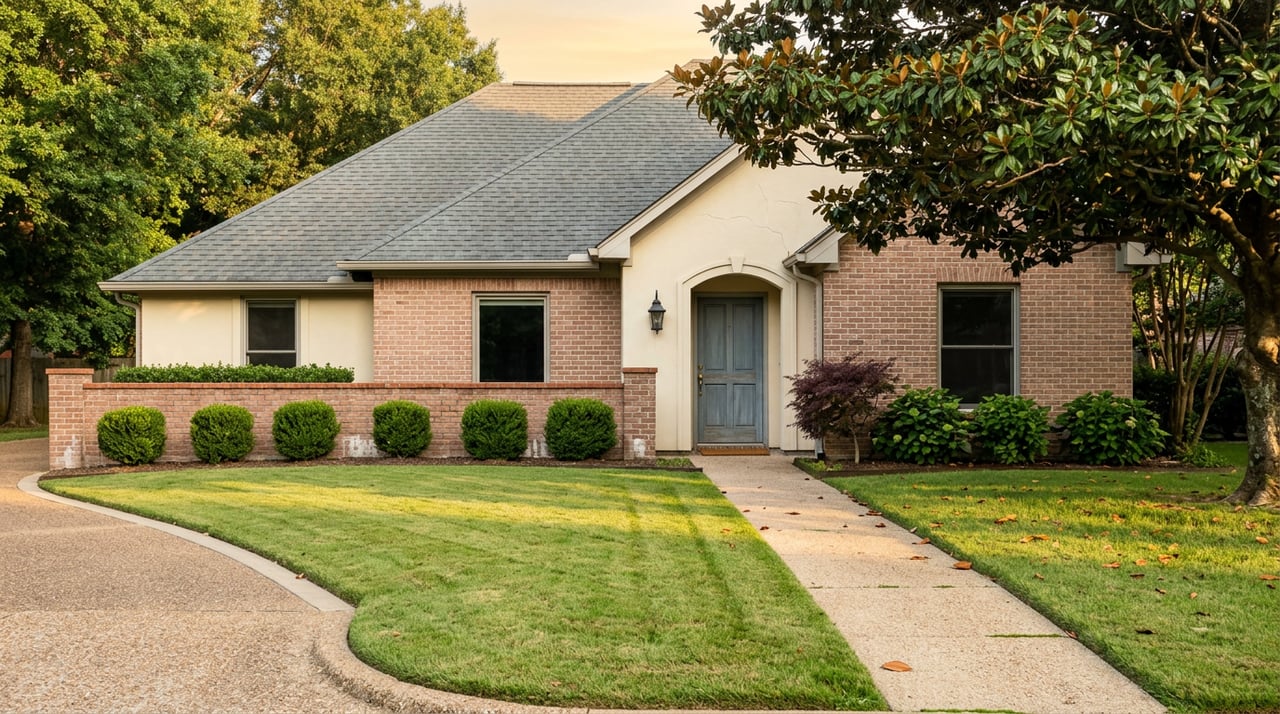
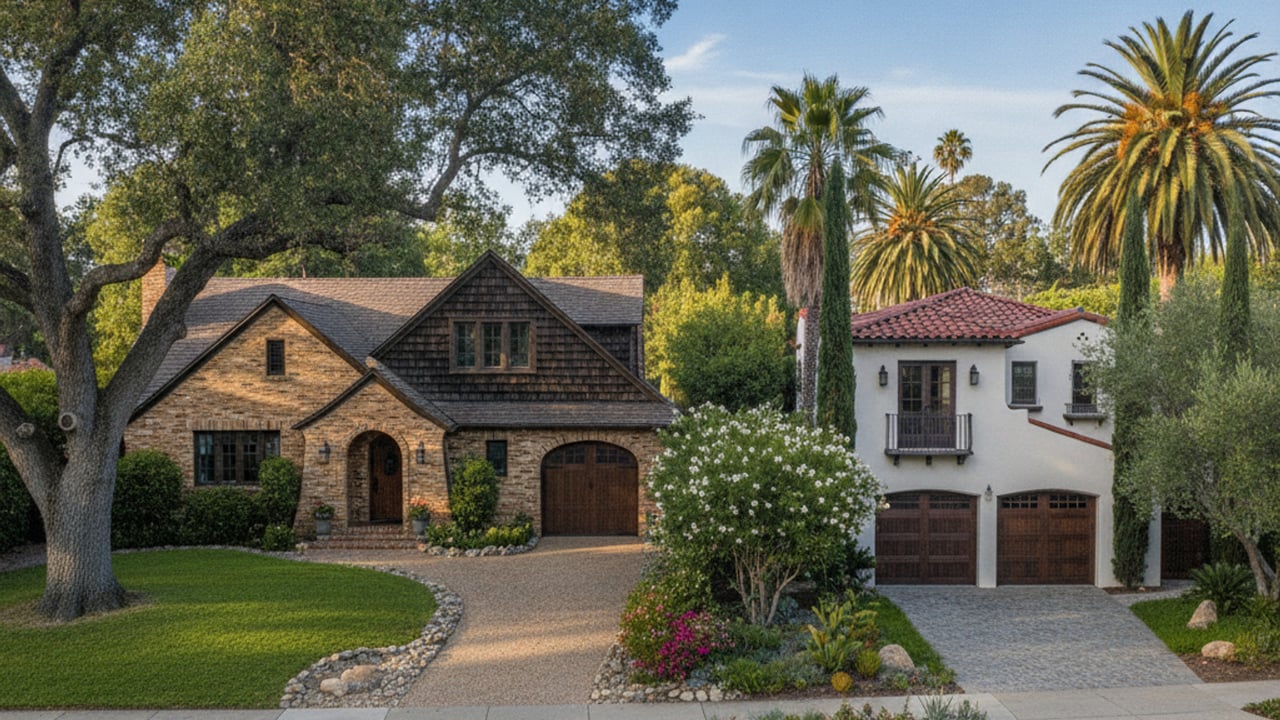
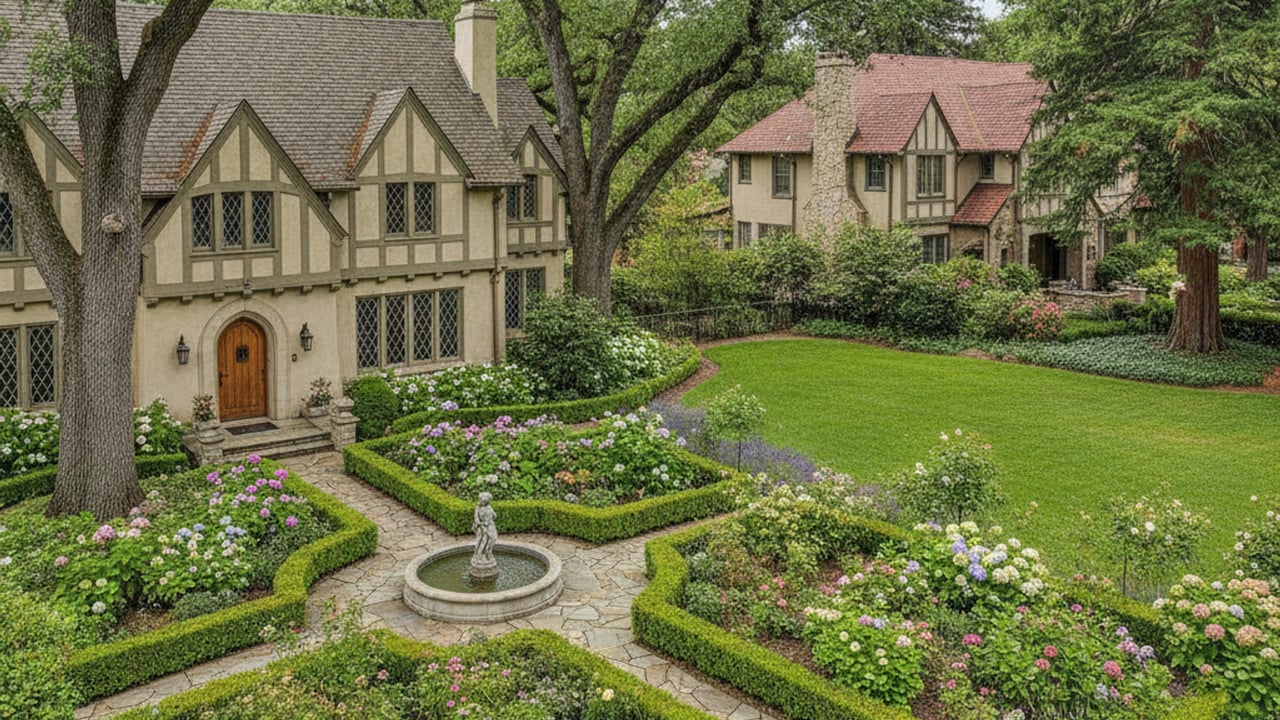
The visual character of the local residential streets is heavily influenced by construction from the 1920s and 1930s. The historic core features a distinct mix of classic designs that have been preserved and updated over the decades. Buyers touring the area will primarily encounter four distinct architectural styles:
Tudor: Characterized by steeply pitched roofs, decorative half-timbering, and prominent brick detailing.
Storybook: Unique designs from the 1920s featuring asymmetrical facades, rolled eaves, and elaborate stonework.
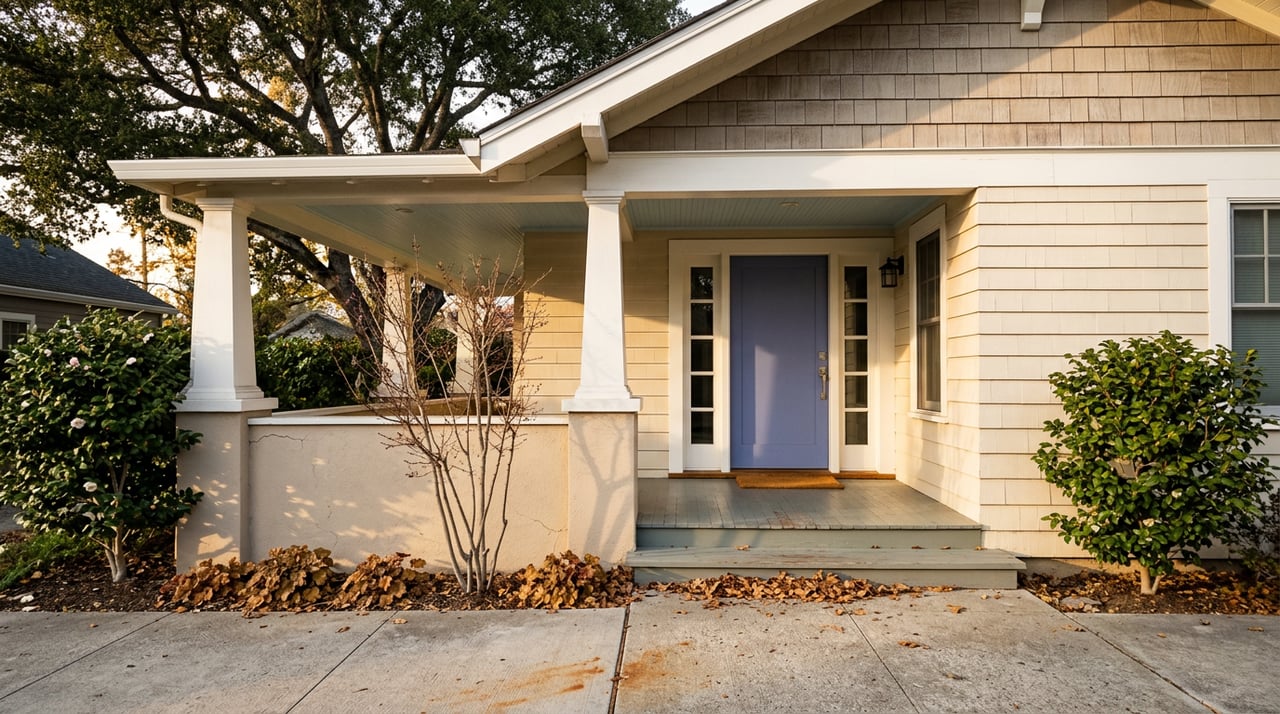
Craftsman: Known for low-pitched gable roofs, wide front porches, and exposed exterior rafters.
Mid-Century Modern: Found primarily in the College Tract area, offering clean lines, flat planes, and large windows.
These historic homes often feature original hardwood floors and built-in cabinetry, though many have undergone extensive interior renovations. Upgraded utility systems and modernized kitchens are common, allowing buyers to secure historic charm without sacrificing contemporary function.
The 160-acre William Land Park serves as the primary outdoor hub for the surrounding residential streets. The grounds feature extensive public walking trails, massive shade trees, and numerous picnic areas used heavily during the weekends. This immense green space acts as the primary recreational anchor, meaning residents rarely need to leave the neighborhood for outdoor activities.
Beyond open green space, the park houses several established recreational facilities. The William Land Golf Course, dating back to 1924, operates as a public 9-hole executive course right in the middle of the neighborhood. Fairytale Town also occupies a portion of the park, offering an interactive play space featuring children's storybook sets and small animals.
The Sacramento Zoo remains a major fixture within the park boundaries following the decision to abandon relocation plans to Elk Grove. The facility is currently pursuing a 5.8-acre expansion, which is under review by the Sacramento City Council. This proposed change represents a roughly 40 percent increase in the zoo's overall footprint.
The expansion plans involve utilizing the former pony ride area to create significantly larger habitats for species like lions and giraffes. The Land Park Community Association is actively involved in the planning process to manage future parking and foot traffic impacts. This ongoing dialogue ensures the surrounding streets can accommodate the updated facility infrastructure.
Daily life in Land Park is supported by a robust commercial infrastructure that makes running errands highly efficient. Freeport Boulevard acts as the main commercial spine, hosting grocery stores, vet clinics, and various retail services. Residents do not need to leave the immediate area to access basic necessities or professional services.
The local dining scene features a mix of established institutions and newer eclectic eateries. Freeport Bakery is a well-known neighborhood staple, operating alongside several independent coffeehouses and sandwich shops. Public education is managed by the Sacramento City Unified School District, which zones the local residential tracts to nearby campuses.
The current median home price in Land Park is approximately $785,000 as of early 2026. This figure reflects the high demand for historic properties located close to the city center. Prices can fluctuate based on exact square footage and the level of modern interior renovation.
Most single-family homes in the historic core of Land Park do not have homeowner association fees. Buyers also benefit from the absence of Mello-Roos taxes, which are common in newer subdivisions. This lack of additional monthly overhead provides a significant financial advantage.
Land Park is located approximately two to three miles south of Downtown Sacramento. A standard drive takes about five to ten minutes, depending on the time of day and traffic conditions. Residents can also use the local light rail stations for a direct public transit route into the city grid.
The neighborhood is zoned under the Sacramento City Unified School District. This district manages the public educational infrastructure for the area, directing students to specific campuses based on their exact residential address. Buyers should verify their specific tract boundaries with the district when evaluating a property.
Stay up to date on the latest real estate trends.

Land Park CA
Land Park CA
Land Park CA
Land Park CA
Land Park CA
Land Park CA
Your real estate goals are within reach, and we’re here to be your guide. Whether you’re searching for your first home, looking to build your investment portfolio, or ready to maximize the sale of your property, MegaBliss Real Estate will provide the support, expertise, and dedication you need to reach your goals.
Get In Touch With Our Team To Learn More
1007 7th St Ste 400 Sacramento CA 95814 Melissa Allman | CA DRE# 01397300