Comparing land park vs natomas ca: A Sacramento Buyer's Guide for 2026
Land Park CA
Sacramento offers a diverse range of neighborhoods for buyers navigating the 2026 real estate market. Two of the most frequently debated locations are Land Park and Natomas, both of which offer completely different housing styles and daily routines. Buyers often find themselves weighing the historic charm of the city's central grid against the modern conveniences of master-planned subdivisions.
Making the right choice between these two areas depends heavily on your budget, commute requirements, and architectural preferences. While one neighborhood features century-old trees and classic estates, the other delivers contemporary floor plans and immediate freeway access. Understanding the structural and financial differences between these communities will help you make a confident investment in the Sacramento, CA market.
The Sacramento metropolitan area has expanded significantly over the decades, creating distinct zones of development. Land Park represents the city's early 20th-century expansion, built out when urban planning favored grid layouts and close proximity to the downtown core. In contrast, Natomas reflects a more recent wave of suburban growth that accelerated rapidly in the late 1990s and 2000s.
These different eras of construction mean buyers are looking at two entirely different aesthetic experiences. Established urban neighborhoods carry a sense of permanence with their varied custom homes, while newer suburban developments prioritize cohesive design and modern infrastructure. The clear takeaway here is that your preference for either vintage character or turnkey modernity will immediately dictate which of these two areas suits your goals.
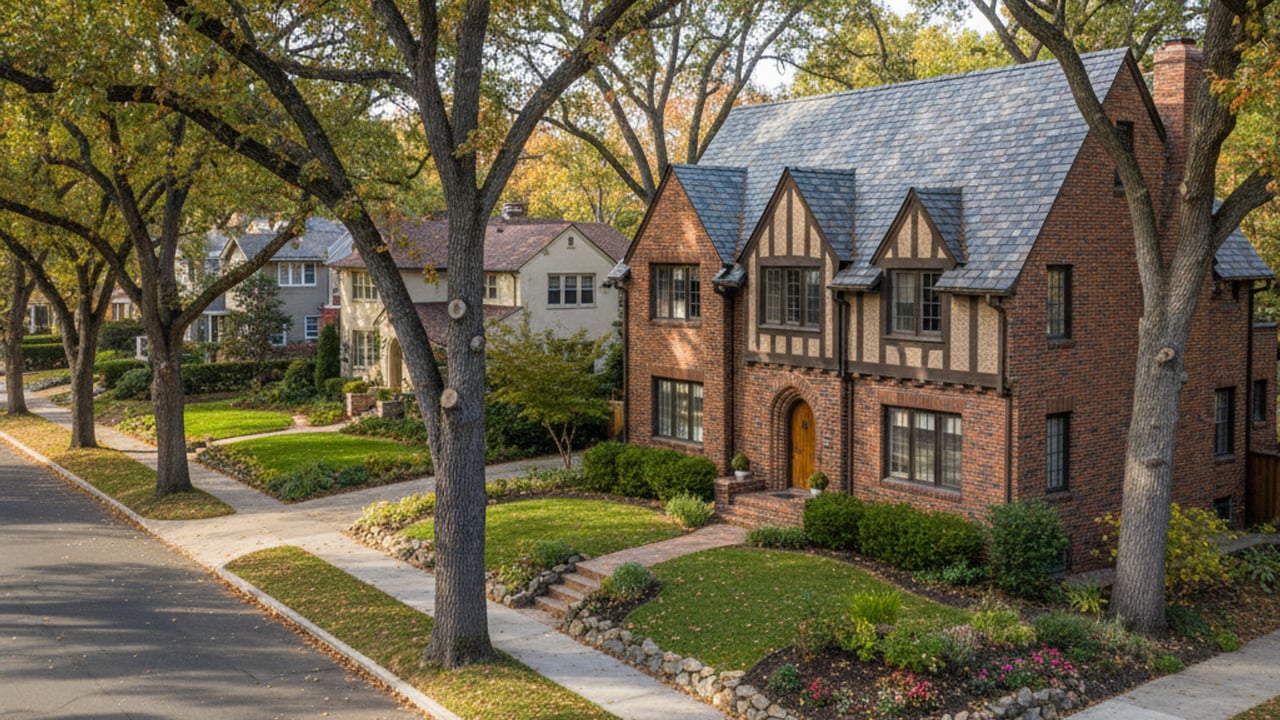
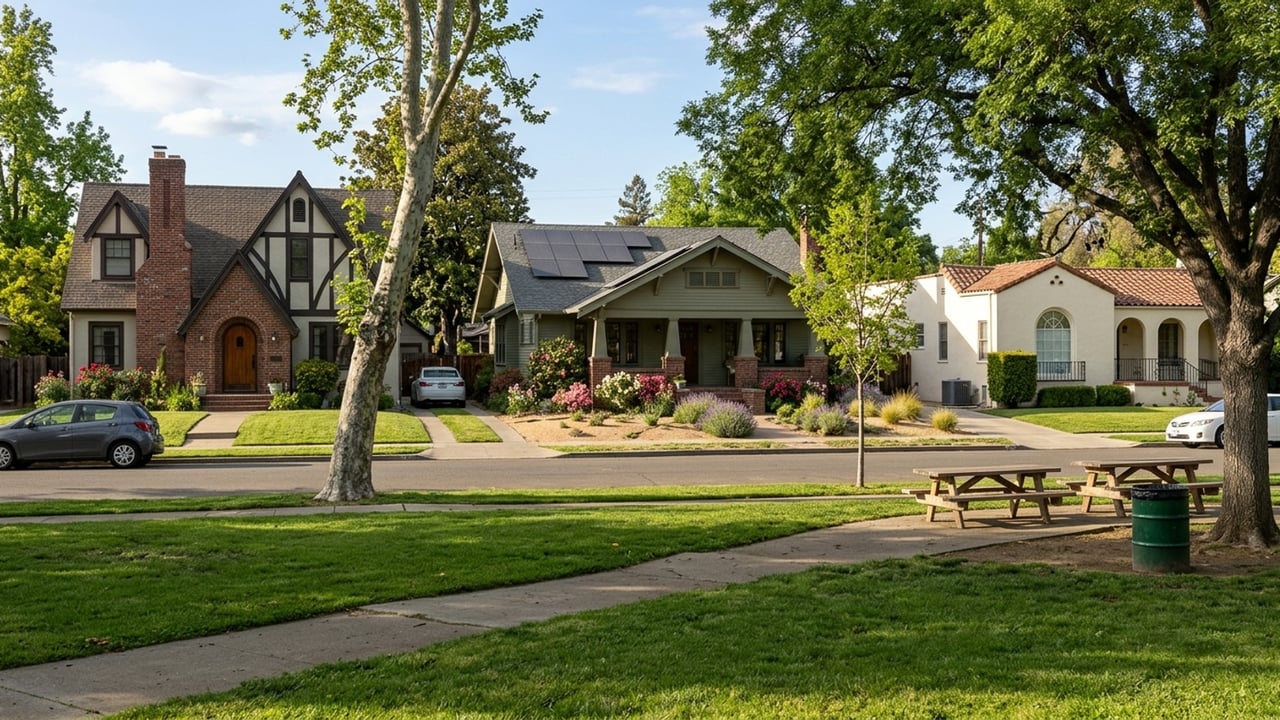
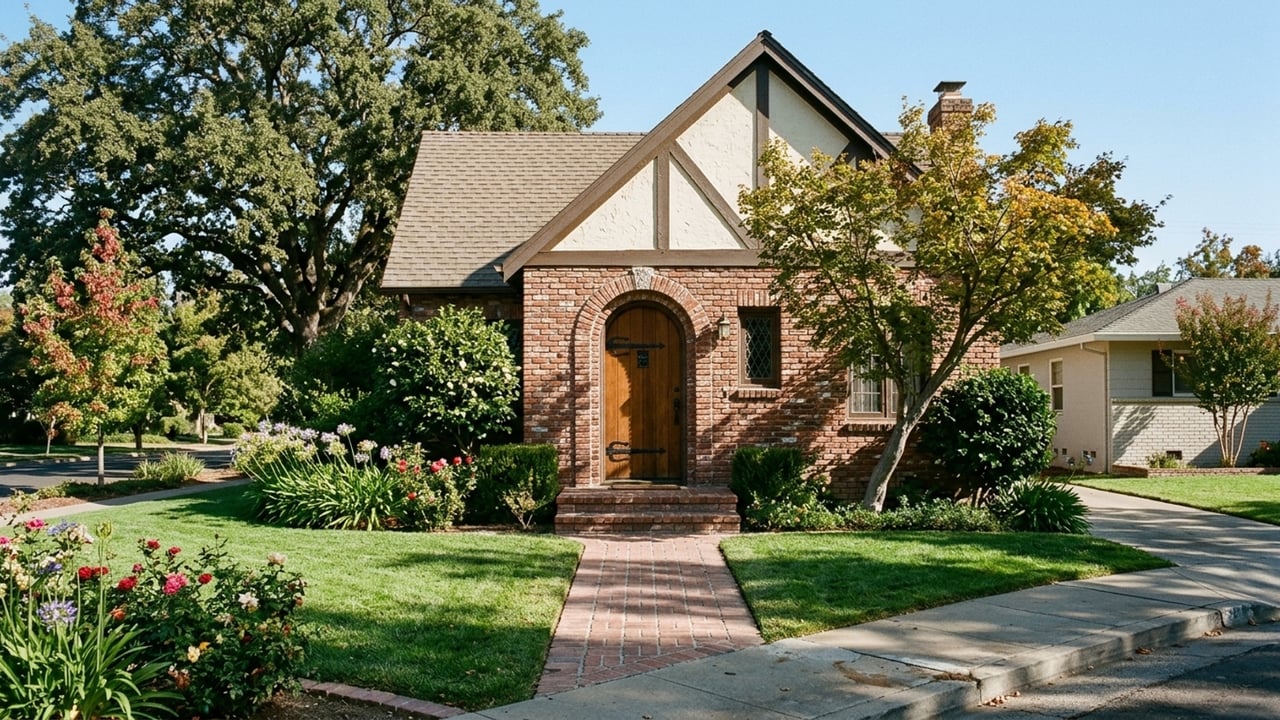
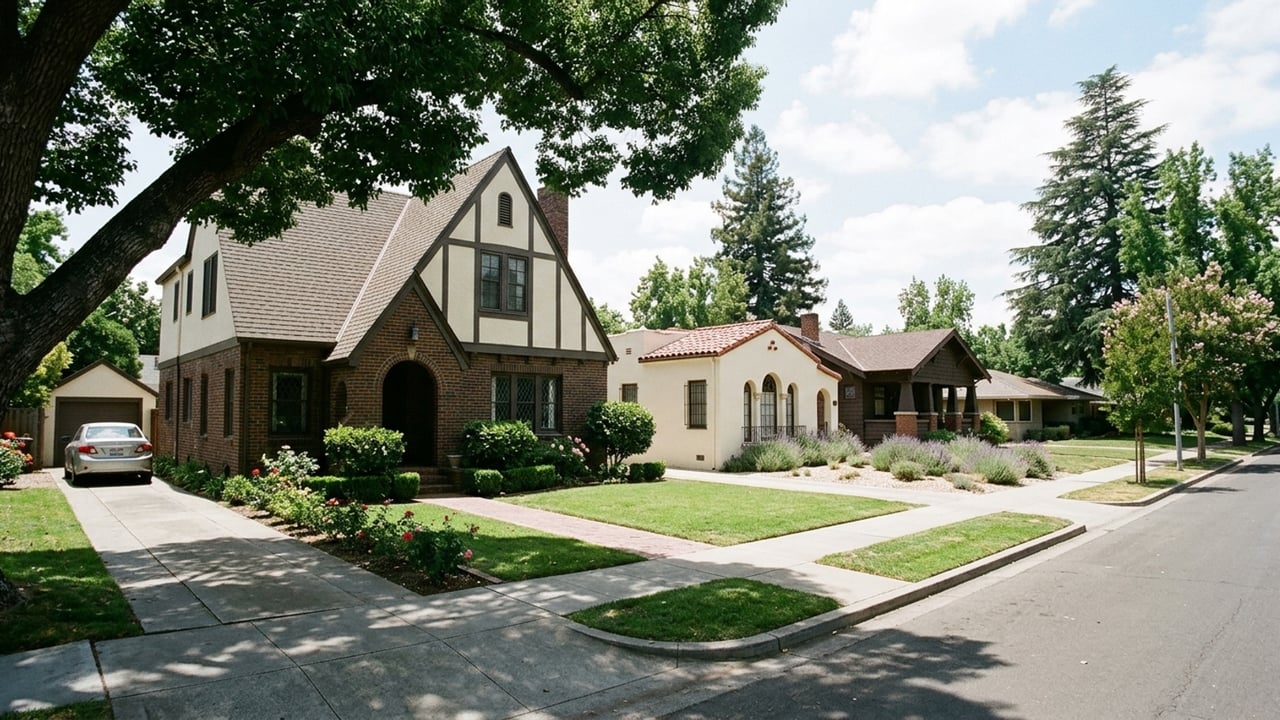
Properties in Land Park are defined by their classic, pre-1950s architectural styles. Buyers will find a mix of older single-family homes, including brick Tudor Revivals, Spanish Eclectic designs, and charming Craftsman bungalows. The absence of large-scale new construction in this historic core preserves the unique, varied streetscapes.
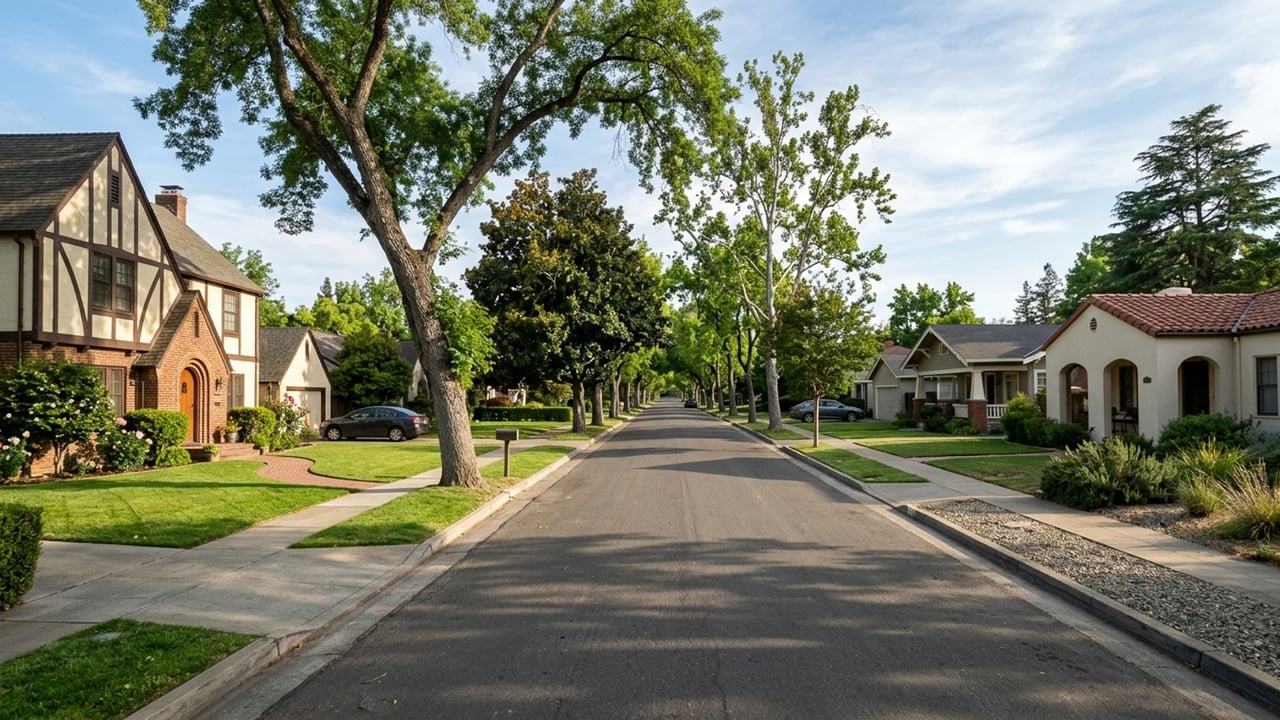
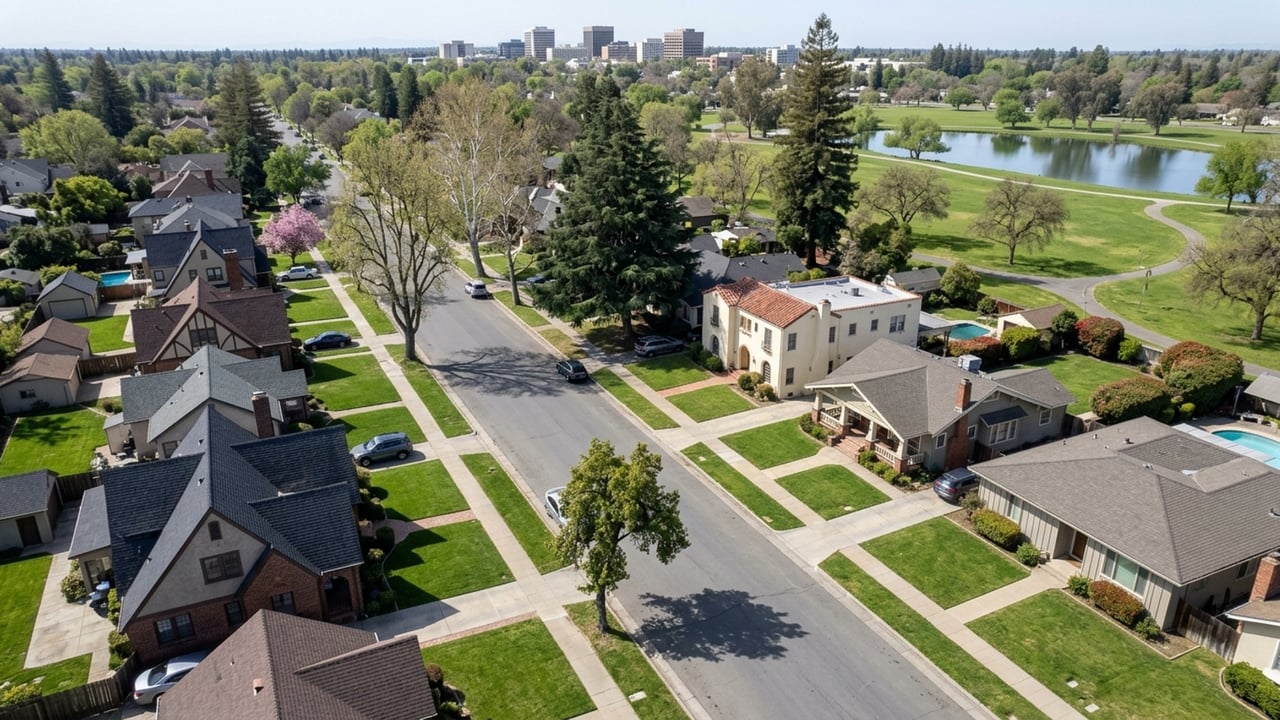
The physical layout of the neighborhood further enhances its historic appeal. Mature, tree-lined streets form an established grid that connects seamlessly to the rest of central Sacramento. These extensive tree canopies not only provide dense shade during the summer but also define the visual character of the entire area.
Natomas offers a stark contrast with its focus on newer property types and planned community layouts. The area is dominated by post-1990s single-family subdivisions and contemporary condominium complexes. Modern building amenities, energy-efficient designs, and updated underground infrastructure are standard features throughout these tracts.
The subdivision characteristics vary slightly depending on whether you are looking in North Natomas or South Natomas. North Natomas generally features the newest builds with wider, curving suburban streets and integrated community centers. Both sections, however, prioritize a structured suburban layout over the traditional urban grid found closer to the city center.
Entering the spring 2026 market, baseline pricing in Sacramento varies widely based on property age and location. Historic neighborhoods near the city center carry a significant price premium due to high demand and finite inventory. Newer suburban zones tend to offer more accessible entry-level pricing, though buyers must account for additional carrying costs.
Beyond the sticker price, the financial implications of HOA fees and special tax assessments play a major role in monthly affordability. Older grid neighborhoods rarely have these extra monthly fees, while newer developments almost always include them to fund community infrastructure. For buyers in 2026, Natomas clearly offers better entry-level pricing, whereas Land Park requires a larger budget for premium historic valuations.
As of mid-2026, median home values in Land Park reflect the area's historic premium and limited supply. Buyers can expect median prices to hover around $740,000 to $850,000, with fully renovated estates easily exceeding the $1,000,000 mark. These higher purchase prices secure a location with enduring historical value.
Fortunately for buyers, the carrying costs in this neighborhood are highly predictable. Most homes carry zero to very low HOA fees, and the area generally avoids Mello-Roos taxes. Owners typically only pay the standard base California property tax rate, which sits around 1.1% to 1.25% of the assessed value.
Housing inventory in Natomas provides a more accessible entry point into the Sacramento market. Current median property prices for homes and condos range from approximately $580,000 to $620,000. This pricing structure allows buyers to secure larger, newer floor plans for less upfront capital than in the historic core.
However, buyers must factor in the prevalence of HOA fees associated with these newer planned communities. Additionally, many Natomas properties are subject to Mello-Roos or Community Facilities District assessments. These extra monthly and annual tax burdens fund local schools and parks, but they do increase the overall carrying cost of the home.
Transportation infrastructure is a critical factor for anyone evaluating the Sacramento metropolitan area. Both neighborhoods offer distinct advantages depending on where you work and how frequently you travel out of the city. General proximity to major employment centers in Downtown Sacramento remains a strong selling point for both locations.
Daily driving times and access to regional transit systems differ noticeably between the urban grid and the suburban perimeter. Evaluating freeway access points and surface street connectivity will help determine your daily routine. The takeaway is that while both areas are technically close to the city center, the nature of the commute - surface streets versus freeways - is completely different.
Commuting from Land Park to Downtown Sacramento is a short, direct drive that typically takes just 10 to 15 minutes. The surface street connectivity allows drivers to easily navigate into the urban core without ever needing to merge onto a major highway. For those who prefer public transit, the Sacramento Regional Transit light rail offers convenient stations nearby.
Regional travel is also straightforward from this central location. Drivers heading northbound to Sacramento International Airport can easily access I-5 from the edge of the neighborhood. This drive generally takes about 20 to 25 minutes depending on daytime traffic patterns.
Natomas provides a highly freeway-centric commute that caters well to regional travelers. The neighborhood boasts immediate access to both I-5 and I-80, making it incredibly easy to connect to other parts of Northern California. During peak hours, the drive into the Downtown grid usually takes about 10 to 15 minutes via I-5.
The most significant transportation advantage of this area is its exceptionally close proximity to the airport. Residents enjoy a quick 10 to 15-minute drive to Sacramento International Airport. This makes the neighborhood a highly practical choice for frequent flyers and business travelers.
Green spaces and community centers are essential features that elevate the quality of life in any location. The Sacramento region offers high recreational density, but the style of these amenities varies drastically by zip code. Buyers must choose between mature, historic parkland and modern, purpose-built recreational facilities.
Beyond outdoor spaces, proximity to local retail plazas, restaurants, and entertainment venues shapes the daily convenience of a neighborhood. Both areas provide excellent access to dining and shopping, along with a dense network of outdoor recreational infrastructure like bike trails. Ultimately, your preference for long-standing cultural institutions versus convenient big-box retail will guide your decision.
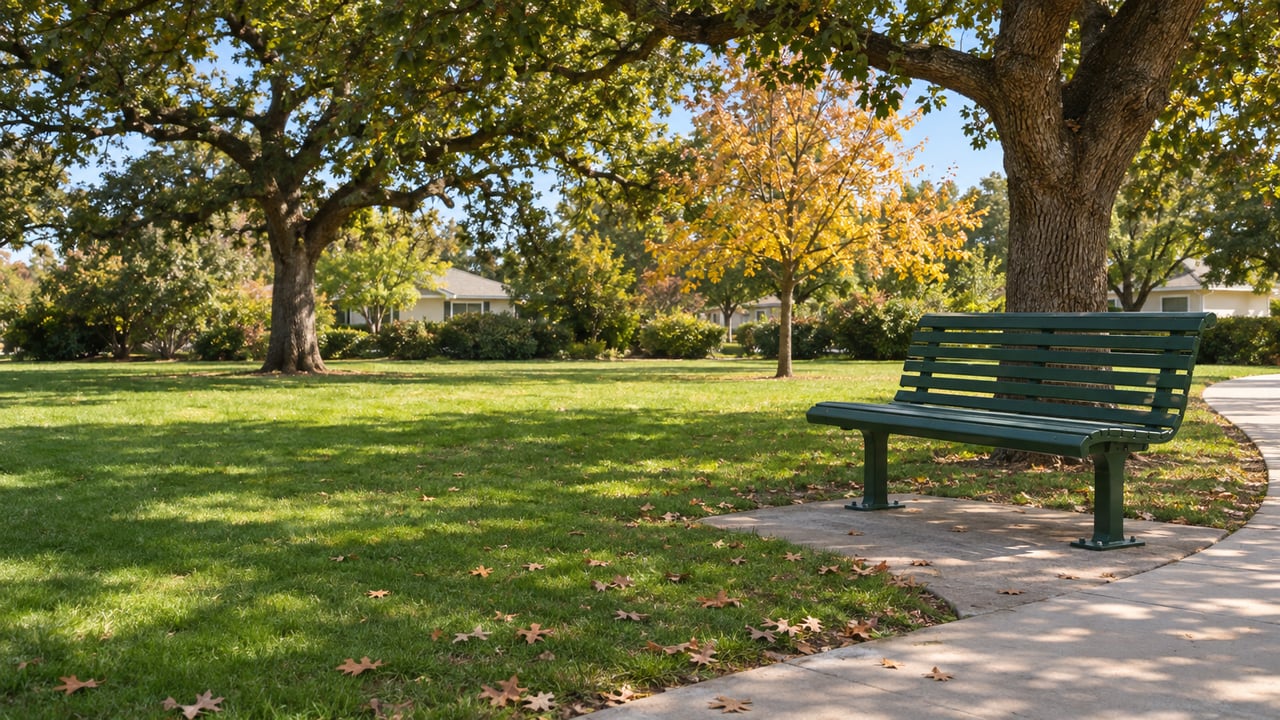
The Land Park neighborhood is anchored by its namesake park, which serves as a massive urban oasis. Residents enjoy excellent pedestrian access to these long-standing cultural institutions directly from the residential grid.
These amenities provide a classic, established recreational experience that is hard to replicate in newer developments. The seamless blend of residential streets and historic parkland remains one of the area's strongest selling points.
In contrast, Natomas focuses on modern, master-planned amenities that cater to a suburban lifestyle. The infrastructure here is newer, with commercial centers specifically designed for high-volume convenience.
The newer nature of these amenities means they are built to accommodate modern suburban traffic and usage patterns. Everything from grocery shopping to weekend recreation is consolidated into easily accessible, planned zones.
Evaluating the specific school districts and educational frameworks is a standard step for buyers researching Sacramento real estate. The difference in zoning and district management between these two areas is distinct and easy to navigate. Buyers looking up school performance metrics will need to search under two entirely different administrative bodies.
The age of the neighborhoods directly reflects the age and architectural style of the school facilities within them. Historic areas feature mid-century or older campus designs integrated into city blocks. Conversely, suburban zones feature newer campuses built concurrently with the surrounding housing tracts, offering a clear contrast in educational infrastructure.
The Sacramento City Unified School District serves as the governing body for the Land Park area. This district manages a network of established, historic neighborhood elementary and high schools that have operated for decades.
A major benefit of this older grid layout is the exceptional walkability to local campuses. Many residents live within a short distance of these schools, making pedestrian access a regular part of the daily routine.
Communities in the northern and southern suburban sectors fall under the jurisdiction of the Natomas Unified School District. This governing body oversees a portfolio of much newer school facilities that were built alongside the master-planned communities.
These modern schools are deeply integrated into the broader suburban neighborhood designs. They often sit adjacent to large community parks and are connected by extensive networks of paved walking trails.
Yes, it is generally considered one of the more expensive and premium historic neighborhoods in the city. Median home prices typically range from $740,000 to $850,000, which sits noticeably higher than the broader Sacramento average. This premium pricing reflects the finite supply of historic architecture and the highly desirable central location.
They offer completely opposite living experiences within the same metropolitan area. Land Park provides a historic, urban grid layout with mature trees and vintage architecture. Natomas delivers a modern, master-planned suburban environment with newer construction and immediate freeway access.
Natomas generally offers a lower baseline cost for housing, with median prices around $580,000 to $620,000. However, buyers in Natomas must account for additional monthly HOA fees and Mello-Roos taxes that are rarely found in older areas. Land Park requires a higher initial purchase price but typically features lower, more predictable long-term carrying costs.
New construction is extremely rare in this historic neighborhood due to the lack of undeveloped land. Buyers might occasionally find a fully rebuilt property or a custom infill project, but large-scale new subdivisions do not exist here. Those seeking brand-new, modern builds will find abundant options in the Natomas area instead.
Stay up to date on the latest real estate trends.

Land Park CA
With over 158 closed transactions and a focus on straightforward guidance, Melissa Allman stands out as the best real estate agent in Land Park, Sacramento, CA, helpin… Read more

If you're thinking about selling your Sacramento home this year, there's one line item that deserves more attention than it usually gets: the transfer tax.
Land Park CA
Land Park is heading into 2027 in a holding pattern. Buyers and sellers are both waiting to see which way property values and mortgage rates break, and neither side is… Read more
Land Park CA
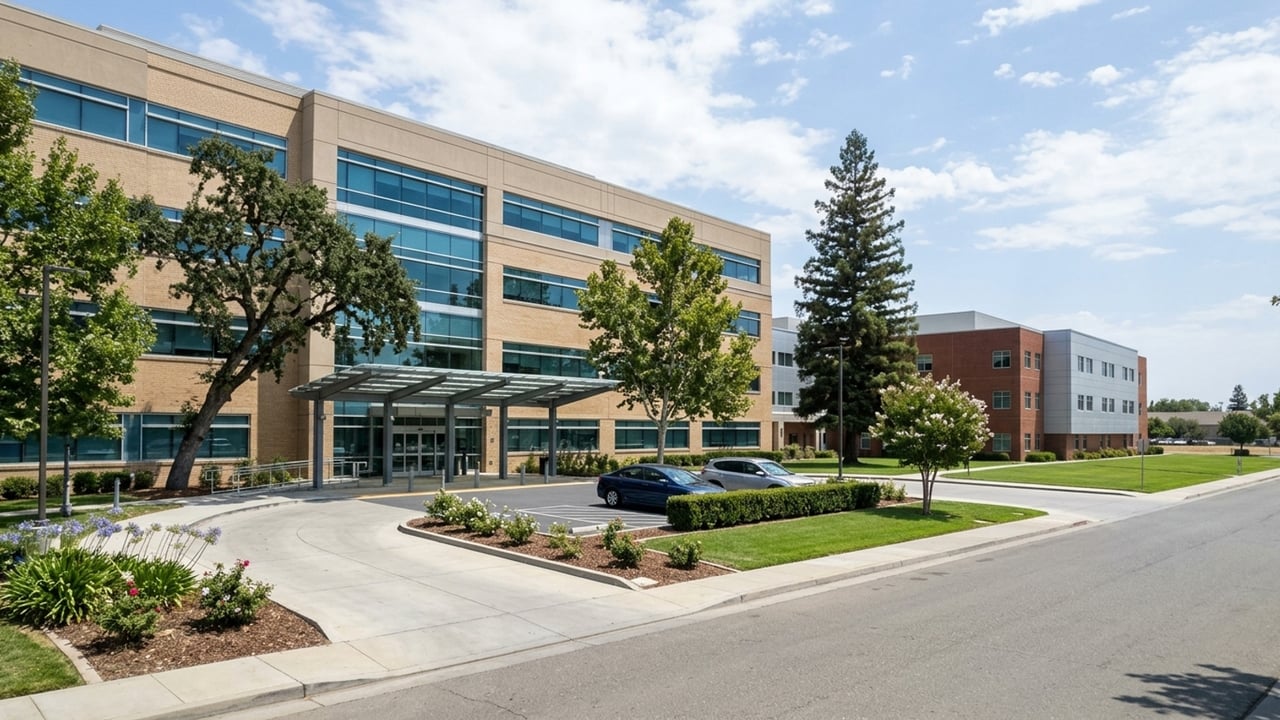
Land Park has no general acute care hospital inside its boundaries. Hospital access means reaching a network's main campus: UC Davis, Sutter, Dignity Health, or Kaiser.
Land Park CA
Land Park's core housing stock dates from the 1920s through the 1940s. Buying a house here means taking over a specific set of local utility accounts and inheriting th… Read more
Land Park CA
House-hunting in south-central Sacramento often comes down to picking a housing era. Land Park's pre-war streets and South Land Park's mid-century tracts sit side by s… Read more
Land Park CA
Land Park sits about three miles south of the downtown core, defined by tree-lined streets and early-to-mid 20th-century architecture. Buyers come here for the access … Read more
Land Park CA
Land Park is tight on supply but not on price. With just 1.3 months of supply and 11 active listings, about half of homes recently sold over asking.
Your real estate goals are within reach, and we’re here to be your guide. Whether you’re searching for your first home, looking to build your investment portfolio, or ready to maximize the sale of your property, MegaBliss Real Estate will provide the support, expertise, and dedication you need to reach your goals.
Get In Touch With Our Team To Learn More
730 I Street, Suite 200 Sacramento CA 95814 Melissa Allman | CA DRE# 01397300