Living in Land Park CA: A Complete 2026 Neighborhood Relocation Guide
Sacramento's real estate landscape offers plenty of options, but few areas command the same sustained interest as Land Park. Known for its extensive tree canopy and historic architecture, this neighborhood serves as a primary target for buyers prioritizing established infrastructure. The area successfully balances residential quiet with immediate commercial access.
Navigating the housing market here requires an understanding of its distinct micro-markets and amenities. Whether you are looking at classic bungalows or evaluating commute times to downtown, having objective data makes the process of living in Land Park CA much easier to navigate. Buyers who succeed in this market come prepared with a clear grasp of local pricing tiers.
This guide breaks down the objective realities of the 2026 market for this specific zip code. We will cover the practical details of daily life, from transit corridors to the exact boundaries of the neighborhood's famous green spaces.
The early 2026 housing metrics show a highly active market, with median home sale prices generally ranging between $795,000 and $835,000 depending on the specific zone. Properties here average approximately 44 days on the market before closing. A significant percentage of these homes continue to sell above their initial list price due to steady buyer demand.
Buyers should note the stark price contrasts between specific sub-neighborhoods within the broader area. Upper Land Park offers a more accessible entry point with a median price of approximately $550,000, while South Land Park tracks closer to $684,000. The clear takeaway for buyers is that securing a property in the central historic district requires aggressive positioning and a willingness to compete.
Inventory levels remain historically tight because residents tend to hold onto their properties for decades. When a well-maintained home hits the local MLS, it frequently attracts multiple competitive offers within the first weekend. Understanding these localized pricing dynamics is essential before drafting a purchase agreement.
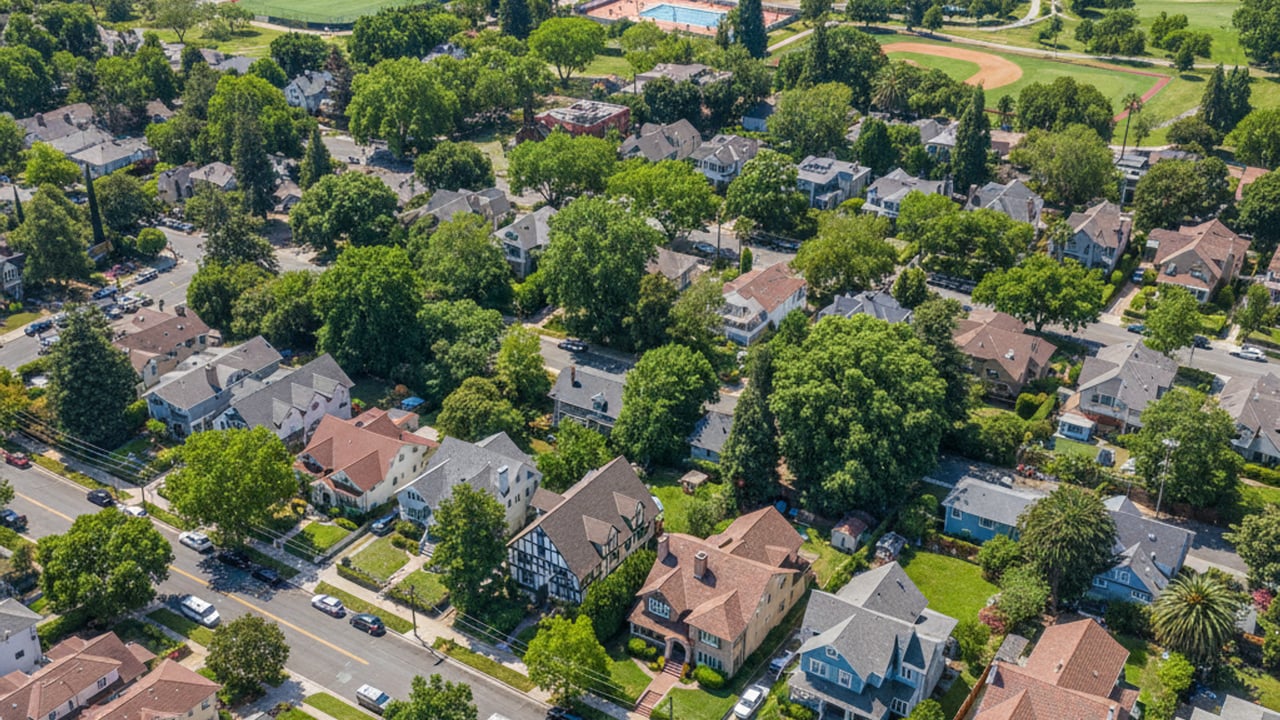
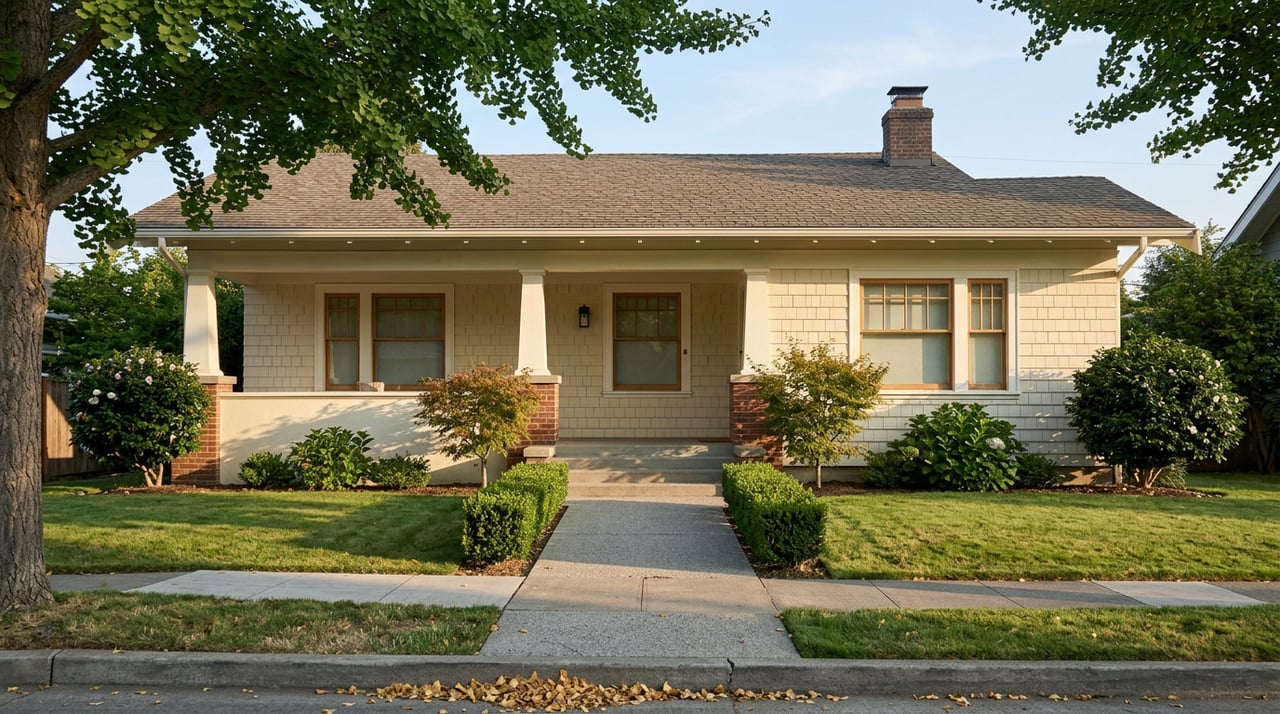
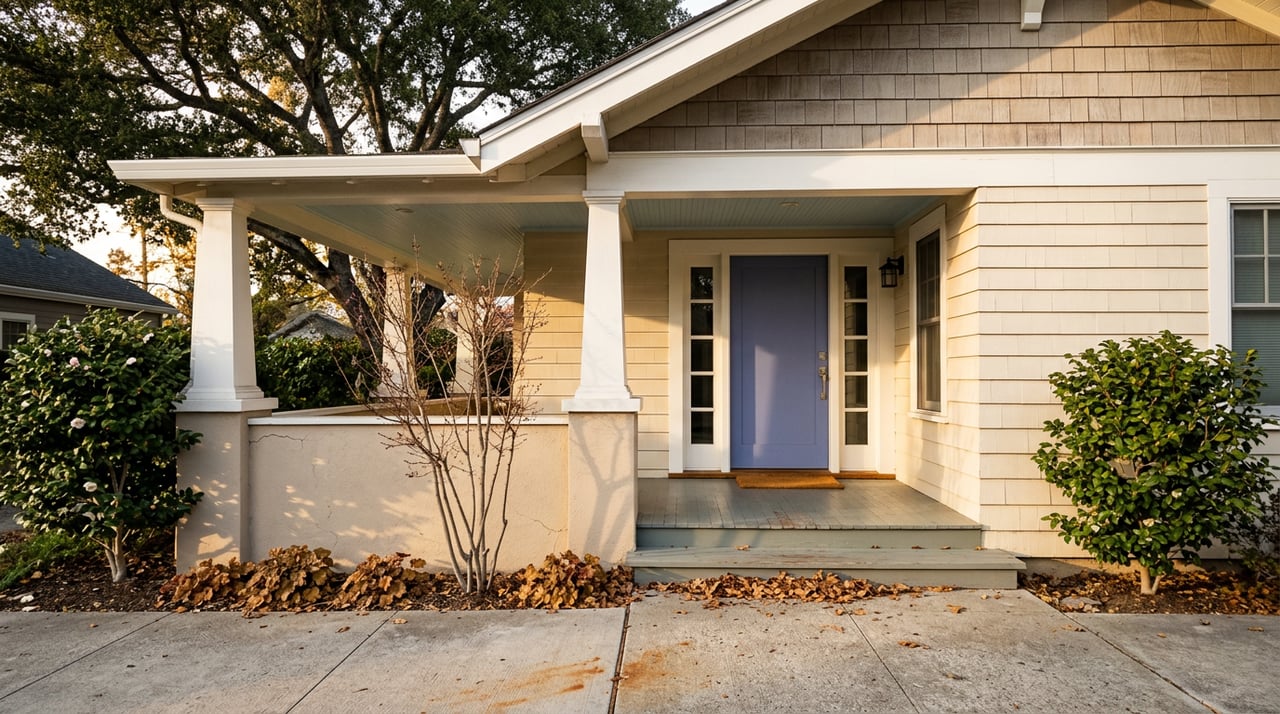
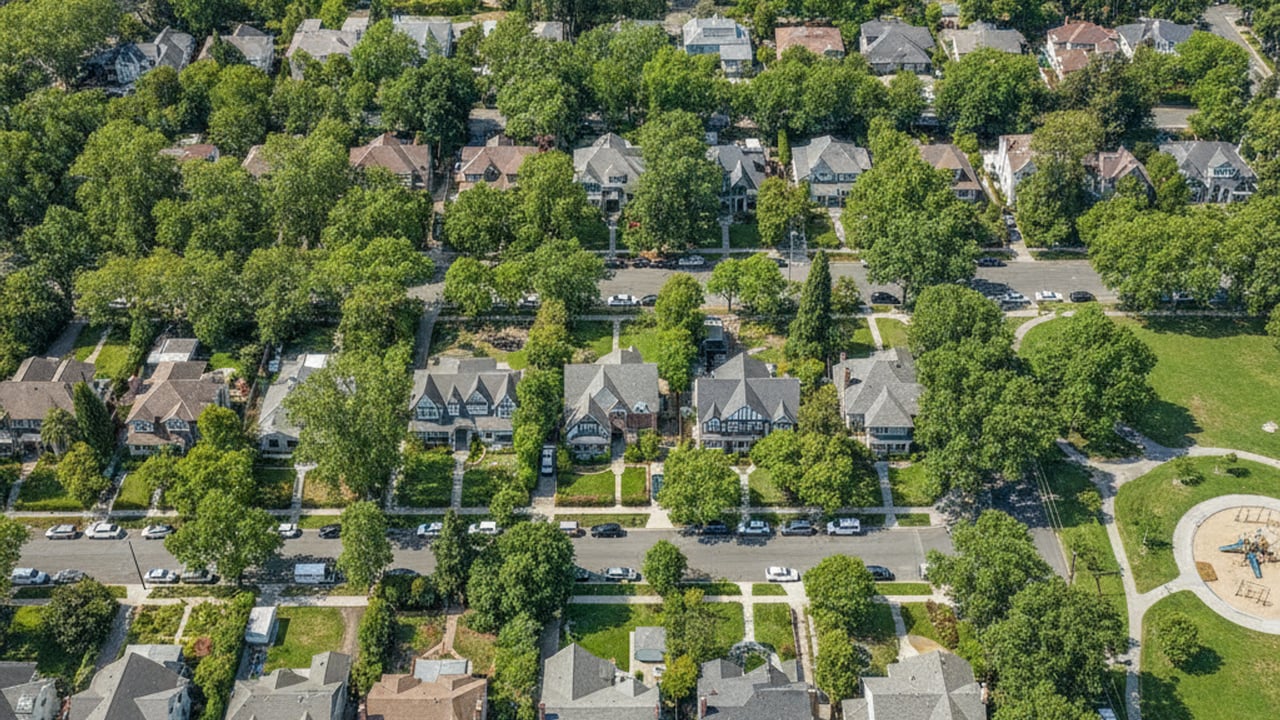
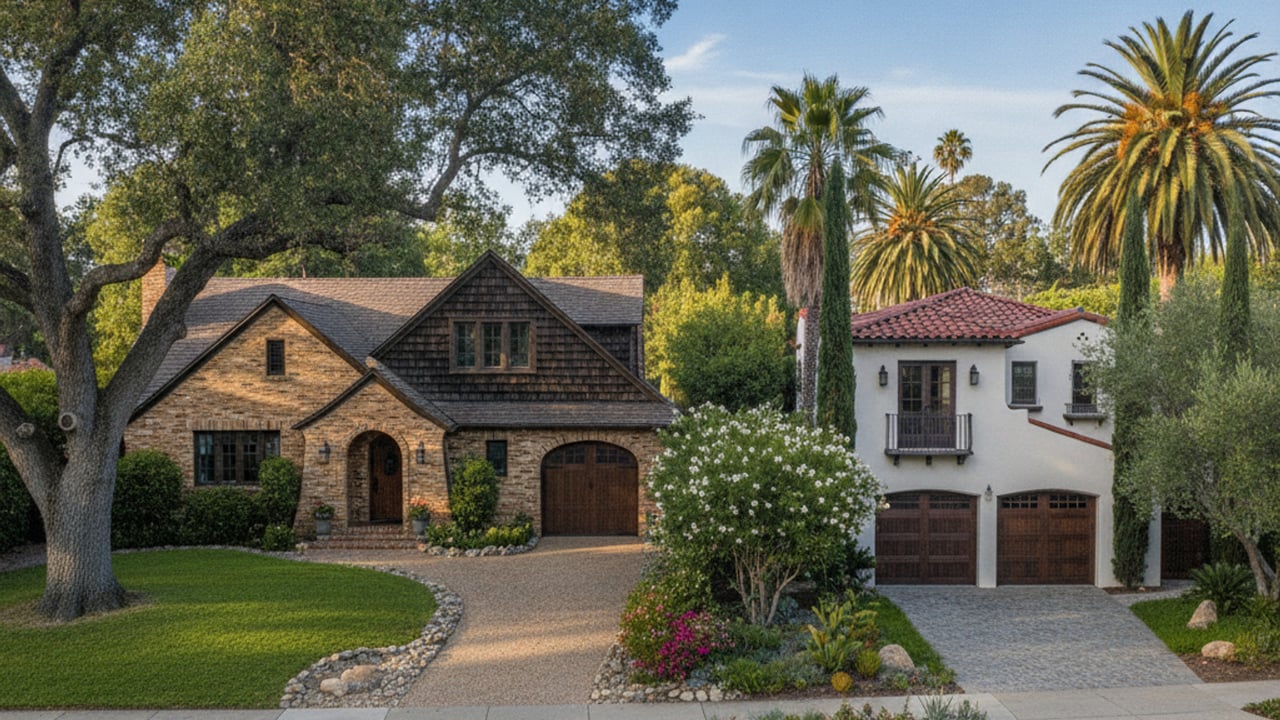
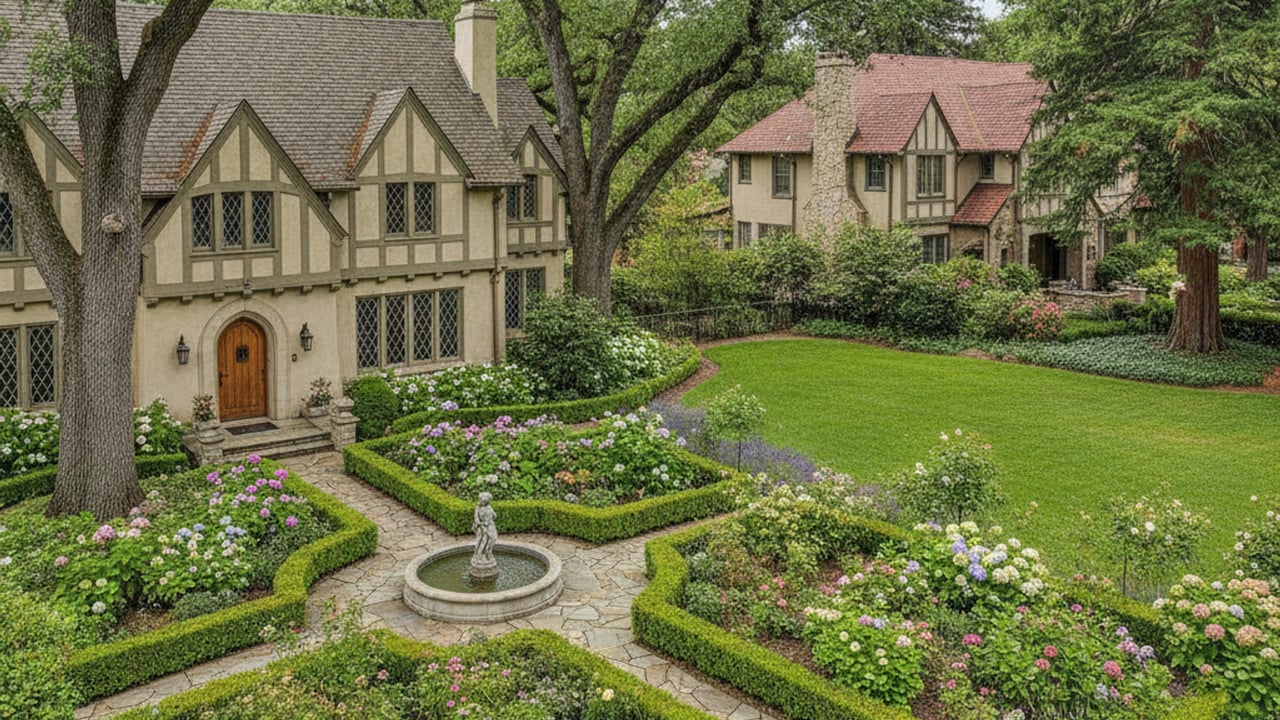
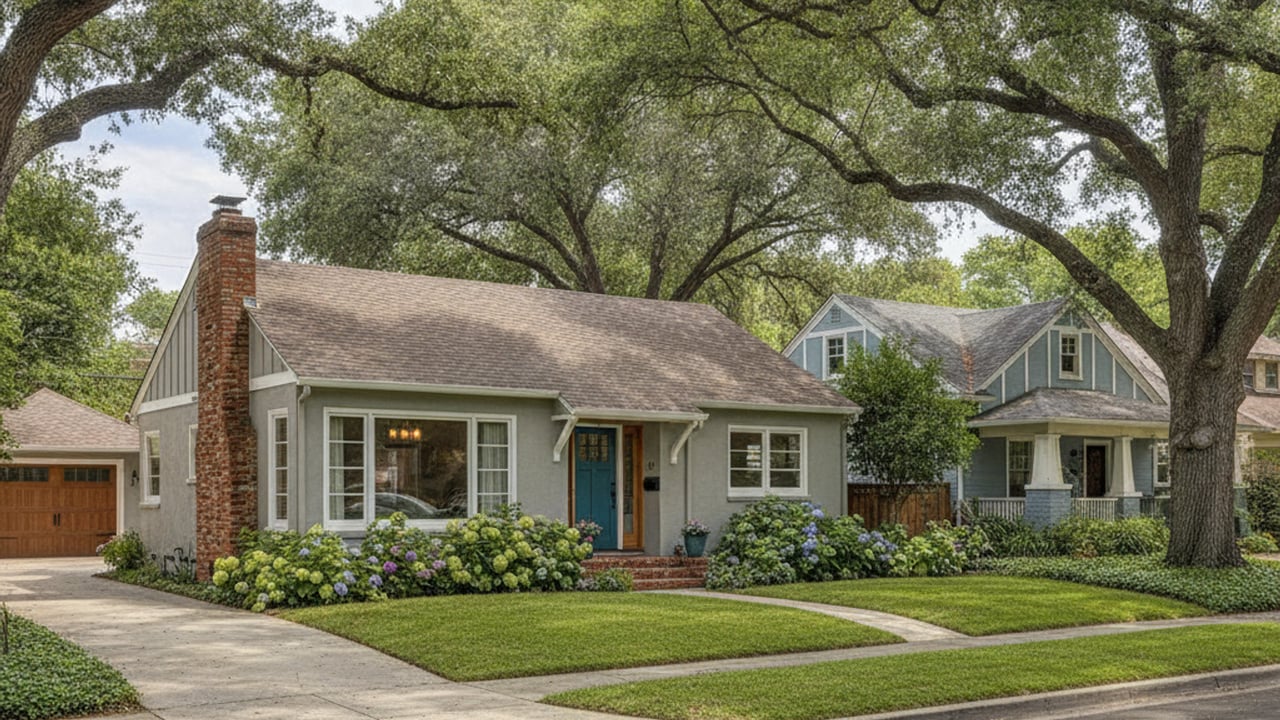
The visual character of the neighborhood is heavily defined by custom-built homes originating from the 1920s and 1930s. Buyers will frequently encounter historic Tudor designs, classic Craftsman bungalows, and striking Spanish Revival properties. These distinct facades offer a sharp contrast to the standardized new construction found in the outer suburbs.
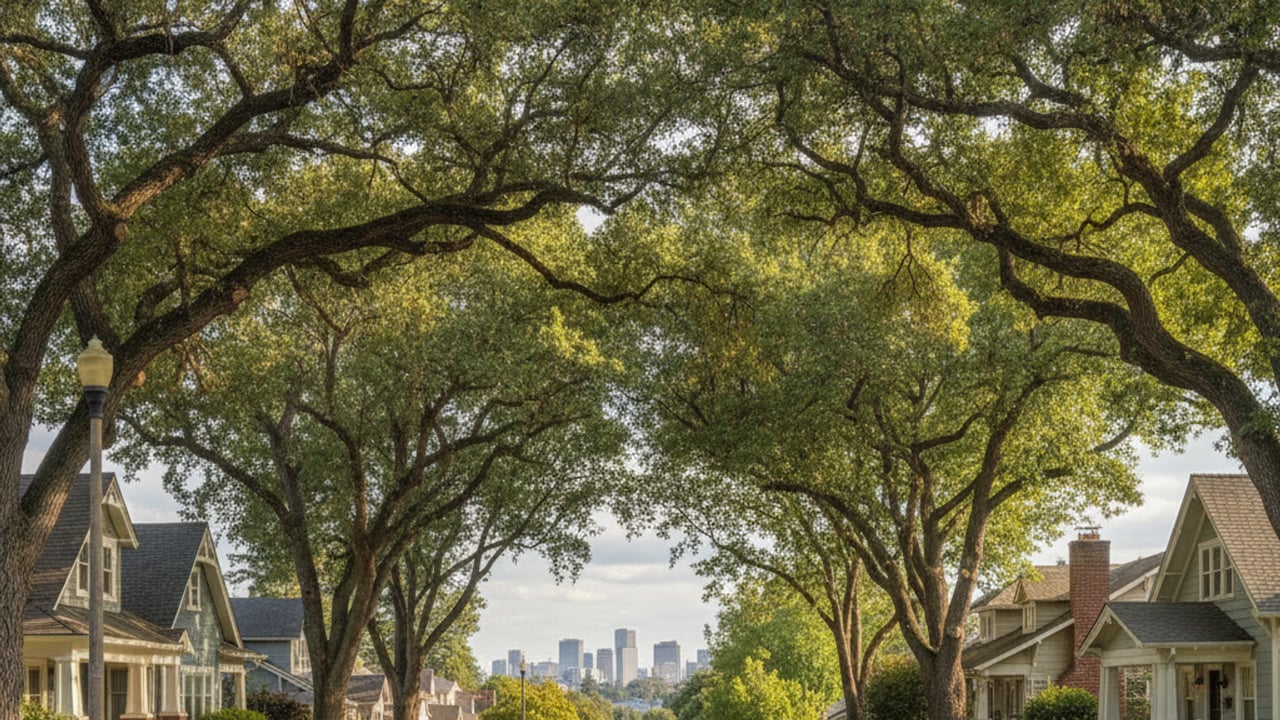
These architectural styles are complemented by mature, tree-lined streets and established green spaces that border the properties. Preserving this historic aesthetic has kept inventory tight, meaning buyers rarely find complete gut-renovations sitting idle on the market. Most available homes have already undergone significant interior modernizations while retaining their original exterior charm.
Lot sizes in this historic district typically reflect early 20th-century urban planning standards. Buyers can expect detached garages, deep but narrow backyards, and prominent front porches designed for pedestrian interaction. This layout creates a highly cohesive streetscape that drives consistent property value retention.
The neighborhood is anchored by the massive 200-plus acre William Land Park, which serves as the primary recreational hub for the surrounding blocks. This expansive green space features miles of public walking trails, well-maintained sports fields, and designated picnic areas. The municipal upkeep of these grounds remains a major priority for the city.
Beyond open space, the park houses the William Land Golf Course, providing an accessible urban green that appeals to golfers of all skill levels. Additional prominent attractions include Fairytale Town and Funderland, which offer high playground density and structured outdoor activities. For buyers, proximity to these park boundaries often commands a direct premium on property values.
The park also hosts various community events and seasonal gatherings throughout the calendar year. Its central location allows residents from all corners of the neighborhood to access the facilities without needing a vehicle. This level of integrated green space is rarely found so close to a major downtown grid.
The Sacramento Zoo remains a cornerstone amenity within the neighborhood following a major municipal decision last year. As of mid-2025, the heavily discussed relocation of the zoo to Elk Grove was officially canceled due to budget constraints. This reversal secured the institution's future within the city limits.
This means the 14-acre facility remains permanently anchored in its historic Land Park location. The retention of the zoo ensures the immediate area will continue to benefit from the infrastructure and municipal upkeep associated with a major city attraction. It continues to draw consistent daily visitors and maintains its specialized animal care programs.
The finalization of the zoo's permanent residency has also stabilized property expectations for the immediately adjacent streets. Homeowners no longer have to speculate about large-scale commercial redevelopment on that municipal land. The facility operates with established traffic management protocols that minimize disruption to the surrounding residential blocks.
One of the strongest objective advantages of this area is its immediate proximity to Downtown Sacramento. Drivers can typically expect a brief 5-to-10-minute commute to the central business district under normal traffic conditions. This short travel distance makes the area highly practical for those employed in the state capital complex.
The neighborhood shares a direct border with Interstate 5, allowing for rapid north-south travel, while also providing easy access to Highway 50. For those utilizing public transit, the corridor is thoroughly served by dedicated bus lines and accessible light rail stations. These transit hubs offer reliable schedules for daily commuters heading into the urban core.
Beyond motorized transit, the local infrastructure heavily favors alternative commuting methods. The area features high walkability scores and an extensive network of bike-friendly routes connecting residential streets to commercial hubs. The takeaway for relocators is that you do not need to rely entirely on a personal vehicle to navigate daily life here.
Street parking throughout the residential zones is generally abundant, though some blocks near commercial borders utilize permit systems. Buyers moving from denser urban markets often find the vehicular infrastructure here highly accommodating. The flat topography further enhances the appeal of bicycle commuting year-round.
Geographic boundaries place this neighborhood within the jurisdiction of the Sacramento City Unified School District. The local educational infrastructure includes a mix of established public campuses and nearby specialized facilities. This concentration of educational buildings contributes significantly to the daily traffic patterns during morning hours.
Buyers evaluating property lines should verify exact zoning, as attendance boundaries can shift between specific streets. The clear takeaway is that the density of established campuses provides residents with multiple localized options without requiring cross-city travel. Municipal investment in these facilities has remained steady over the past decade.
The primary educational facilities geographically serving the immediate area include:
Crocker/Riverside Elementary and William Land Elementary for early education.
California Middle School for transitional grades.
C.K. McClatchy High School serving as the primary secondary institution.
West Campus High School operating as a nearby specialized option.
In addition to the public options, several established private educational institutions operate within a short driving radius. This variety allows residents to evaluate multiple academic pathways based on their specific household requirements. Access to comprehensive educational infrastructure remains a primary driver of the local housing demand.
Freeport Boulevard operates as the central commercial spine for the neighborhood, housing essential daily conveniences. This busy thoroughfare provides immediate access to major grocery stores, pharmacies, and a dense concentration of local businesses. Residents can easily source their weekly necessities without leaving the immediate zip code.
On the northern edge of the neighborhood, the Broadway corridor offers an expanded selection of dining and entertainment venues. This distinct district bridges the gap between residential streets and the downtown grid, acting as a major commercial transition zone. The ongoing municipal revitalization of Broadway continues to bring new retail tenants to the area.
The area is also known for long-standing local establishments that drive consistent foot traffic. Prominent independent coffee houses and regional staples like Freeport Bakery anchor the retail landscape. For buyers, the close proximity of these commercial strips means daily errands rarely require highway travel.
Commercial zoning is strictly regulated to prevent industrial encroachment into the historic residential blocks. This careful urban planning ensures that retail noise and commercial traffic remain concentrated on the major arterial roads. The resulting layout successfully balances urban convenience with residential privacy.
The neighborhood is located immediately south of the downtown grid, resulting in a highly efficient commute. Drivers can typically reach the city center in approximately 5 to 10 minutes. Light rail and dedicated bike lanes offer alternative transit options with similarly competitive travel times.
The 2026 market remains highly competitive, with median home prices generally ranging from $795,000 to $835,000. Properties average about 44 days on the market, and multiple-offer scenarios are common for updated historic homes. Buyers seeking lower entry points often look to Upper Land Park, where median prices sit closer to $550,000.
The area stands out due to its dense canopy of mature trees and well-preserved 1920s architecture. Residents benefit from immediate access to the 200-plus acre William Land Park and a highly walkable commercial corridor along Freeport Boulevard. The blend of historic charm and modern municipal infrastructure creates a highly functional urban environment.
Municipal data consistently shows that property and violent crime rates in this area track differently than the broader downtown district. Buyers are encouraged to review the localized reports published by the Sacramento Police Department for the 95818 zip code. Analyzing these objective metrics provides the clearest picture of neighborhood incident trends.
Stay up to date on the latest real estate trends.

Land Park CA
Land Park CA
Land Park CA
Land Park CA
Land Park CA
Land Park CA
Your real estate goals are within reach, and we’re here to be your guide. Whether you’re searching for your first home, looking to build your investment portfolio, or ready to maximize the sale of your property, MegaBliss Real Estate will provide the support, expertise, and dedication you need to reach your goals.
Get In Touch With Our Team To Learn More
1007 7th St Ste 400 Sacramento CA 95814 Melissa Allman | CA DRE# 01397300