Explore Homebuyer Programs in East Sacramento, CA for 2026
Purchasing a property in California often requires navigating a complex financial landscape, especially in established areas. Buyers looking for financial assistance and homebuyer programs in East Sacramento, CA have several powerful tools available to them this year. Local and state initiatives are actively helping buyers bridge the gap between their savings and current purchase requirements.
Understanding the exact requirements for these programs can make the difference between securing a property and remaining a renter. Sacramento County, California offers specific grants and deferred loans that lower the barrier to entry for qualified applicants. Knowing how to leverage these affordable housing opportunities is a crucial first step toward owning a real estate asset in this specific part of the city.
The current median home price in East Sacramento sits at approximately $725,000. This figure reflects the sustained demand for the area's established infrastructure and distinct property types. Buyers entering this market need a clear picture of what their purchasing power will secure before applying for a mortgage.
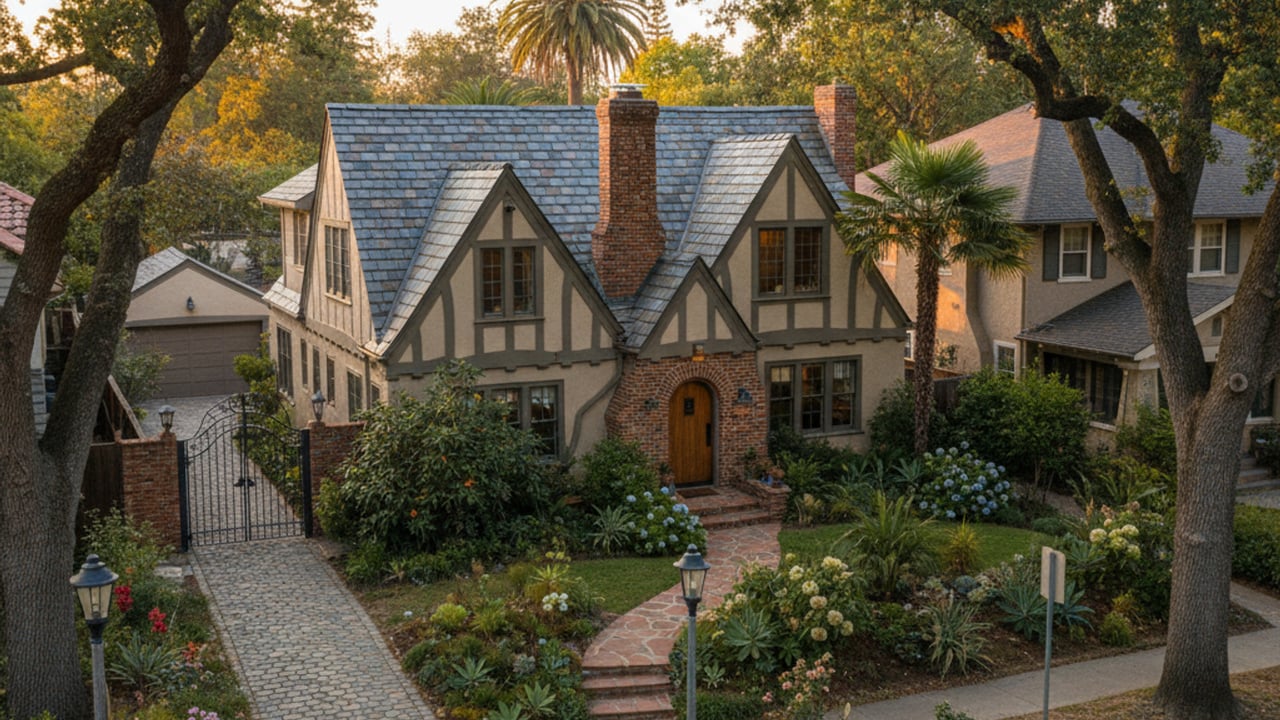
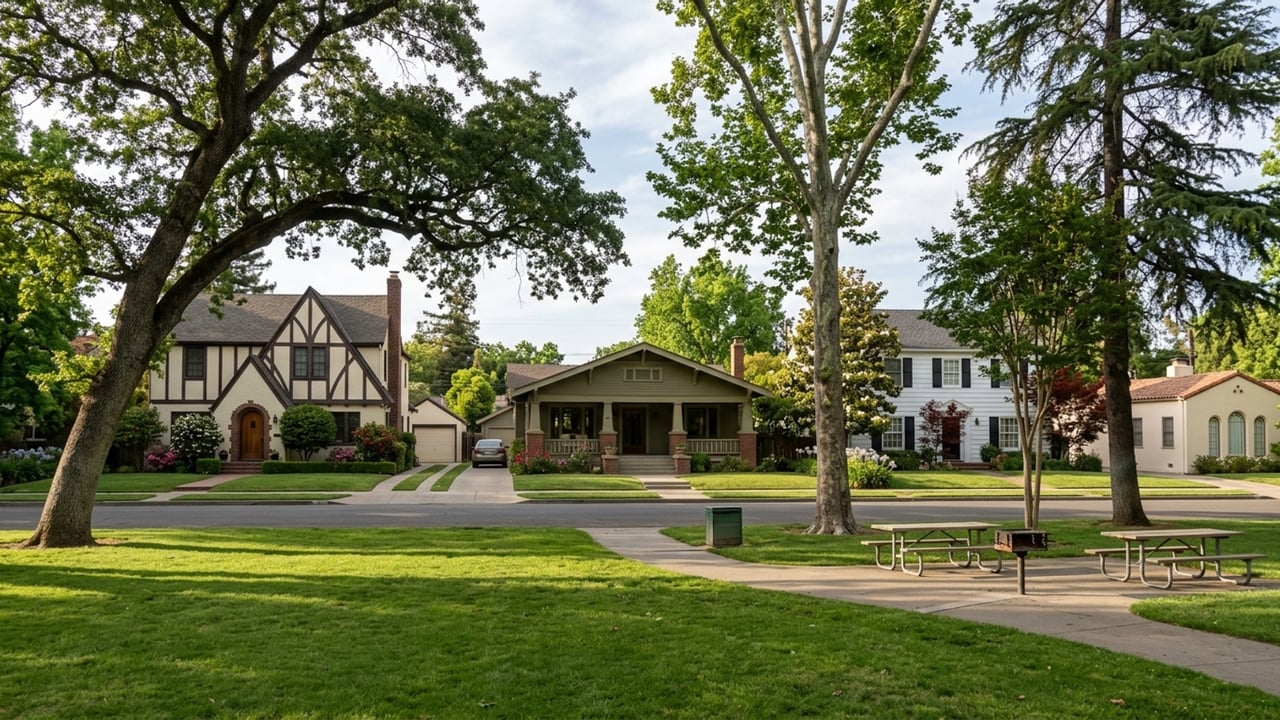
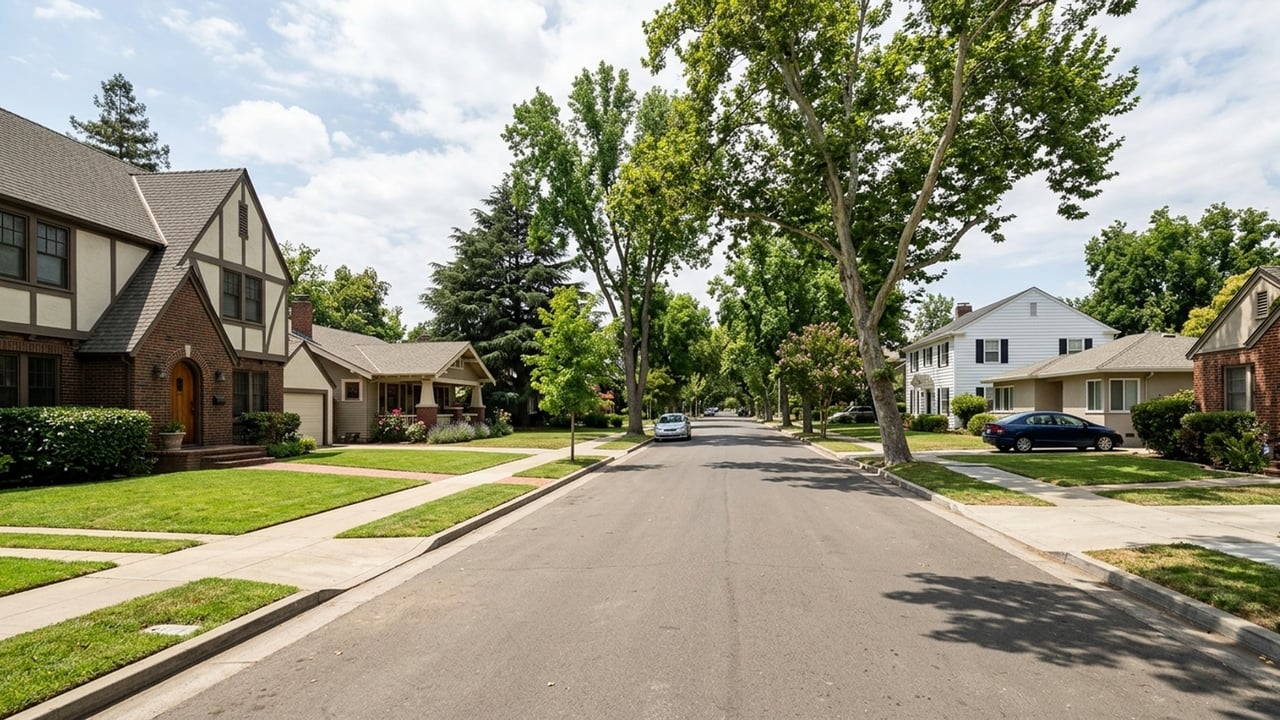
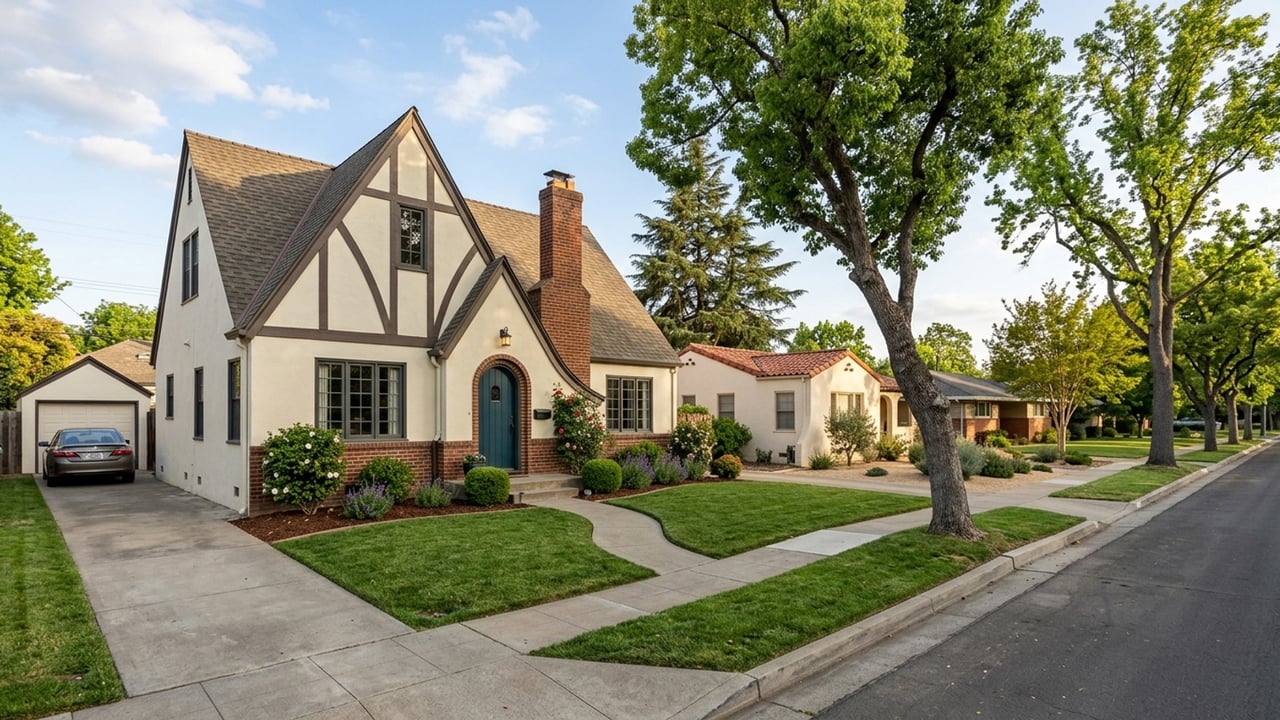
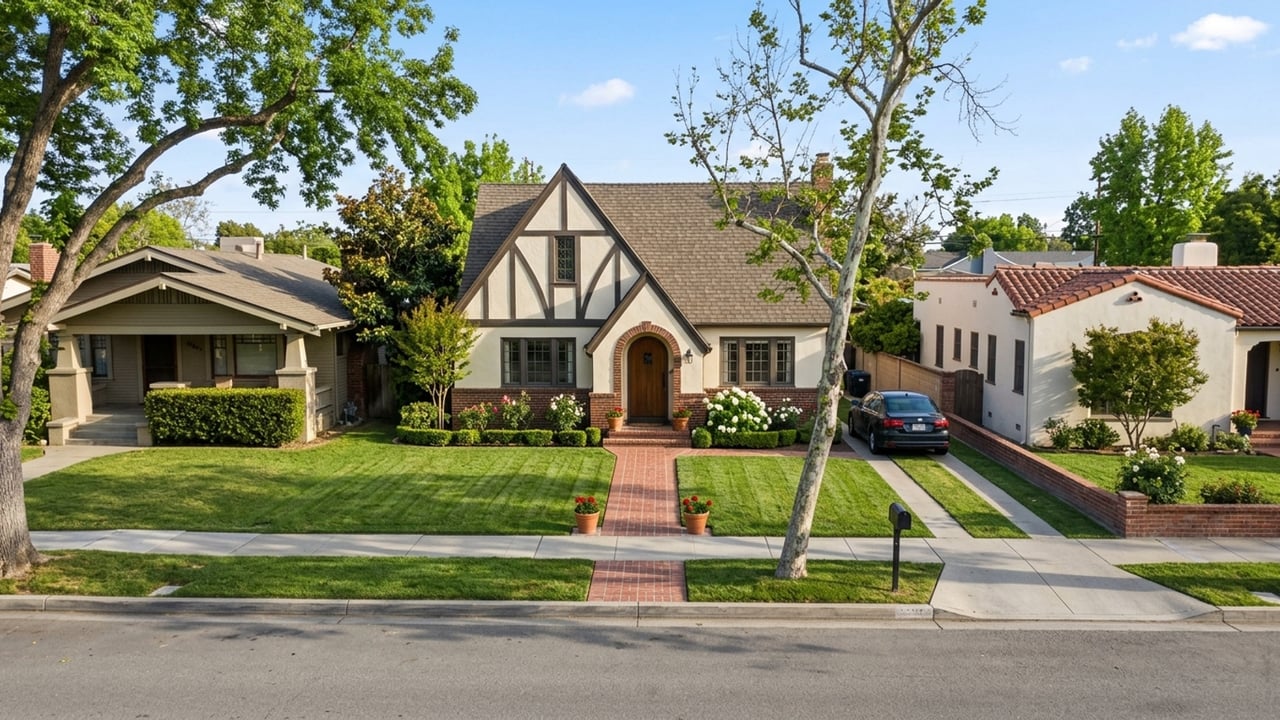
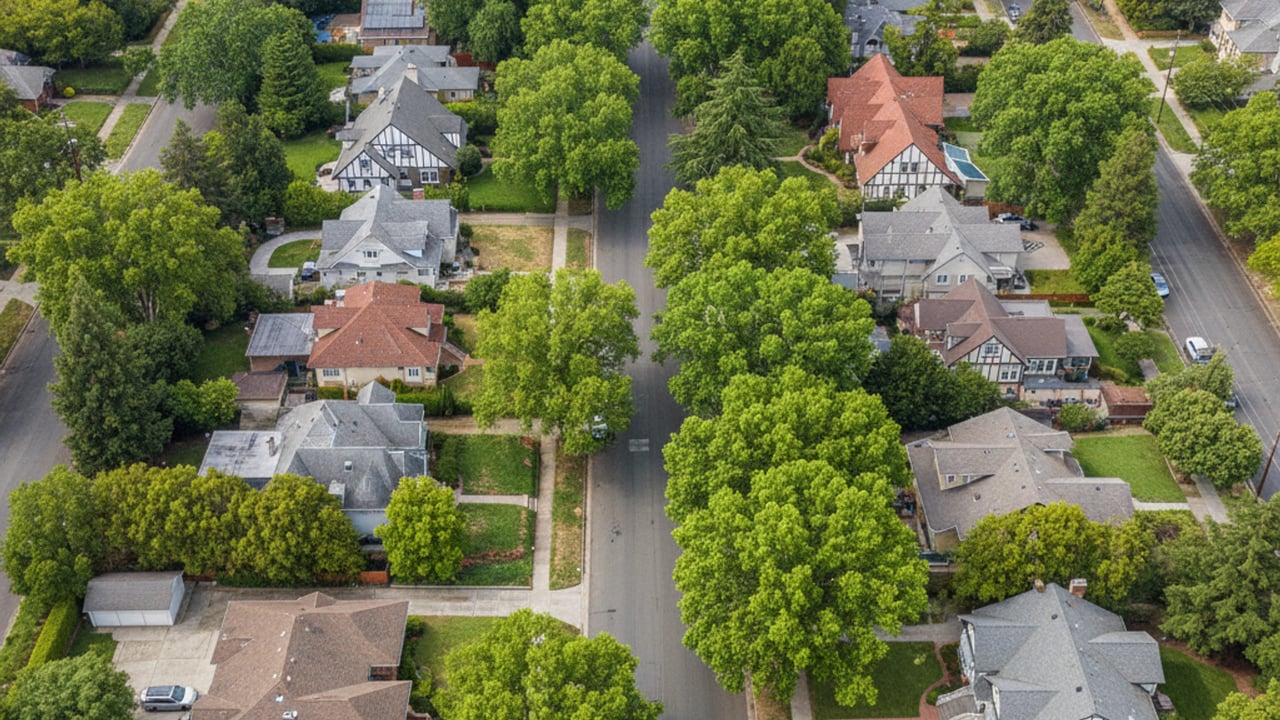
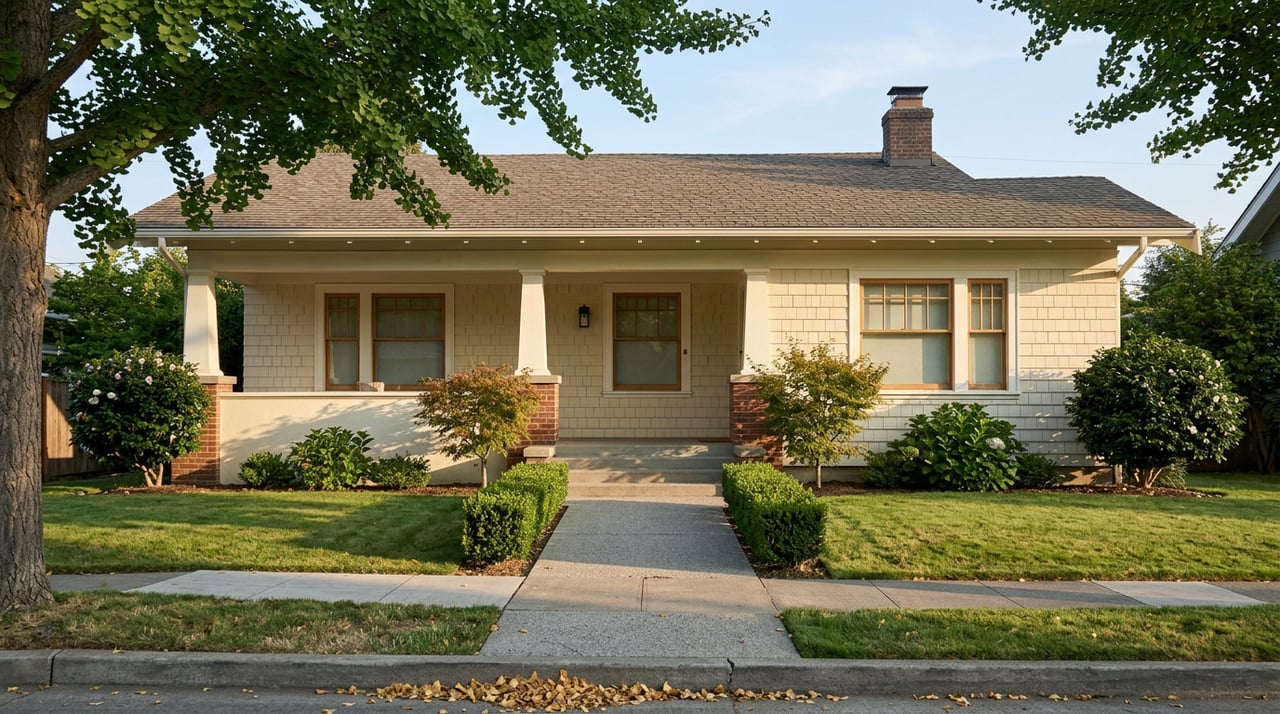
The housing inventory here is largely defined by older, architecturally significant properties rather than new construction. Historic bungalows and Tudor-style homes dominate the tree-lined blocks, offering distinct floor plans and mature landscaping. These older properties often carry higher baseline values, making payment assistance programs highly relevant for new buyers.
From an objective standpoint, the $725,000 price point means buyers must be highly strategic with their down payment strategies. The clear takeaway is that relying solely on traditional savings might delay your purchase too long in this market. Utilizing state and local assistance programs is a practical necessity rather than just an optional benefit for moderate-income buyers.
The physical layout of East Sacramento centers heavily around McKinley Park, which features a high density of playgrounds, a rose garden, and public tennis courts. Residents also have direct access to commercial corridors along J Street and Folsom Boulevard. These streets house a dense concentration of local businesses, grocery stores, and medical offices.
Transportation logistics are a major factor driving property values in this zip code. The average commute time from East Sacramento to Downtown Sacramento is roughly 10 to 15 minutes by car. Access to Interstate 80 and Highway 50 also provides straightforward routes for those commuting to other parts of the region.
The California Housing Finance Agency (CalHFA) operates several initiatives designed to expand affordable housing opportunities across the state. These programs are structured to reduce the upfront capital required to close on a property. Participating government agencies work directly with approved lenders to apply these funds during the escrow process.
The CalHFA MyHome Assistance Program is a primary resource for buyers needing help with closing costs or a down payment. This program offers a deferred junior loan of up to 3.5% of the property's purchase price or appraised value. The loan payments are deferred until the home is sold, refinanced, or the primary mortgage is paid off.
Another major initiative active in 2026 is the California Dream For All Shared Appreciation Loan. This program provides up to 20% of the purchase price, capped at $150,000, to help buyers secure a lower primary loan amount. In exchange for this upfront capital, the homeowner shares a percentage of the home's appreciation with the state upon future sale.
The clear advantage here is for buyers who have a high monthly income but lack a large lump sum for a down payment. Stacking these state programs can dramatically reduce your initial out-of-pocket expenses. Moderate-income buyers should prioritize the MyHome program for its straightforward deferred structure without the shared appreciation requirement.
Beyond state-level funding, localized assistance is available directly through Sacramento County and city-specific organizations. The Sacramento Housing and Redevelopment Agency (SHRA) administers the CalHome Mortgage Assistance program. This initiative offers up to 20% of the purchase price, with a maximum limit of $40,000, specifically tailored for low-income buyers.
Targeted community initiatives also provide localized financial relief. The CLTRE Keeper First-Time Home Buyer Program offers up to $15,000 in forgivable loans for buyers purchasing in specific Sacramento zip codes. Organizations like NeighborWorks Sacramento also support these efforts by connecting buyers with grants that cover closing costs and down payments.
The practical takeaway for East Sacramento buyers is the immense value of combining local and state resources. Stacking a localized grant with a CalHFA loan can cover nearly all standard closing costs and down payment requirements. Buyers who take the time to apply for both tiers of assistance place themselves in a significantly stronger purchasing position.
Securing these funds requires meeting strict eligibility guidelines set by the administering agencies. Lenders will thoroughly verify your financial background before approving any assistance program. Understanding these prerequisites early in the process prevents delays when you are ready to make an offer.
Both the property and the applicant must align with specific local thresholds. East Sacramento properties must fall under the maximum purchase price caps dictated by the respective grant programs. Buyers must also prove they have steady employment and meet specific debt-to-income ratios.
The standard eligibility requirements for these Sacramento programs involve strict financial and educational criteria. These mandates ensure that the funding reaches the intended moderate-income applicants:
Applicants must meet income limits, which are approximately $225,000 for CalHFA programs and 80% of the Area Median Income for SHRA assistance.
All buyers must complete an educational course from a HUD-approved housing counseling agency prior to closing.
Borrowers must meet the minimum credit score requirements, which typically start around 660 to 680, depending on the participating lender.
The purchased property must serve as the buyer's primary residence, fulfilling standard owner-occupancy rules.
Yes, the state offers the California Dream For All Shared Appreciation Loan, which provides up to 20% of the purchase price. This assistance is capped at a maximum of $150,000 and is meant to be used for down payments and closing costs. In exchange, the homeowner repays the original loan amount plus a share of the home's appreciation when it is sold.
Sacramento does not have just one single program, but rather a network of local options. Buyers can access the SHRA CalHome program for up to $40,000 in assistance or the CLTRE Keeper Program for up to $15,000 in forgivable loans. These local loan options are often managed through organizations like NeighborWorks Sacramento.
Most of these financial grants and deferred loans require you to be a first-time homebuyer. However, the standard definition of a first-time buyer is someone who has not owned a primary residence in the past three years. If you sold your previous home more than 36 months ago, you may still qualify for these affordable housing opportunities.
Stay up to date on the latest real estate trends.
Land Park CA
Land Park CA
Land Park CA
East Sacramento
Land Park CA
East Sacramento
Your real estate goals are within reach, and we’re here to be your guide. Whether you’re searching for your first home, looking to build your investment portfolio, or ready to maximize the sale of your property, MegaBliss Real Estate will provide the support, expertise, and dedication you need to reach your goals.
Get In Touch With Our Team To Learn More

1007 7th St Ste 400 Sacramento CA 95814 Melissa Allman | CA DRE# 01397300