Securing Your Future: Financial Assistance and Homebuyer Programs in Land Park CA in 2026
Purchasing a property in Sacramento requires strategic planning, especially in highly established neighborhoods with strong demand. Buyers navigating the 2026 housing landscape often find that managing upfront costs is the largest hurdle to homeownership.
Fortunately, there are robust financial assistance and homebuyer programs in Land Park CA designed to bridge the gap between savings and closing costs. Leveraging these state and local resources can transform a challenging purchase into an achievable reality.
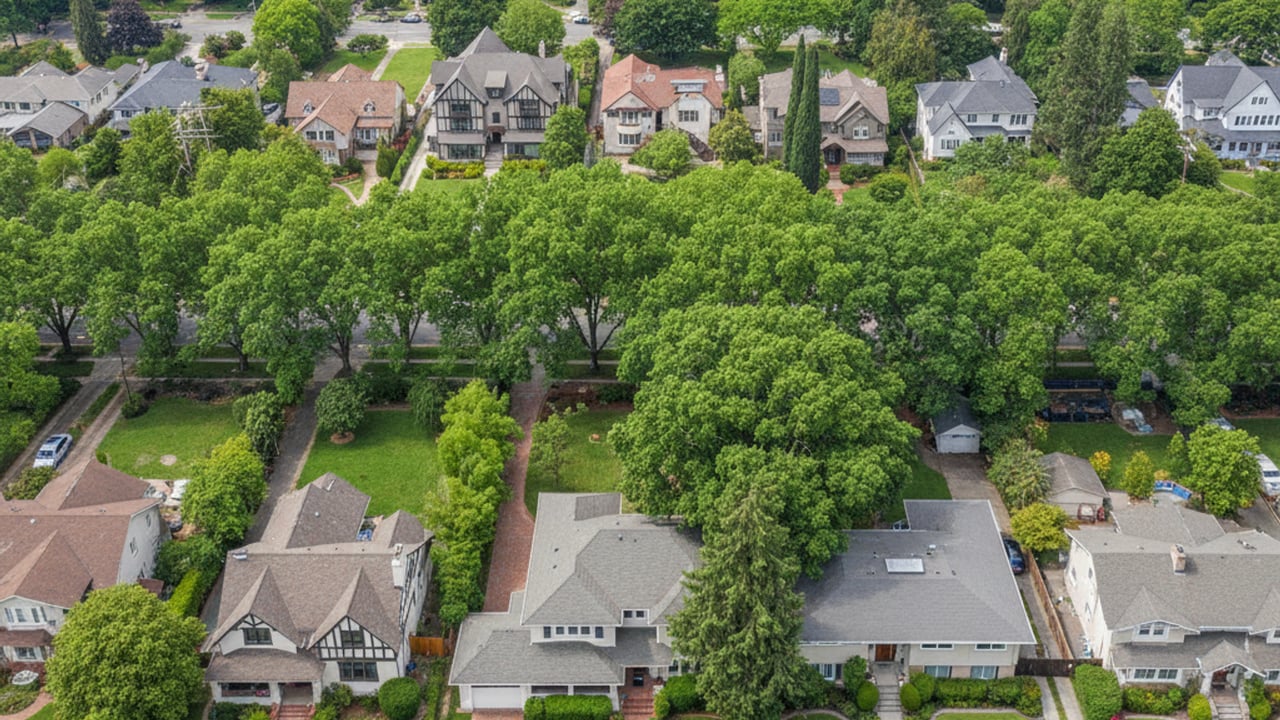
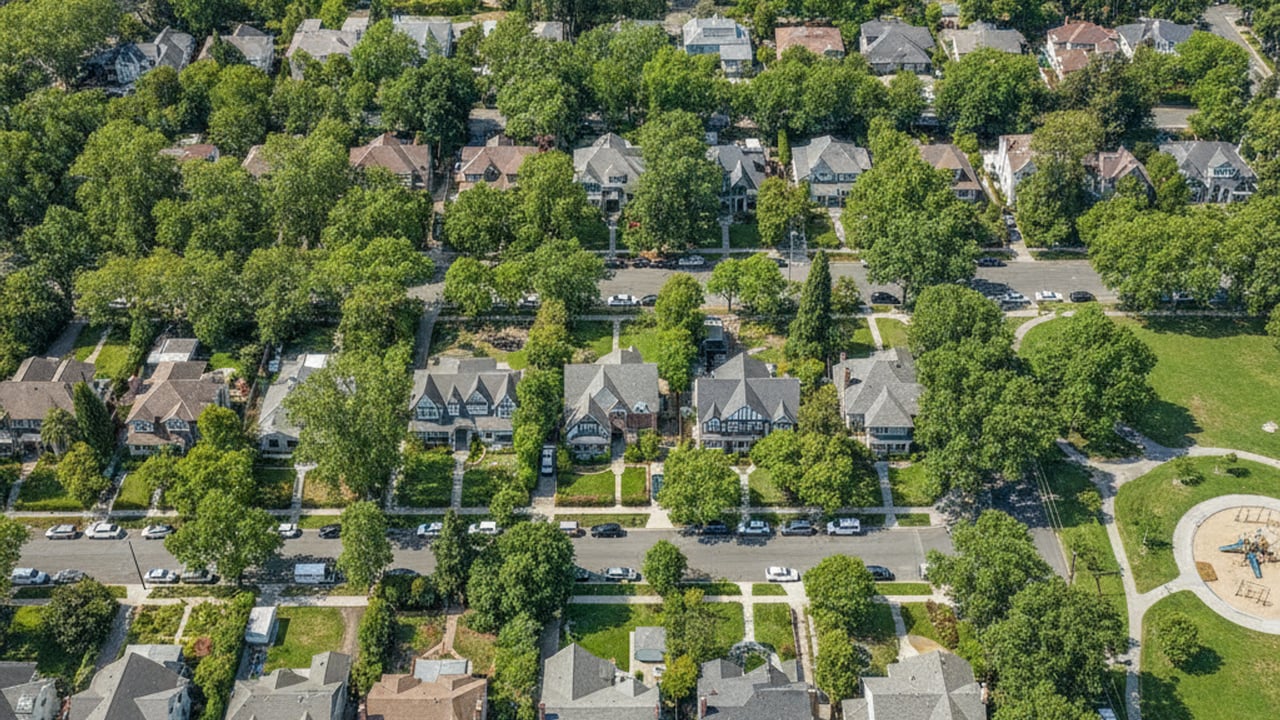
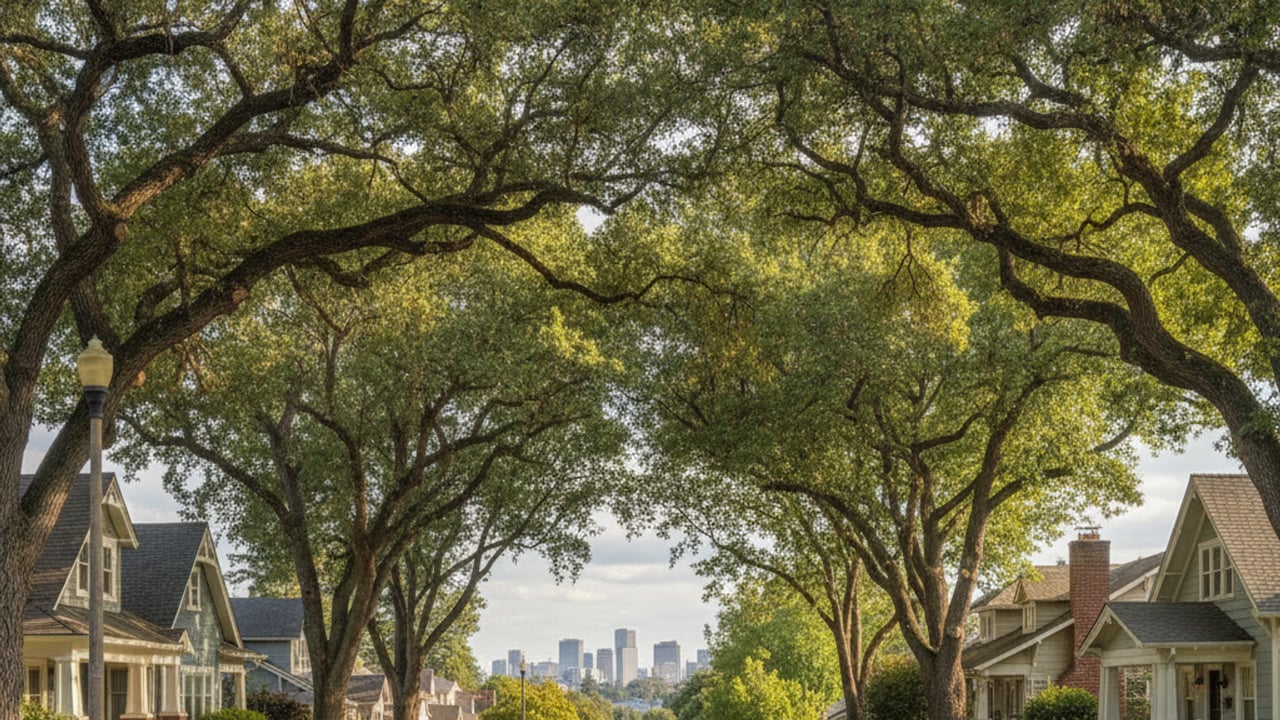
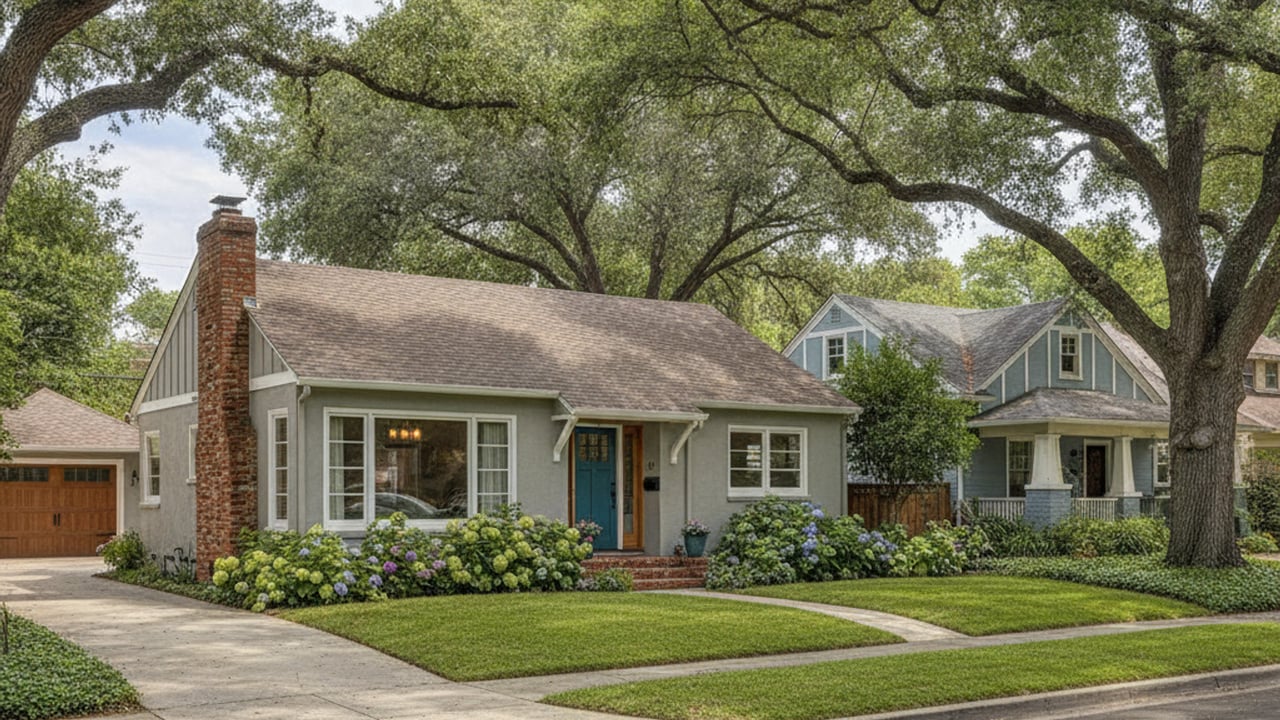
Land Park remains one of Sacramento's most recognizable and enduring neighborhoods, characterized by its mature tree canopies and historic architecture. The current 2026 market here is highly competitive, requiring buyers to be financially prepared long before they view their first property.
Utilizing local and state assistance programs is a strategic way for buyers to manage the substantial upfront costs of purchasing in this zip code. Securing pre-approval with an approved lender who intimately understands Sacramento-specific programs is absolutely critical before submitting any offers. Working with a loan officer who knows the nuances of local funding will give your offer a distinct advantage.
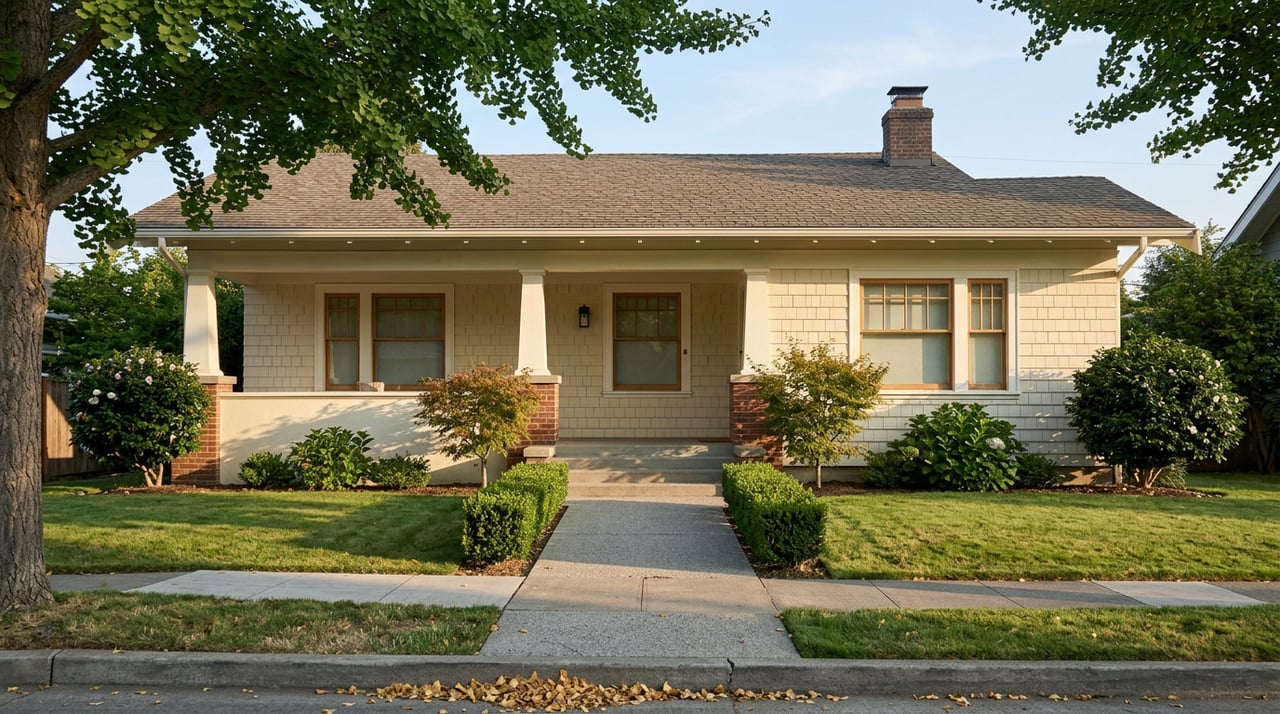
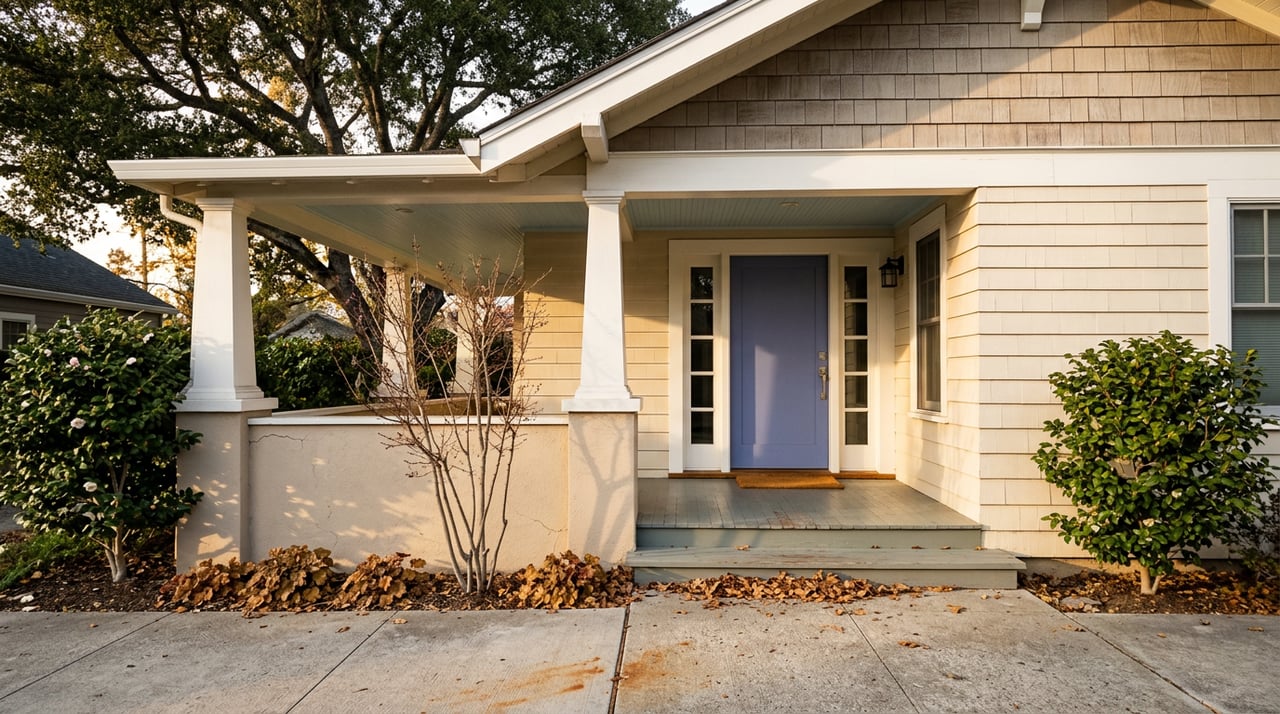
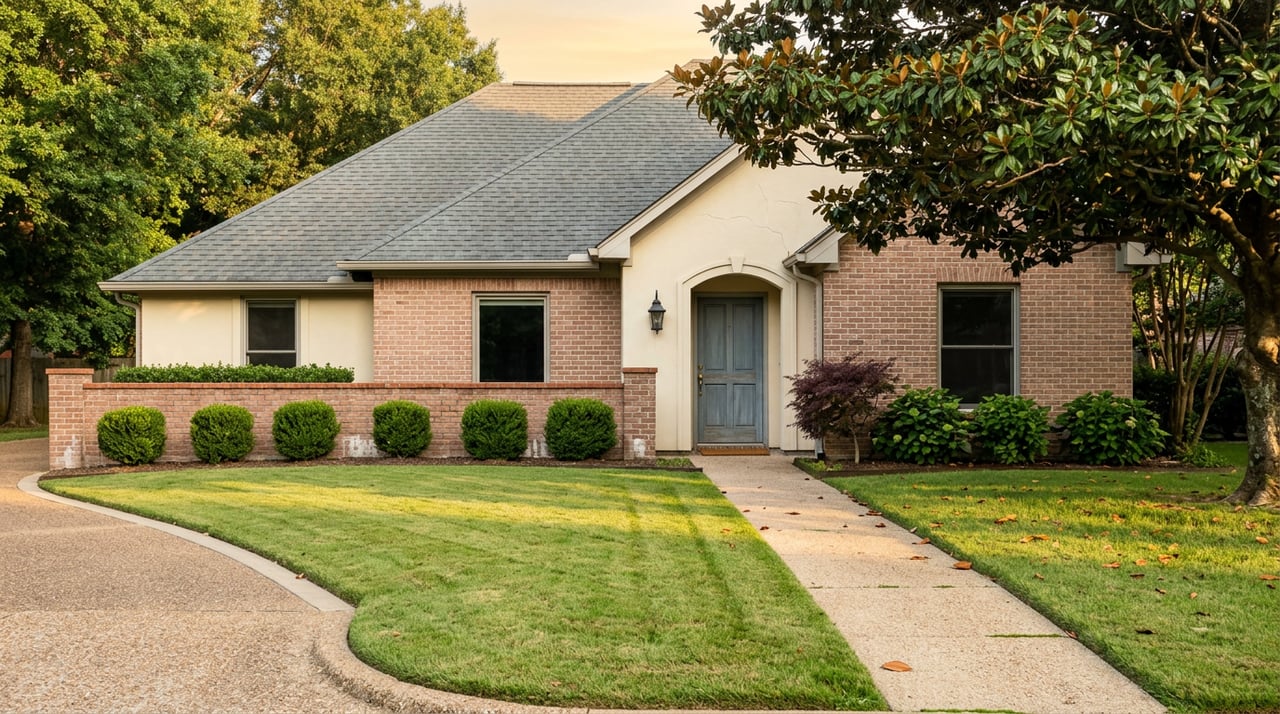
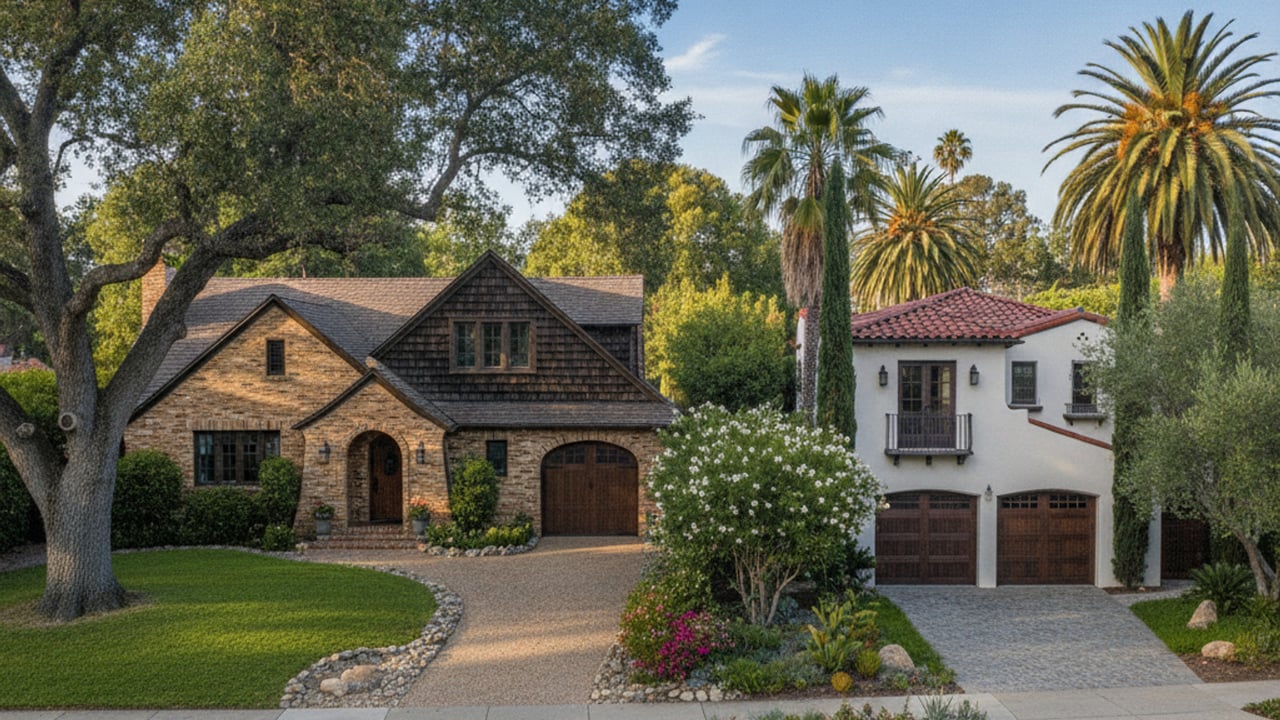
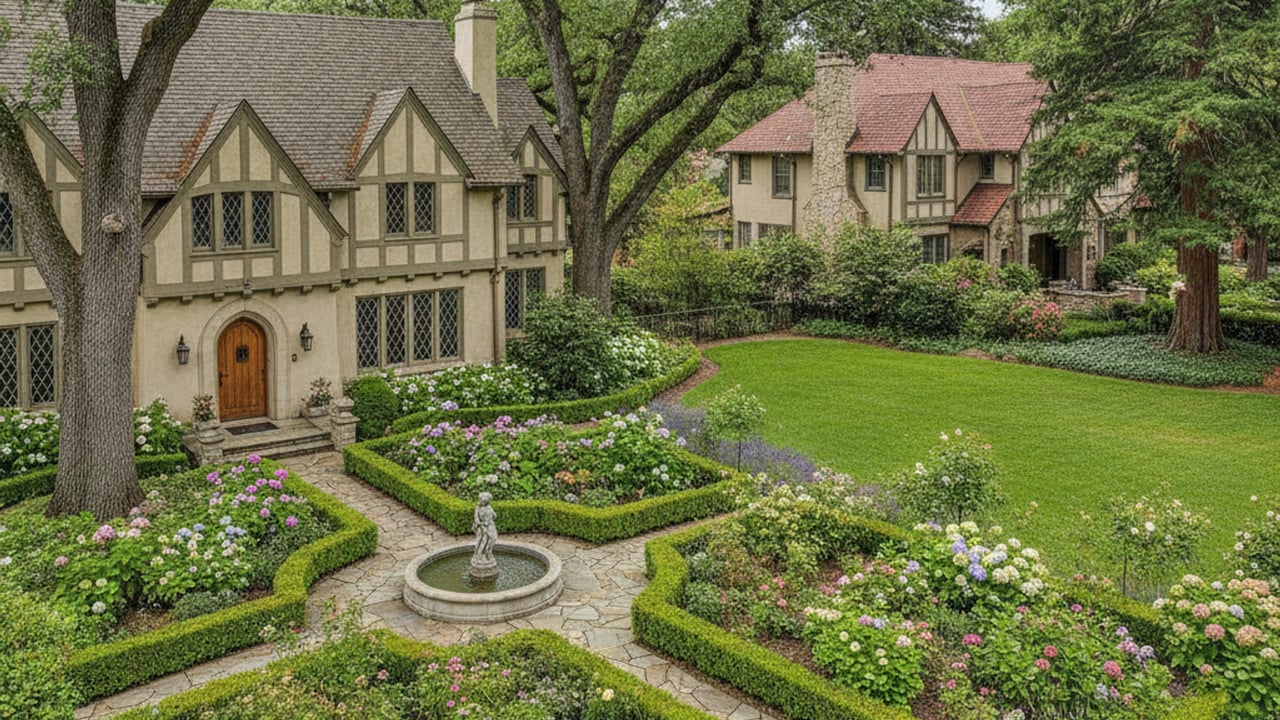
The architectural landscape of the neighborhood features a distinct blend of classic Tudor, Craftsman, and mid-century ranch-style single-family homes. Depending on the exact location, such as Upper Land Park versus the central corridors, median home prices currently range between $675,000 and $795,000.
Property taxes are a major consideration for any buyer calculating their monthly mortgage payments. While Proposition 13 caps the base property tax rate at 1%, new buyers should anticipate an effective tax rate of approximately 1.1% to 1.25% due to local Sacramento County bonds and district assessments.
Property values in this area are heavily anchored by proximity to major civic features, most notably William Land Regional Park and the Sacramento Zoo. These expansive public spaces provide immediate access to golf courses, walking trails, and recreational facilities.
The neighborhood also benefits from highly efficient transportation infrastructure, offering a streamlined commute to Downtown Sacramento via Interstate 5 and Highway 99. Residential addresses here fall within the boundaries of the Sacramento City Unified School District, which is a primary factor for many buyers evaluating the area.
The California Housing Finance Agency (CalHFA) provides multiple avenues for down payment and closing cost assistance throughout Sacramento County. These programs are accessible exclusively through approved lenders and require borrowers to meet specific income limits based on the county.
To qualify for these funds, applicants must complete a mandatory eight-hour homebuyer education requirement. Leveraging state-backed first mortgages alongside these junior loans often yields the most competitive overall annual percentage rates for eligible borrowers. Do not assume your income disqualifies you - Sacramento County limits are often higher than buyers expect, making it worth verifying your eligibility.
The Dream For All program provides up to 20% of the purchase price, capped at $150,000, for a down payment. This substantial contribution effectively eliminates the need for private mortgage insurance while lowering the primary loan amount.
This initiative operates on a shared appreciation mechanic, meaning borrowers repay the original loan amount plus a 15% to 20% share of the home's appreciation upon sale or transfer. The 2026 voucher registration period officially closed on March 16, 2026, so current applicants should actively monitor their portal status while new buyers prepare for potential future funding cycles.
For buyers who missed the recent shared appreciation window or do not meet the strict first-generation criteria, the MyHome Assistance Program is a powerful alternative. It functions as a deferred-payment junior loan used strictly to cover down payment and closing costs.
Payments on the MyHome loan are entirely deferred until the home is sold, refinanced, or the primary mortgage is paid in full. This junior loan pairs seamlessly with CalHFA conventional or Federal Housing Administration first mortgages, providing excellent flexibility for standard first-time buyers.
The Sacramento Housing and Redevelopment Agency operates as the local joint powers authority, offering targeted financial assistance for properties within the city and county limits. These programs are specifically designed to assist low- to moderate-income households in achieving homeownership.
Combining local SHRA programs with a primary mortgage through a participating lender can significantly reduce the cash needed at the close of escrow. Because local funding pools frequently deplete and replenish throughout the year, early application and proactive lender communication are essential for securing these funds.
SHRA offers deferred payment loans that can provide up to $100,000 toward down payment and closing costs, depending on the specific program tier. The principal and a low simple interest rate - typically between 0% and 3% - are deferred for a 30-year term as long as the property remains owner-occupied.
Eligibility for these local loans requires completion of a HUD-approved counseling agency course and adherence to strict debt-to-income ratio limits. The CalHome initiative provides assistance typically calculated at 20% of the purchase price, up to a maximum of $40,000, offering another layer of localized support.
Beyond state and city programs, buyers should evaluate broader tax advantages and federal loan types available in the local market. The Mortgage Credit Certificate program provides a direct federal income tax credit, effectively reducing a borrower's annual tax liability.
By decreasing the amount of income tax owed, an MCC increases a buyer's available net income, which can help them qualify for a larger first mortgage. Securing an MCC requires an application through an approved lender prior to the close of escrow, making it a time-sensitive step in the purchasing process.
Standard FHA loans also remain a reliable vehicle for buyers requiring lower down payment thresholds, pairing well with various local assistance funds. An MCC is one of the most powerful long-term affordability tools available, as it provides ongoing financial relief year after year.
Applicants must be first-time homebuyers and meet strict first-generation homebuyer requirements to qualify. Income must also fall below the CalHFA limits established specifically for Sacramento County. Completing a specialized eight-hour homebuyer education course is mandatory before utilizing the funds.
The state is not giving away free money, but rather offering a shared appreciation loan up to $150,000 for a down payment. Borrowers must repay the original loan amount plus a 15% to 20% share of the property's appreciation when the home is sold or refinanced. This structure helps buyers afford a home now while compensating the state later.
Buyers purchasing in this neighborhood can access local SHRA deferred payment loans, which offer up to $100,000 for eligible low- to moderate-income households. The area is also eligible for CalHFA state programs, including the MyHome Assistance Program. Using a local participating lender is the best way to combine these city and state resources.
The 2026 voucher registration period closed on March 16, 2026, and selections are made through a randomized drawing. Applicants should actively monitor their CalHFA portal status for updates on their specific voucher. Approved buyers will receive a certificate of completion to proceed with their loan officer.
Stay up to date on the latest real estate trends.

Land Park CA
Land Park CA
Land Park CA
Land Park CA
Land Park CA
Land Park CA
Your real estate goals are within reach, and we’re here to be your guide. Whether you’re searching for your first home, looking to build your investment portfolio, or ready to maximize the sale of your property, MegaBliss Real Estate will provide the support, expertise, and dedication you need to reach your goals.
Get In Touch With Our Team To Learn More
1007 7th St Ste 400 Sacramento CA 95814 Melissa Allman | CA DRE# 01397300