East Sacramento vs Natomas CA: Which Neighborhood Fits You?
East Sacramento
East Sacramento
Choosing a neighborhood in California's capital requires understanding how different areas align with your daily lifestyle and budget. Buyers looking at East Sacramento vs Natomas CA are typically weighing two very distinct residential experiences. The local real estate landscape has evolved significantly by early 2026, making this comparison more relevant than ever.
Both locations sit just a few miles from the urban core, yet they offer entirely different housing stocks and community layouts. Deciding between the historic charm of the central city and the planned suburban convenience of the north requires a close look at property values, commute logistics, and local amenities. This guide explores the foundational differences between these two prominent Sacramento areas to help you make an informed purchase.
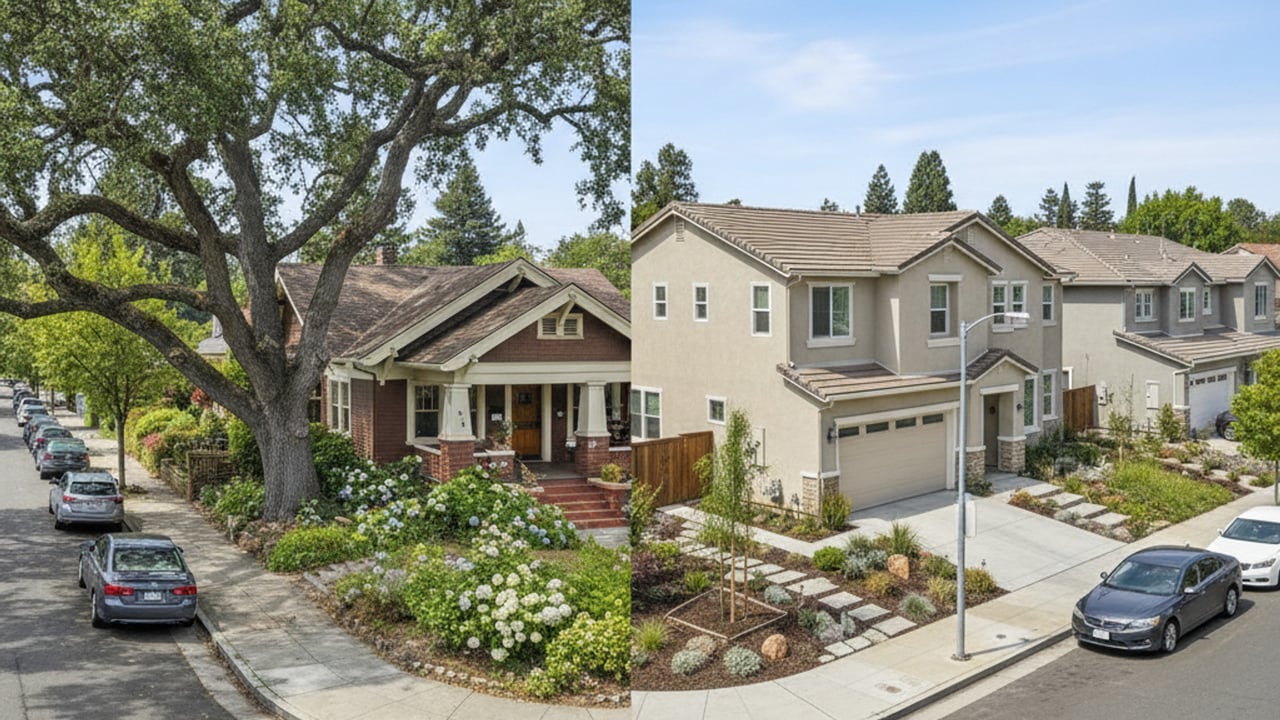
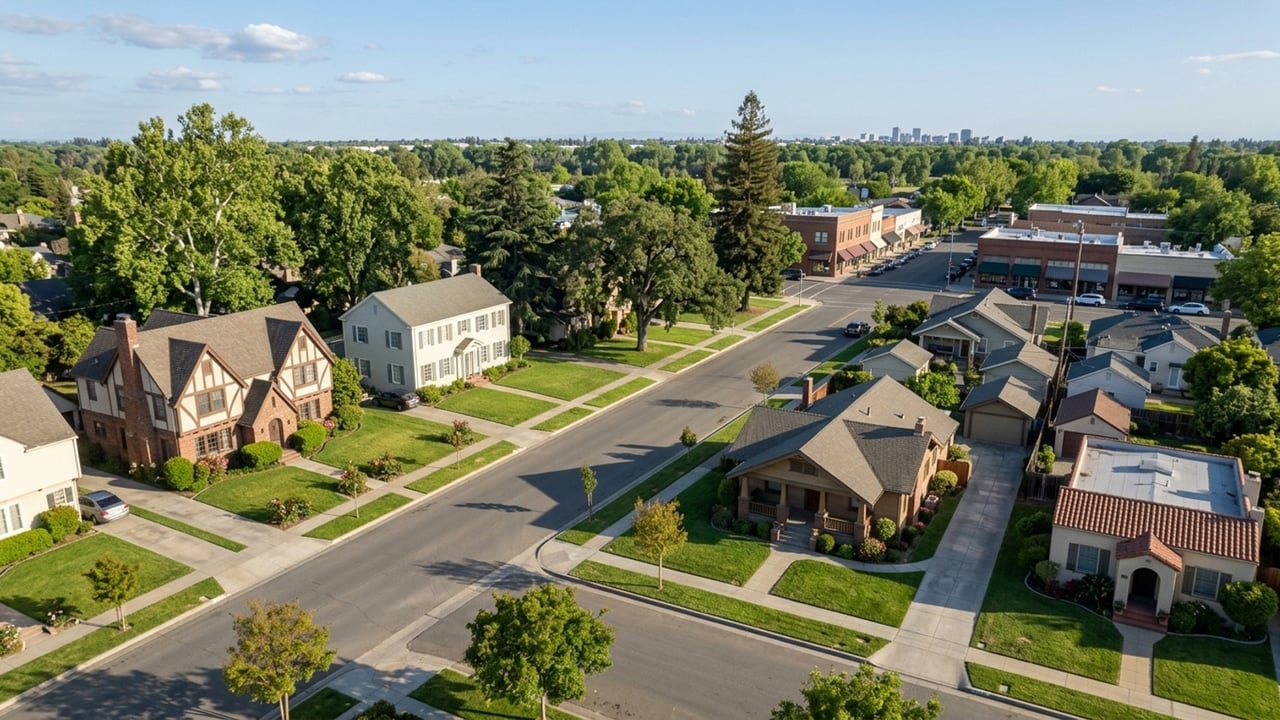
The geographic layout of these two areas dictates much of their distinct character. East Sacramento sits immediately east of Midtown Sacramento and Downtown Sacramento, featuring mature oak trees and an established street grid that dates back over a century. Natomas is located to the north and northwest of the urban center, divided generally into North and South Natomas, and is defined by modern suburban planning.
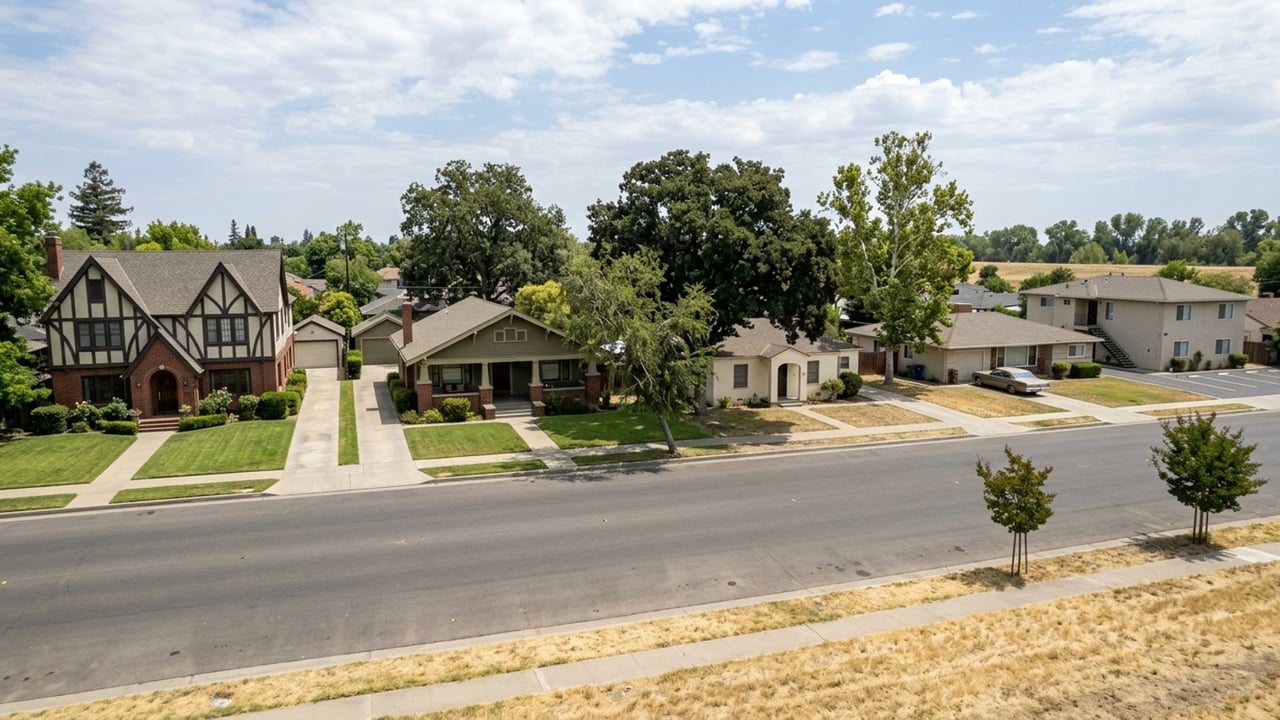
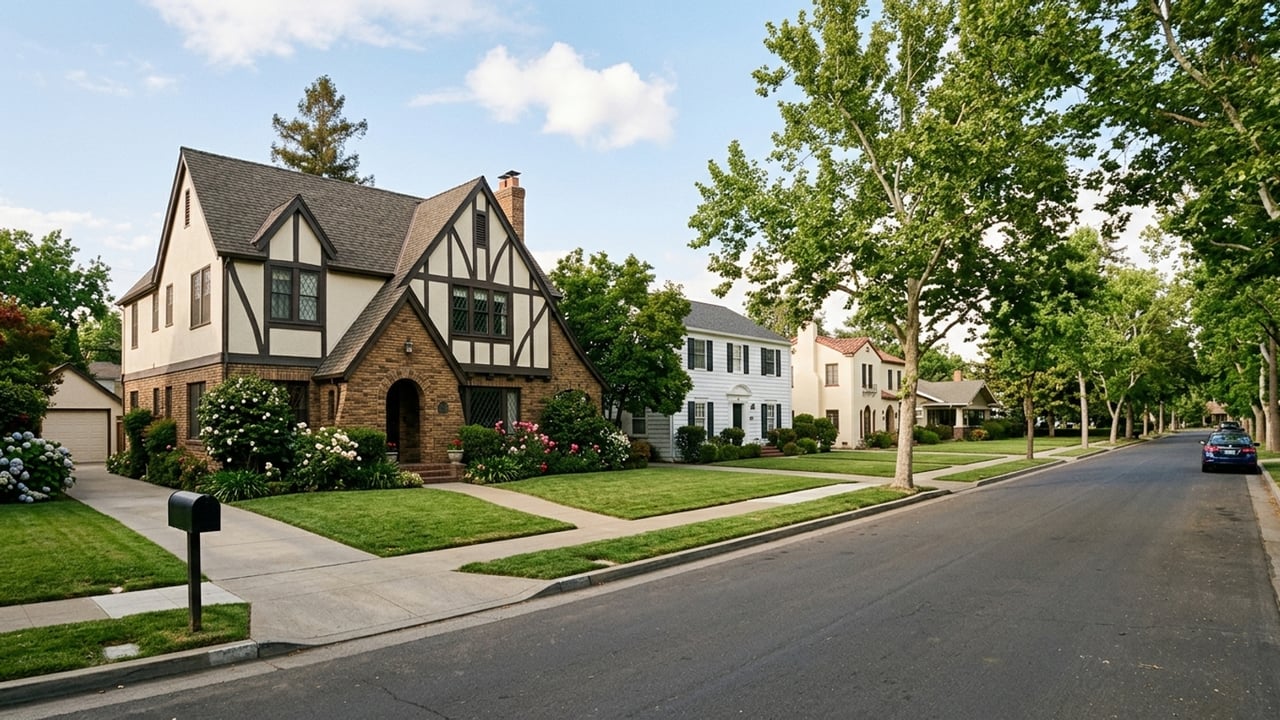
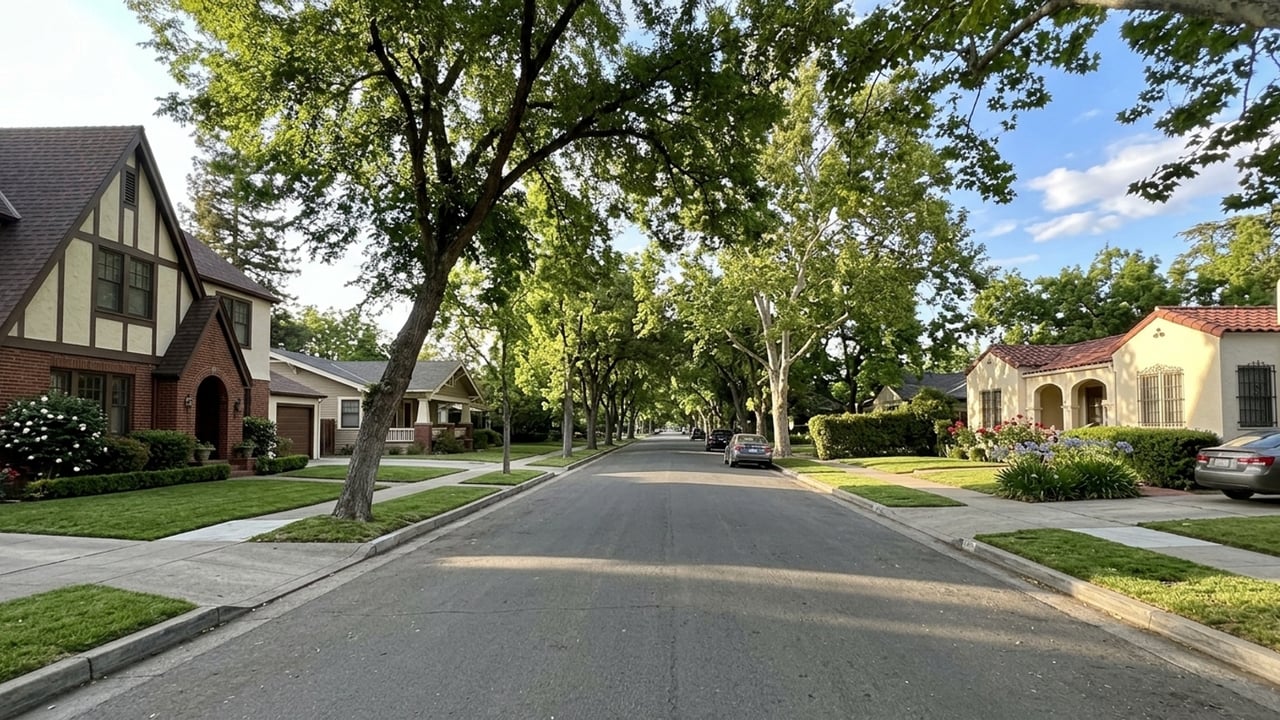
Living in East Sacramento means navigating narrow, tree-lined streets where historic architecture dominates the visual landscape. The area is heavily integrated into the central city, offering high walkability and immediate access to established commercial corridors. In contrast, Natomas offers a master-planned environment with wider roads, newer infrastructure, and dedicated commercial centers.
General cost of living factors heavily into this neighborhood comparison as of 2026. East Sacramento commands a premium for its central location and historic preservation, resulting in higher baseline property costs and property tax assessments. Natomas provides a more accessible entry point for buyers, though residents often factor in additional costs like homeowner association dues and special assessment taxes.
The definitive takeaway here is that buyers must choose between paying a premium for historic, walkable charm or maximizing their square footage in a newer suburb. Natomas clearly wins on space, while East Sacramento wins on character.
Real estate values in these two areas reflect their differing ages and development styles. In 2026, the median home price in East Sacramento hovers between approximately $725,000 and $735,000. This market is famous for its classic California bungalow designs, Tudor revivals, and the expansive luxury estates found in the Fabulous Forties.
The Natomas housing market offers a stark contrast in both price and architectural style. Median prices here currently range from roughly $480,000 to $614,000, depending on whether you are looking in the older sections of South Natomas or the newer builds in North Natomas. Buyers will primarily find tract homes, contemporary stucco builds, and large master-planned subdivisions.
Lot sizes and community structures also vary significantly between the two locations. East Sacramento properties generally feature smaller, denser lots that maximize the use of space in a highly developed urban grid. Natomas properties often provide larger suburban parcels, but many of these neighborhoods are governed by homeowner associations.
From a purchasing perspective, buyers get substantially more interior living space in Natomas for the same budget. However, they sacrifice the unique architectural details and absence of HOA oversight found in East Sacramento.
Transportation logistics are a major factor for buyers working in the central business district or at nearby institutions like California State University, Sacramento. East Sacramento borders the downtown grid directly, making it one of the most commuter-friendly locations in the region. Driving from the center of East Sacramento to the State Capitol takes roughly 5 to 15 minutes, depending on the exact starting point and traffic lights.
The commute from Natomas relies heavily on major highway systems rather than surface streets. Residents utilize I-5 and I-80 to travel south into the city, which also provides direct access to the Sacramento International Airport. Driving from Natomas to Downtown Sacramento typically takes 10 to 25 minutes, with North Natomas residents experiencing the longer end of that spectrum during peak rush hour.
Public transit accessibility serves both areas, though in different capacities. East Sacramento benefits from established Sacramento Regional Transit bus lines and proximity to light rail stations that connect the eastern suburbs to the urban core. Natomas commuters also have access to regional bus routes, though the area is largely designed around personal vehicle use.
If a minimal, surface-street commute is your priority, East Sacramento is the undisputed winner. Conversely, Natomas requires navigating highway traffic bottlenecks during morning and evening rush hours.
Both neighborhoods offer robust recreational spaces, but their commercial and outdoor amenities cater to different daily routines. East Sacramento is anchored by McKinley Park, known for its extensive rose garden, jogging paths, and community center. The area is highly walkable, allowing residents to stroll from their bungalow to boutique independent restaurants, local coffee shops, and specialized grocery stores.
Natomas approaches recreation and commerce on a much larger, suburban scale. The area features the expansive North Natomas Regional Park, numerous community swimming pools, and direct access to the paved trails of the American River Parkway. Discovery Park sits near South Natomas, providing major boat launches and access to the Sacramento River.
Shopping and dining in Natomas are concentrated in large commercial plazas rather than integrated into residential blocks. Residents rely on major shopping centers that house national retail chains, large supermarkets, and recognizable restaurant franchises. This layout means most daily errands require a short drive rather than a walk down the street.
Buyers who value walking to a corner cafe will typically prefer the layout of East Sacramento. Those who want immediate access to big-box retail and expansive regional parks will find Natomas more accommodating.
Understanding local educational boundaries is a crucial step in the homebuying process. Properties in East Sacramento fall under the jurisdiction of the Sacramento City Unified School District. This established district covers a massive portion of the central city and features some of the oldest educational facilities in the region.
Homes located in both North and South Natomas are zoned for the Natomas Unified School District. This district has grown significantly alongside the suburban expansion of the area, resulting in many newer campus facilities. The boundaries are strictly defined by the geographic layout of the Natomas basin.
Prospective buyers should always verify specific zoning before submitting an offer on a property. School boundaries can shift, and living near a specific campus does not guarantee enrollment at that location. Your real estate agent can confirm the exact district assignments using the local MLS or county tax records.
District boundaries directly impact property taxes and long-term resale value. Buyers should independently map out the school zoning for any specific address rather than making assumptions based on the general neighborhood.
Yes, East Sacramento commands significantly higher real estate prices than Natomas. In 2026, the median home price in East Sacramento is approximately $725,000, driven by its historic architecture and central location. Natomas offers a more accessible median price point near $480,000 to $614,000.
The drive from Natomas to the downtown grid typically takes between 10 and 25 minutes. This timeframe depends heavily on whether you are leaving from North or South Natomas. Rush hour traffic on I-5 can significantly impact these estimates during peak morning and evening hours.
Homeowner association fees are very common throughout the master-planned communities of Natomas. These monthly dues often cover the maintenance of shared amenities like neighborhood parks and community swimming pools. In contrast, HOA fees are extremely rare in the historic, established blocks of East Sacramento.
Stay up to date on the latest real estate trends.
Curtis Park
Upper Land Park
Land Park CA
Land Park CA
Upper Land Park
Curtis Park
Land Park CA
East Sacramento
Your real estate goals are within reach, and we’re here to be your guide. Whether you’re searching for your first home, looking to build your investment portfolio, or ready to maximize the sale of your property, MegaBliss Real Estate will provide the support, expertise, and dedication you need to reach your goals.
Get In Touch With Our Team To Learn More
730 I Street, Suite 200 Sacramento CA 95814 Melissa Allman | CA DRE# 01397300