Relocating to California: The True Cost of Living in East Sacramento CA in 2026
East Sacramento
East Sacramento
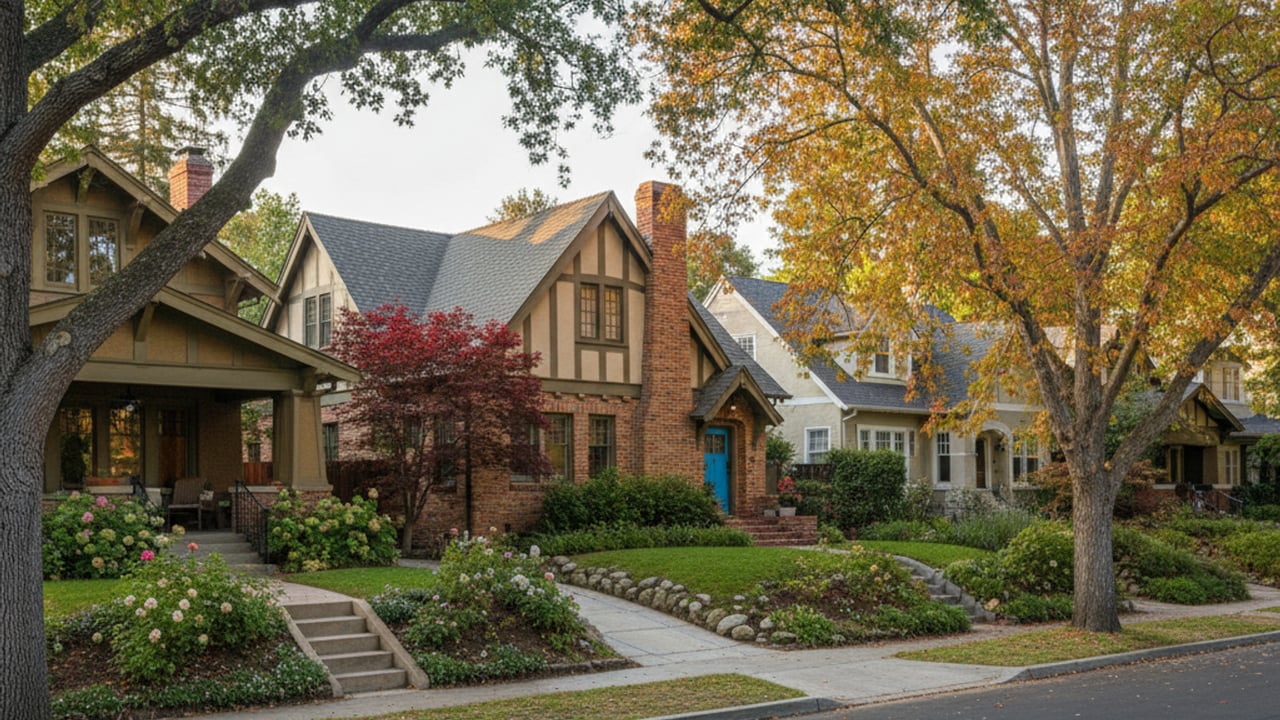
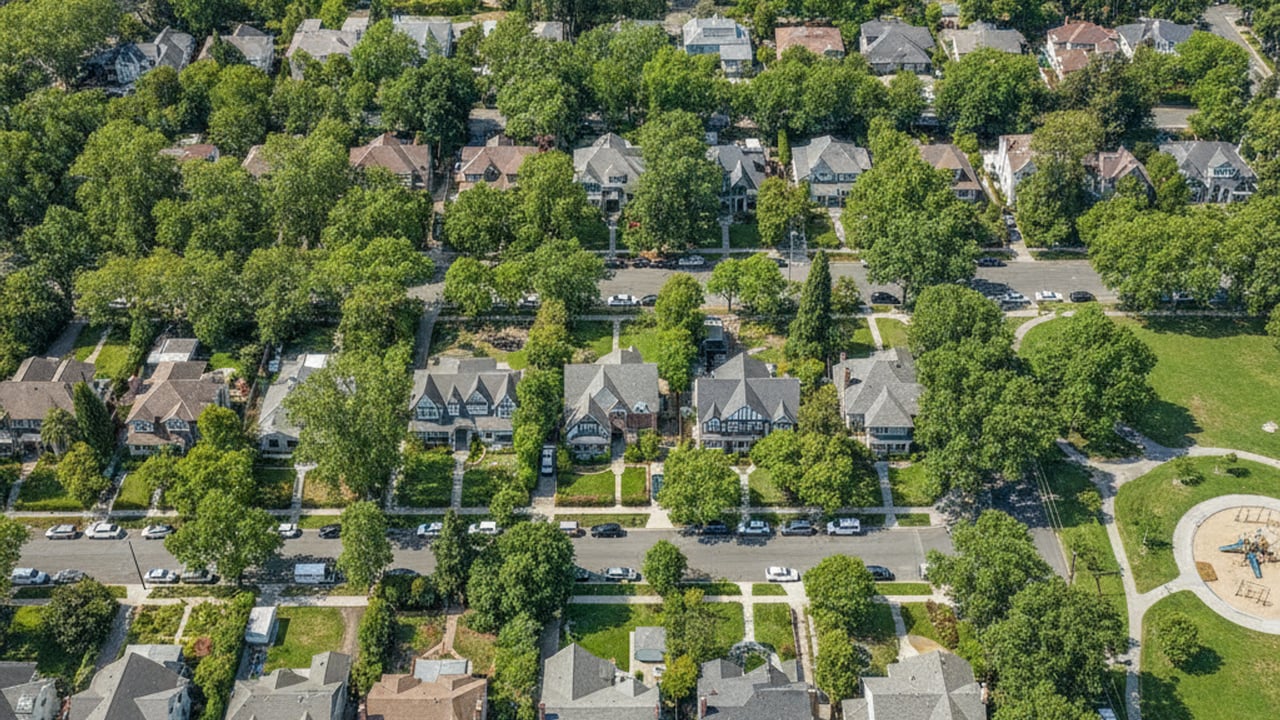
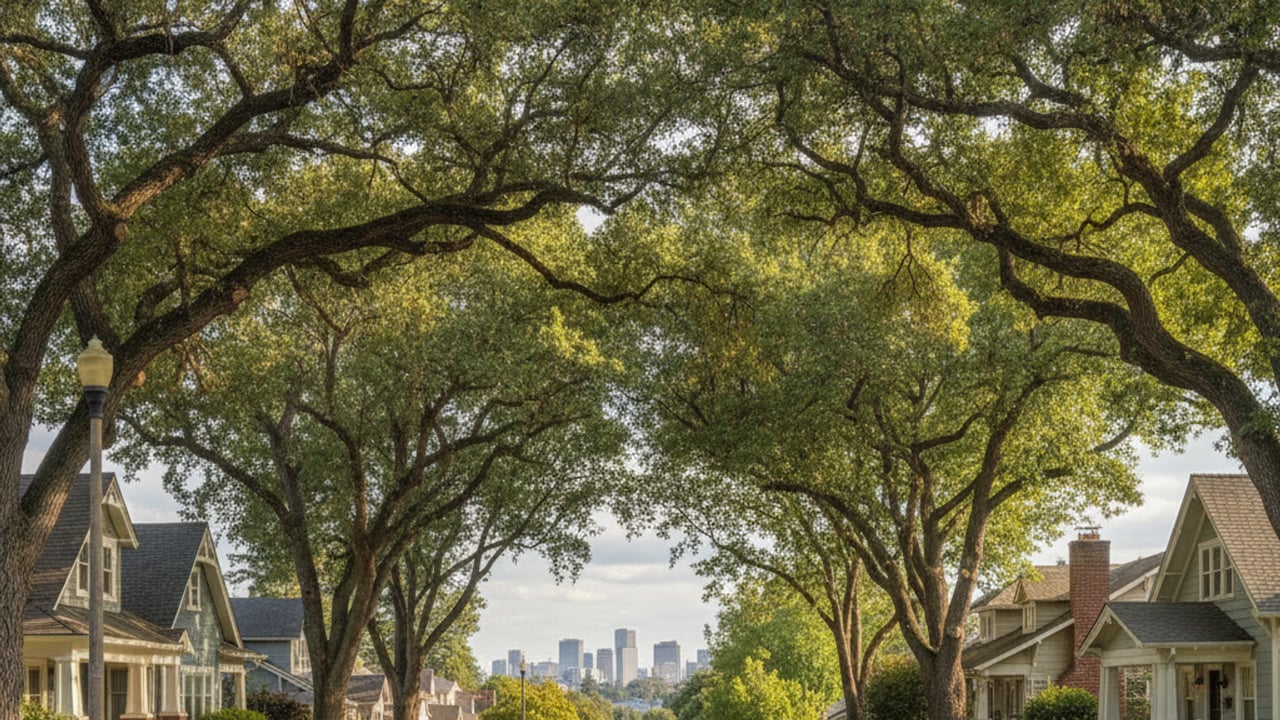
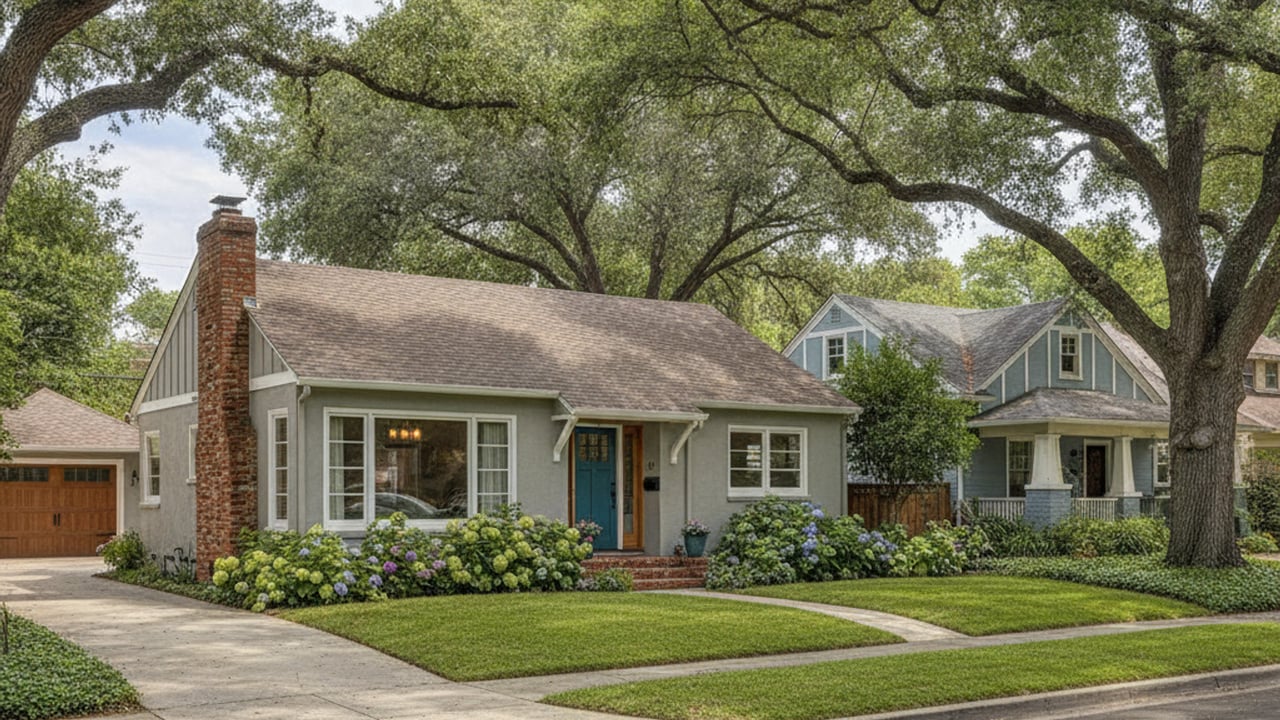
East Sacramento represents one of the most established and recognizable residential districts in the state capital. Characterized by its tree-lined streets and historic architecture, the area commands a premium in the local real estate market. Buyers and renters evaluating a move here need to understand exactly how local expenses stack up against broader state and national averages.
Navigating the financial realities of this neighborhood requires looking beyond just the sticker price of homes. Understanding the complete cost of living in East Sacramento CA ensures you can confidently plan your budget for 2026 and beyond.
The overall cost of living in Sacramento sits roughly 17% to 24% higher than the national average, and East Sacramento represents the higher end of that local spectrum. While this might seem steep compared to the Midwest or South, it remains significantly cheaper than coastal California hubs like San Francisco. Buyers relocating from the San Francisco Bay Area often find their purchasing power stretches much further here.
This local cost index breaks down unevenly across different categories like housing, utilities, and transportation. Housing undeniably drives the bulk of the expense, pulling the neighborhood's overall affordability metric upward. However, specific daily costs like municipal utilities remain highly competitive for the state, helping to balance the monthly budget.
Anyone evaluating this market will find that the financial environment is most viable for those who prioritize long-term property appreciation over immediate bargain hunting. The initial entry price is substantial, but the steady demand and lower ancillary costs create a sustainable financial picture for buyers.
The housing market in this neighborhood is highly competitive, largely driven by state workers and Bay Area transplants seeking lower density without sacrificing urban convenience. As of early 2026, the median home price in East Sacramento ranges from approximately $725,000 to $778,000. These figures reflect a robust demand for the historic single-family homes that define the area.
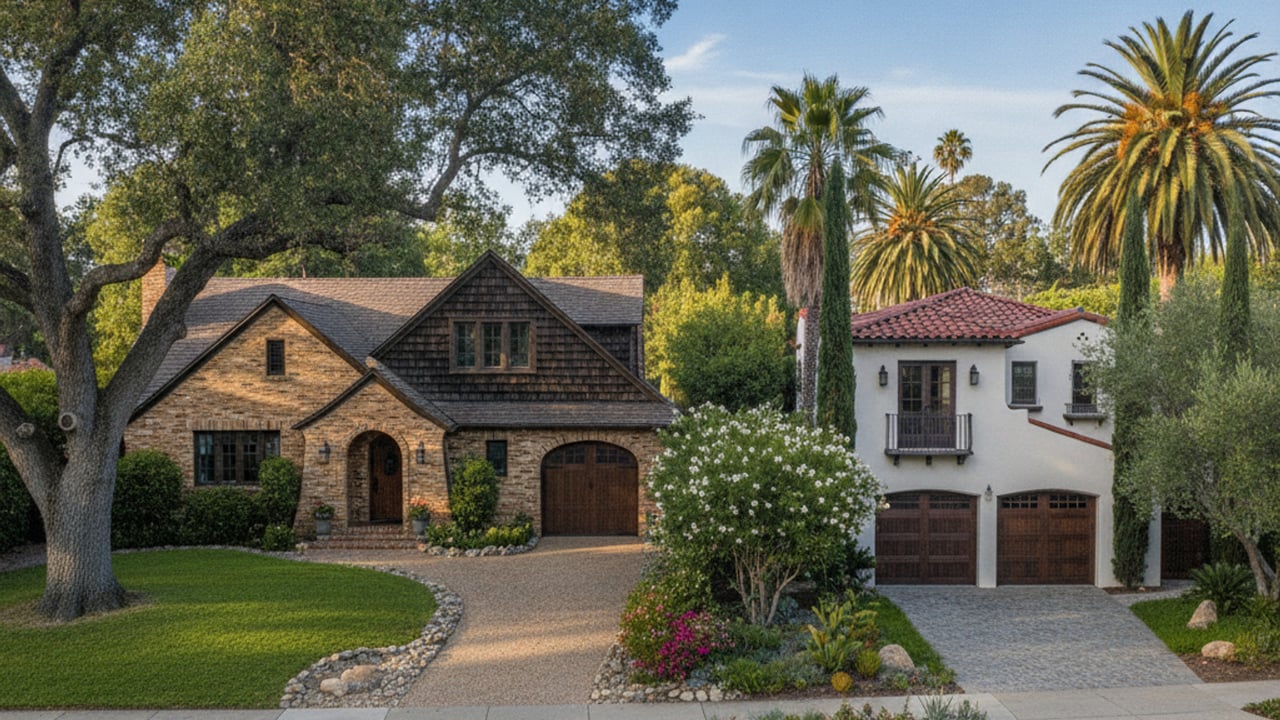
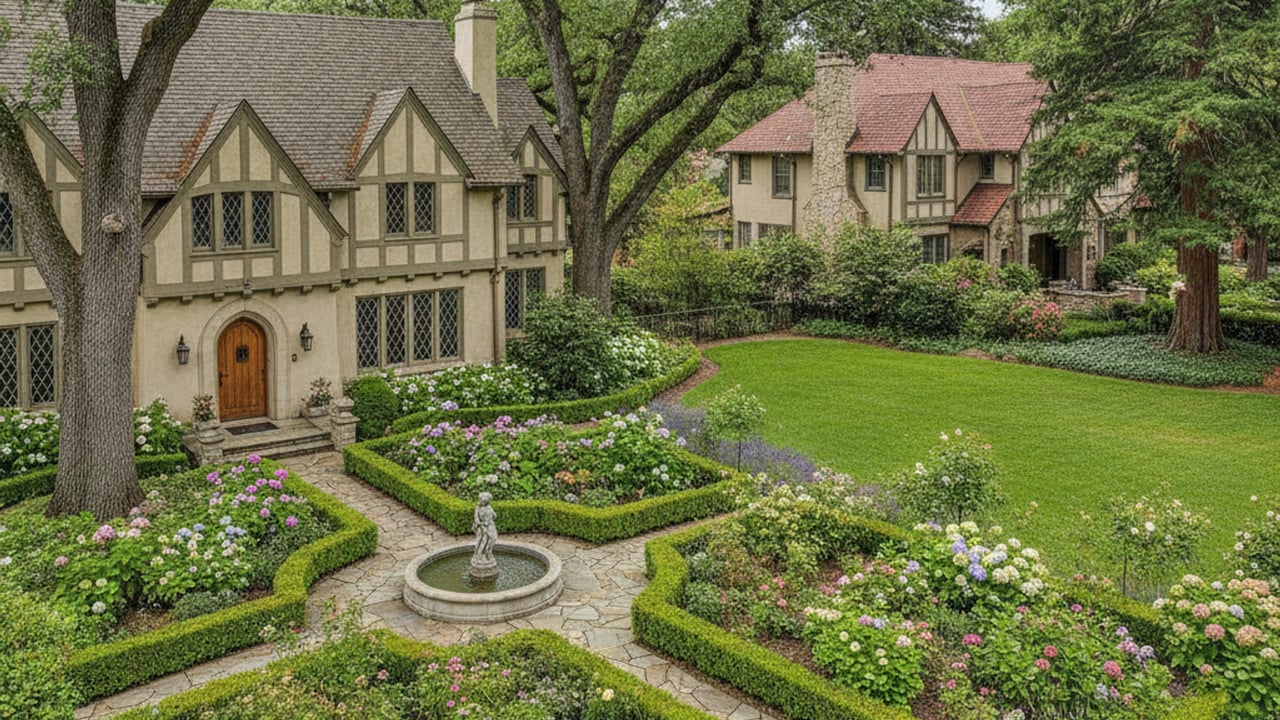
Buyers can expect the average price per square foot to sit around $568, though this fluctuates based on the exact street and property condition. Housing stock typically consists of early-to-mid-20th-century bungalows, Tudor revivals, and custom builds that have been meticulously maintained. Properties requiring significant updates will fall on the lower end of the pricing spectrum, while fully renovated homes command top dollar.
Property values peak near highly sought-after enclaves, specifically the renowned Fab Forties. Homes in these specific blocks often exceed the neighborhood median by a wide margin, reflecting the premium placed on larger lots and historic provenance. For buyers, securing a home in this district requires aggressive market monitoring and a readiness to act swiftly when inventory appears.
The rental market provides an alternative entry point for those not quite ready to purchase a home in the area. Average rent for a one-bedroom apartment roughly spans from $1,522 to $1,832 per month, while renting a three-bedroom house averages around $3,000.
Renters have access to a variety of property types scattered throughout the neighborhood. Inventory includes older, charming duplexes integrated into residential blocks, as well as modern multi-unit buildings situated closer to the main commercial corridors. This mix ensures that prospective tenants can choose between historic charm and contemporary amenities.
When comparing these rental prices to nearby Midtown and Downtown submarkets, East Sacramento generally requires a higher monthly outlay for single-family rentals, while apartment rates remain relatively comparable. Given current property values and interest rates, renting here often presents a lower immediate monthly cost compared to a new mortgage. It serves as a practical way to experience the neighborhood before committing to a substantial real estate purchase.
One of the most significant financial advantages of living in this area is access to the Sacramento Municipal Utility District, commonly known as SMUD. For 2026, the average residential SMUD electric bill sits around $149 for 750 kilowatt-hours of usage, which is roughly 50% lower than neighboring Pacific Gas and Electric territories.
While electricity is handled by the municipal district, natural gas is still supplied by PG&E, meaning residents will manage two separate energy bills. Gas expenses fluctuate seasonally, peaking during the brief but chilly winter months when older homes require more heating. Water, sewer, and trash collection are billed directly through the City of Sacramento and generally remain consistent year-round.
Grocery expenses align with the broader California average, with residents having access to multiple local supermarket chains and specialty grocers. The neighborhood is also famous for its farm-to-fork dining options concentrated along J Street and Folsom Boulevard. While dining out adds to discretionary spending, the proximity to high-quality local produce can help balance the weekly grocery budget.
Transportation expenses in this neighborhood are heavily influenced by its centralized location and excellent connectivity. Downtown Sacramento is approximately four miles away, making for a short 10 to 15-minute driving commute under normal traffic conditions. The area offers immediate access to major thoroughfares like US-50 and Business 80, streamlining travel to other parts of CA.
For those who prefer public transit, the neighborhood is serviced by several Sacramento Regional Transit bus routes and nearby light rail stations. Utilizing these options can significantly reduce daily commuting costs and eliminate the need for expensive downtown parking permits. A monthly transit pass offers a predictable transportation expense for daily commuters.
The area also boasts high walkability and bikeability, particularly near the Fab Forties and McKinley Park. Many residents find they can complete daily errands or reach local restaurants without starting their cars. This centralized, accessible layout ultimately reduces overall household transportation and gas expenses compared to living in the distant suburbs.
Understanding the local tax structure is critical for anyone finalizing their housing budget in CA. The base California property tax rate is 1% of the assessed value, but local voter-approved bonds and direct levies increase this figure. In Sacramento County, the total effective property tax rate typically ranges from 1.1% to 1.25%.
Property tax assessments in the state are calculated based on the purchase price of the home rather than fluctuating market values. Thanks to established state legislation, the assessed value can only increase by a maximum of 2% per year unless the property changes hands or undergoes major construction. This provides homeowners with highly predictable long-term tax obligations.
Beyond property taxes, residents must account for sales and income taxes in their daily financial planning. The current combined sales tax rate for the city of Sacramento is 8.75%, which applies to most retail purchases excluding groceries. Additionally, California employs a progressive state income tax structure that requires careful consideration for high earners moving from states with lower income tax burdens.
The premium real estate prices in the area are directly supported by a robust collection of local amenities and institutions. McKinley Park serves as a central anchor, offering a renowned rose garden, running trails, and community spaces that heavily influence nearby property values.
Commercial and dining corridors along J Street and Folsom Boulevard provide essential retail access without requiring residents to leave the neighborhood. These streets feature a dense concentration of local businesses, coffee shops, and medical offices. The convenience of having these services embedded within a residential district is a major driver of local real estate demand.
The neighborhood also benefits from objective proximity to major healthcare facilities, specifically Mercy General Hospital, which sits directly within its borders. Furthermore, the area is incorporated into the Sacramento City Unified School District, providing established educational infrastructure. These permanent institutional features ensure the location maintains its long-term market stability.
A livable salary depends heavily on whether you plan to rent or purchase a home. To comfortably afford the median home price of $725,000 while adhering to the standard 30% rule for housing, a household income exceeding $180,000 is generally recommended. Renters can manage the area's costs more comfortably on a household income closer to $90,000, assuming average apartment rates.
Yes, East Sacramento generally carries a higher median home price than neighboring Midtown. This price difference is driven by the housing stock, as East Sacramento primarily offers larger single-family homes on traditional lots. Midtown features denser, multi-family housing and smaller condominium inventory, making it slightly more accessible for first-time buyers and renters.
Stay up to date on the latest real estate trends.

Land Park CA
Land Park CA
Land Park CA
Land Park CA
Land Park CA
Land Park CA
Your real estate goals are within reach, and we’re here to be your guide. Whether you’re searching for your first home, looking to build your investment portfolio, or ready to maximize the sale of your property, MegaBliss Real Estate will provide the support, expertise, and dedication you need to reach your goals.
Get In Touch With Our Team To Learn More
1007 7th St Ste 400 Sacramento CA 95814 Melissa Allman | CA DRE# 01397300