East Sacramento vs Curtis Park CA: Comparing Historic Homes and Amenities in 2026
East Sacramento
East Sacramento
Buyers looking at Sacramento real estate often find themselves choosing between two of the city's most established areas. Comparing East Sacramento vs Curtis Park CA requires looking past the mature tree canopies to understand the distinct differences in housing stock, lot sizes, and daily transit patterns. Both locations offer a classic architectural feel that contrasts sharply with the newer subdivisions found in the surrounding suburbs.
As of early 2026, both of these historic districts command a premium within the broader Sacramento market. Choosing the right fit depends entirely on whether a buyer prioritizes immediate highway connectivity, specific commercial corridors, or fast access to the American River. The decision ultimately comes down to matching specific property features and neighborhood layouts with your daily routine.
The housing markets in both areas have remained tightly aligned over the past few years, reflecting their shared status as highly sought-after historic districts. Entering the spring 2026 market, median home prices in both East Sacramento and Curtis Park hover between $730,000 and $790,000. These figures sit notably higher than the broader Sacramento median, driven by limited inventory and the preservation of original architectural details.
Buyers must also factor in California property taxes when calculating monthly carrying costs. Under Proposition 13, the base property tax rate is 1.0%, but buyers should expect an effective rate closer to 1.2% to 1.5% once local bonds and district assessments are applied. From an investment perspective, Curtis Park often delivers a slightly better value per square foot, as East Sacramento properties carry a premium for their historically larger lot sizes.
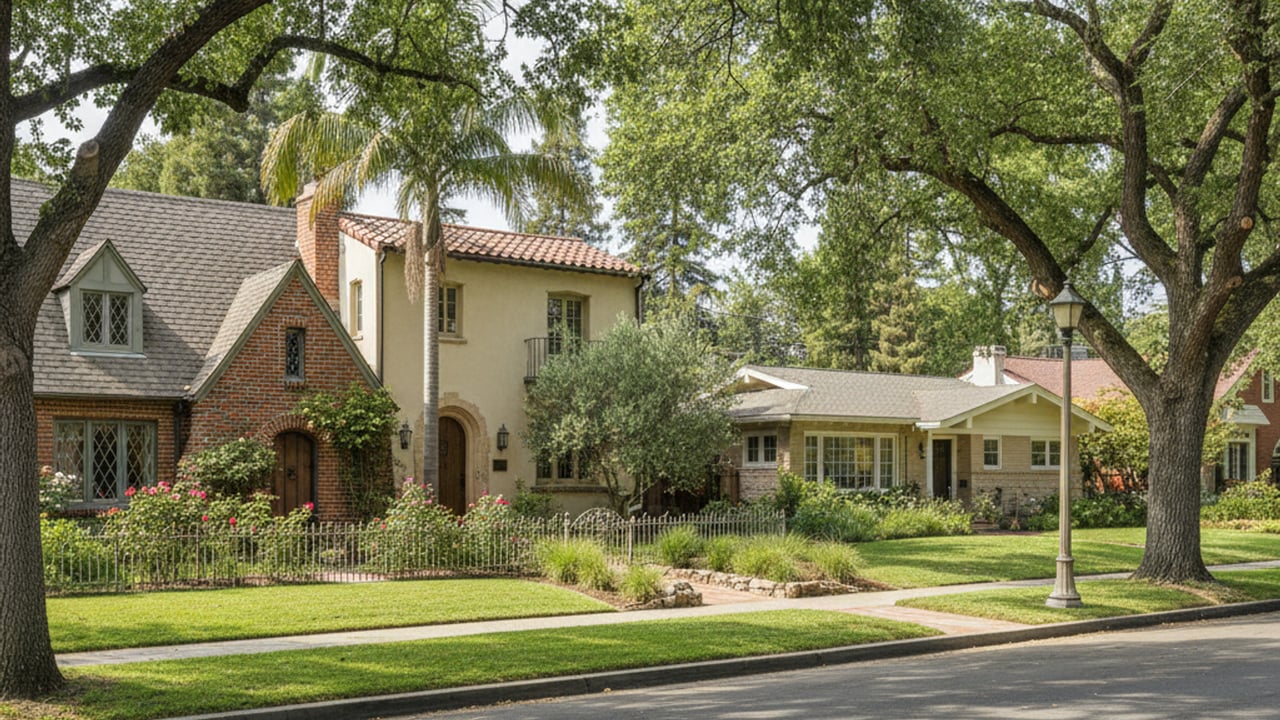
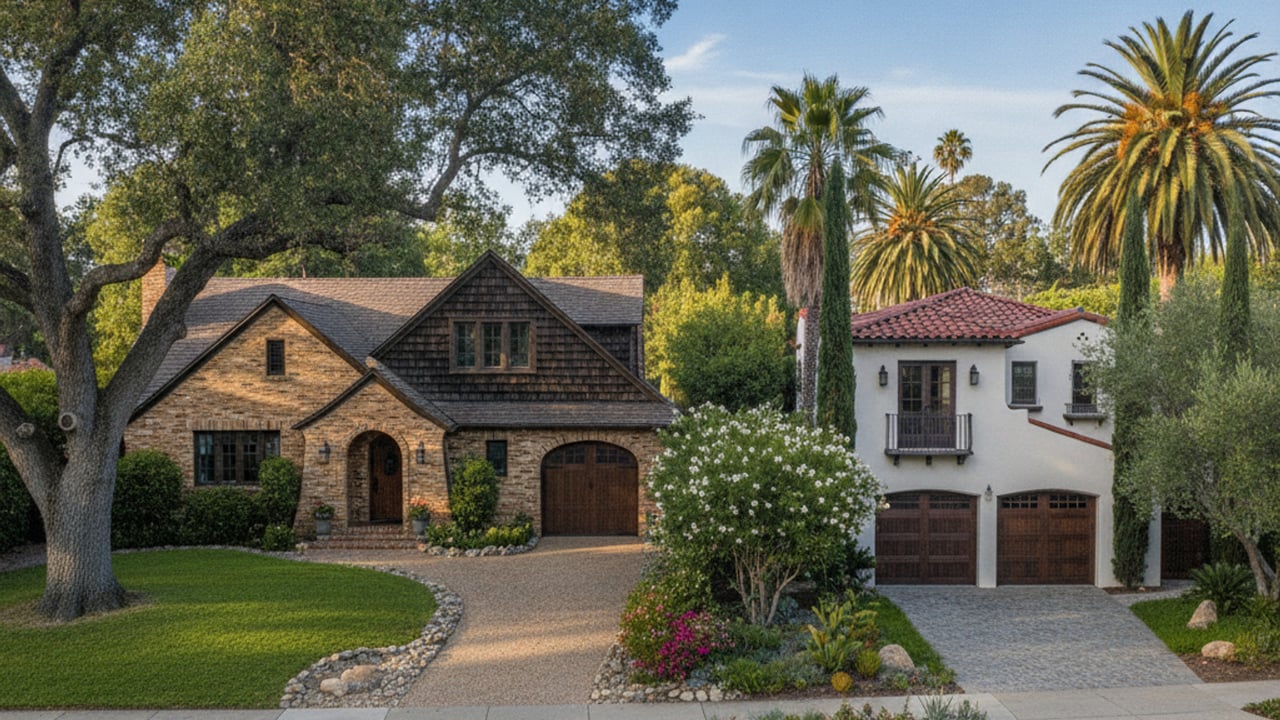
Spanning zip codes 95816 and 95819, East Sacramento is defined by its expansive residential lots and varied custom builds. The most famous enclave is the Fab Forties, where massive estates sit on wide, heavily shaded streets. Beyond these grand properties, the area features a mix of English cottages, Mediterranean revivals, and mid-century ranch homes.
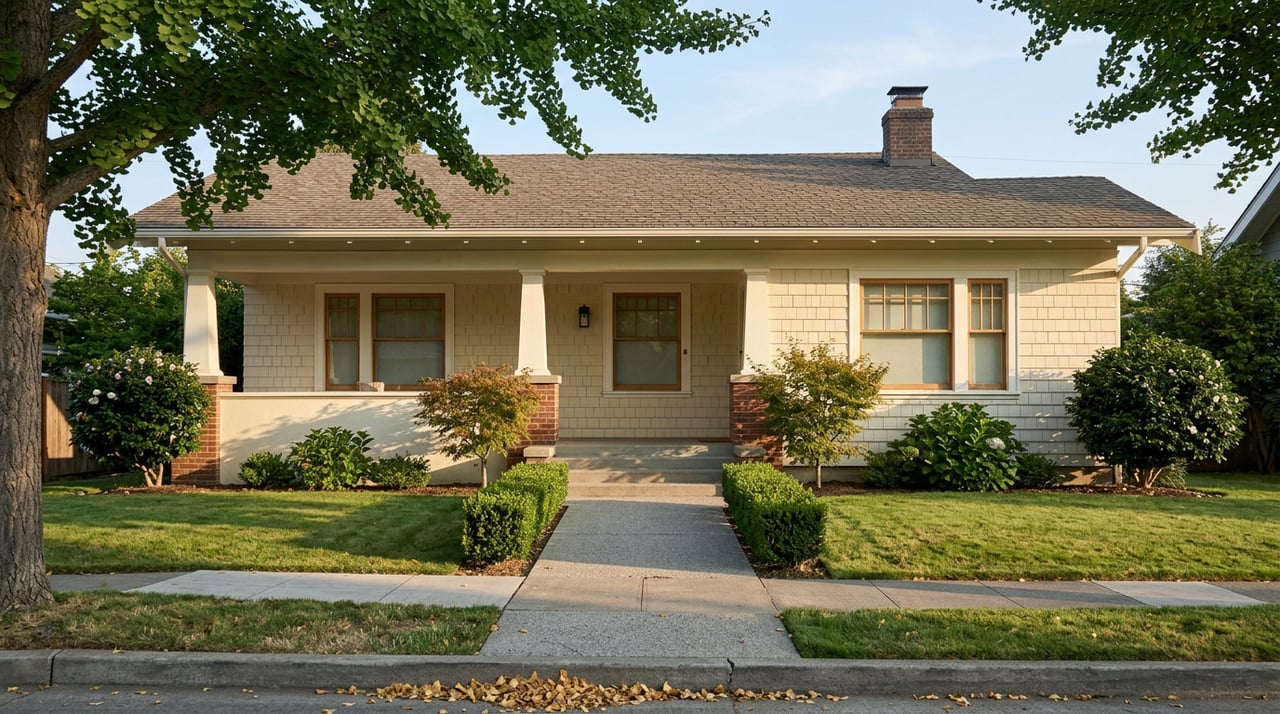
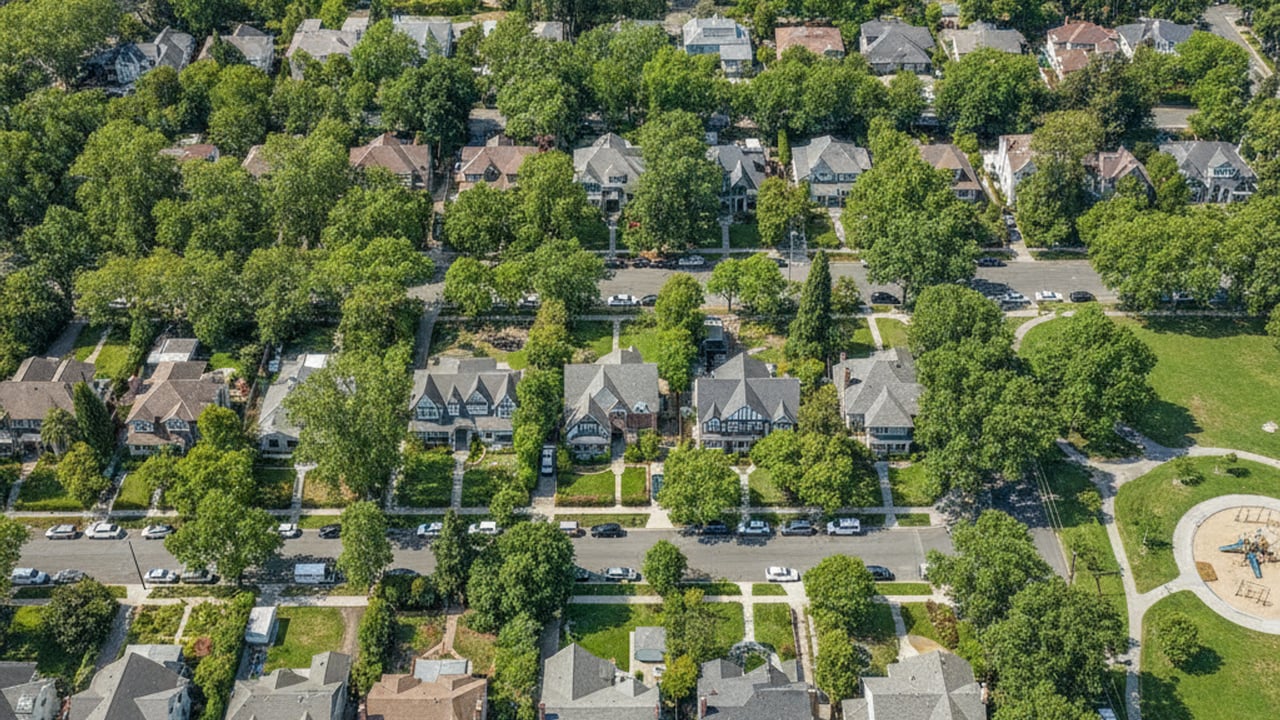
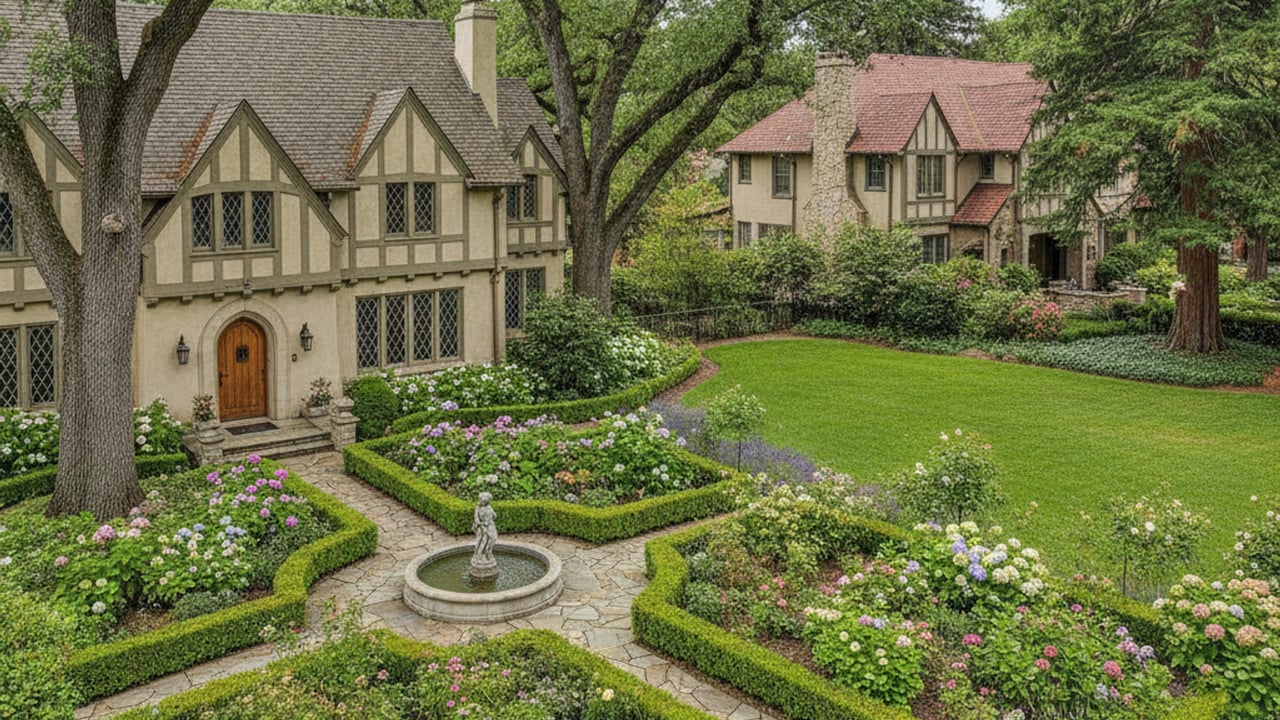
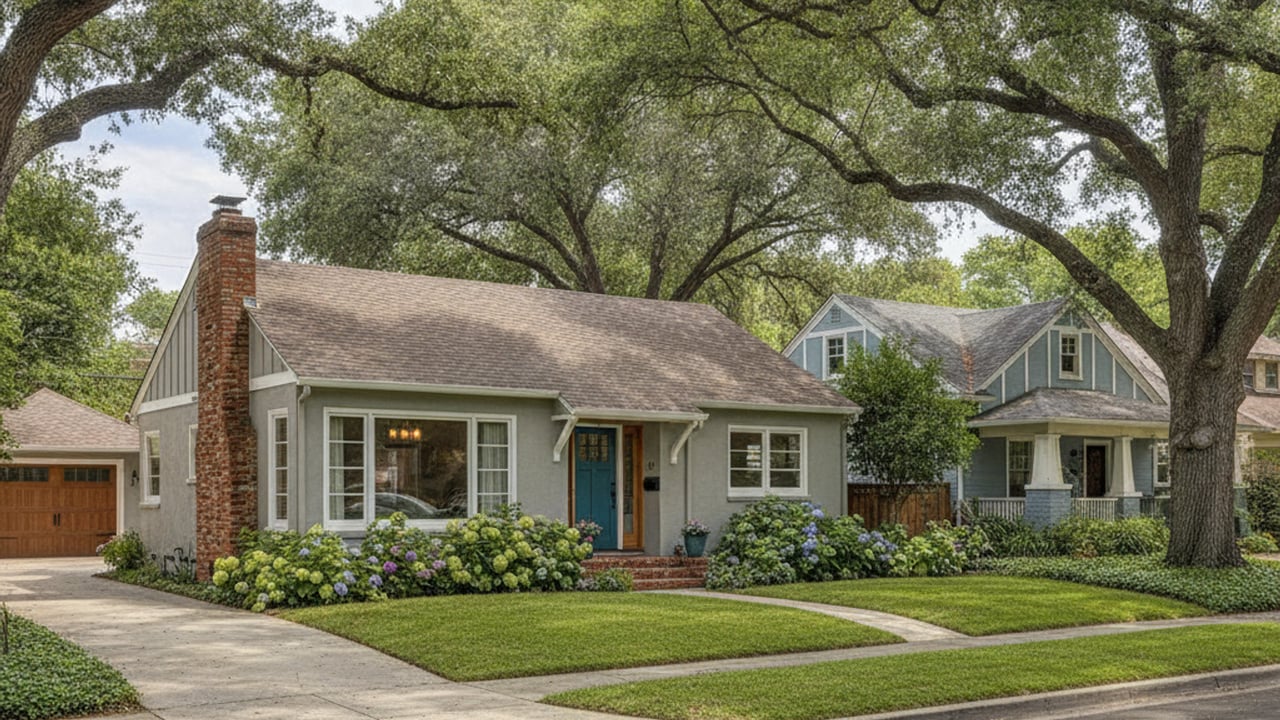
Located within the 95818 zip code, Curtis Park offers a more uniform architectural aesthetic compared to its eastern counterpart. The housing inventory here is heavily dominated by 1920s American Craftsman bungalows and classic Tudor Revival architecture. These homes typically sit on slightly more compact lots, creating a dense, highly walkable streetscape centered around the neighborhood's namesake green space.
Transportation infrastructure is a major dividing line between these two locations. Downtown Sacramento is an approximate 10 to 15-minute drive from either neighborhood under normal traffic conditions. Both areas also provide excellent proximity to the UC Davis Medical Center, making them highly practical choices for healthcare professionals working at the main campus.
When it comes to regional travel, East Sacramento offers a strictly faster highway commute for anyone heading toward Folsom or the Sierra foothills. The neighborhood borders a major east-west corridor, allowing drivers to bypass the downtown interchange entirely. Curtis Park residents, meanwhile, have a more direct route for north-south travel through the Central Valley.
Highway 50 serves as the primary artery for East Sacramento, providing immediate access for eastbound commuters. Conversely, Curtis Park sits directly adjacent to Highway 99, which connects drivers quickly to the southern suburbs and beyond.
Public transit riders have distinct options depending on their location. East Sacramento utilizes the Sacramento Regional Transit District Gold Line, while Curtis Park is served by the Blue Line. Both light rail routes offer reliable service directly into the downtown core and connect to the broader regional transit network.
Green spaces anchor both of these historic districts, though they serve their surrounding residents in very different ways. McKinley Park acts as the primary recreational hub for East Sacramento, featuring a renowned rose garden, a popular jogging trail, and extensive picnic areas. William Curtis Park takes a different approach, offering a long, central green space flanked by tennis courts and a running track that essentially bisects the neighborhood.
Comparing the two, William Curtis Park offers a more cohesive, integrated neighborhood layout, as the homes directly face the park to create a shared front yard atmosphere. McKinley Park operates more as a regional destination that draws visitors from across the city. Both parks heavily influence the walkability and daily routines of the residents living nearby.
East Sacramento features robust commercial corridors along J Street and Folsom Boulevard. These streets are packed with independent coffee shops, craft breweries, and upscale dining options, alongside multiple grocery stores. Residents can easily walk or bike to handle most daily errands without leaving the neighborhood footprint.
Curtis Park relies heavily on its proximity to the Broadway dining corridor for commercial amenities. While the immediate residential streets are quieter, the Broadway edge provides immediate access to historic theaters, international restaurants, and local cafes. The commercial density is slightly lower than East Sacramento, but it remains highly accessible for daily needs.
Both neighborhoods fall under the jurisdiction of the Sacramento City Unified School District for primary and secondary public education. Buyers evaluating the area will find several prominent public and private educational facilities located within or immediately adjacent to East Sacramento. This includes a mix of established elementary campuses and specialized charter programs.
Curtis Park shares a similar profile, with access to several historic public schools and private institutions located just outside its borders. Beyond K-12 education, both areas sit near major higher education hubs. East Sacramento borders California State University, Sacramento, while Curtis Park is positioned just north of Sacramento City College.
For real estate investors, the proximity to these higher-education campuses makes both neighborhoods incredibly stable choices for long-term rental holds. The constant influx of faculty and staff associated with both the universities and the nearby UC Davis Medical Center provides a permanent baseline of housing demand.
Most single-family homes in these historic neighborhoods do not belong to a homeowners association. Buyers will not typically pay monthly HOA fees unless they purchase within a newer infill development or a specific condo complex. This lack of broad association dues helps offset the slightly higher initial purchase prices found in these areas.
East Sacramento is geographically much closer to the American River and its associated greenbelts. Residents here have fast, direct access to the American River Bike Trail, which offers 32 miles of paved paths. Curtis Park is located further inland, requiring a short drive to reach the riverfront recreation areas.
Stay up to date on the latest real estate trends.

Land Park CA
Land Park CA
Land Park CA
Land Park CA
Land Park CA
Land Park CA
Your real estate goals are within reach, and we’re here to be your guide. Whether you’re searching for your first home, looking to build your investment portfolio, or ready to maximize the sale of your property, MegaBliss Real Estate will provide the support, expertise, and dedication you need to reach your goals.
Get In Touch With Our Team To Learn More
1007 7th St Ste 400 Sacramento CA 95814 Melissa Allman | CA DRE# 01397300