History of Land Park in Sacramento, CA: Key Landmarks
Land Park CA
Land Park CA
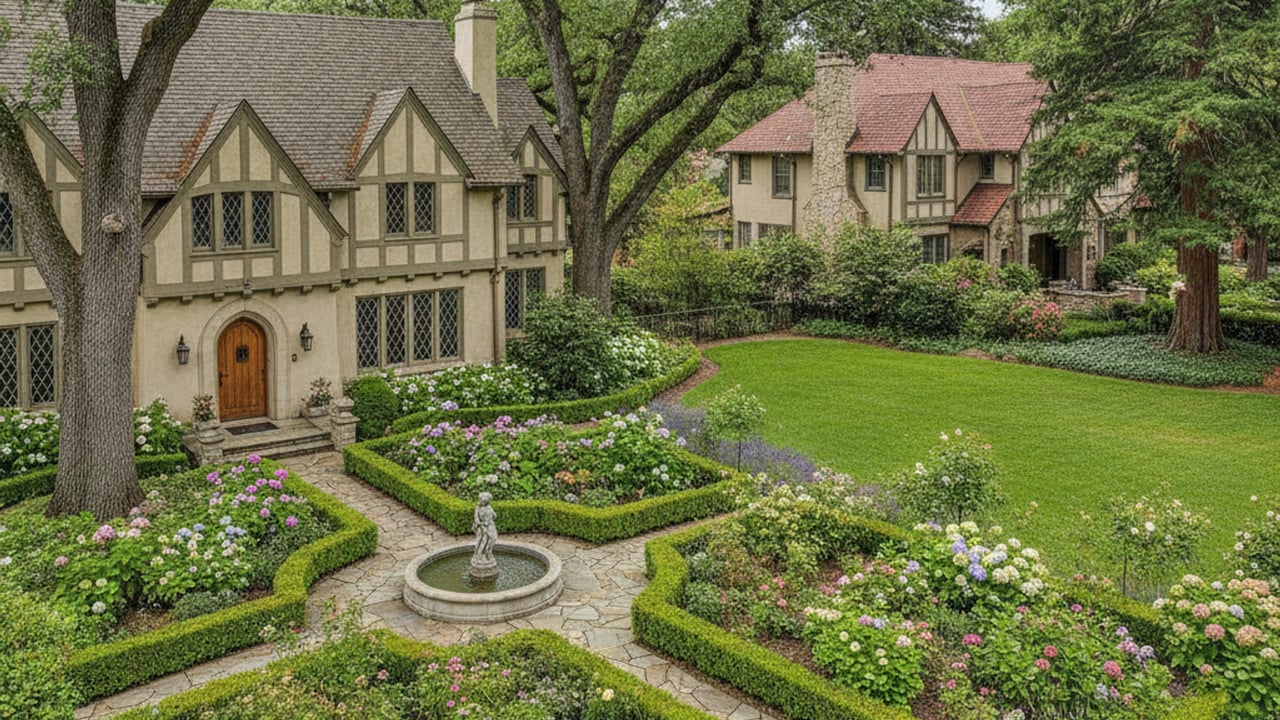
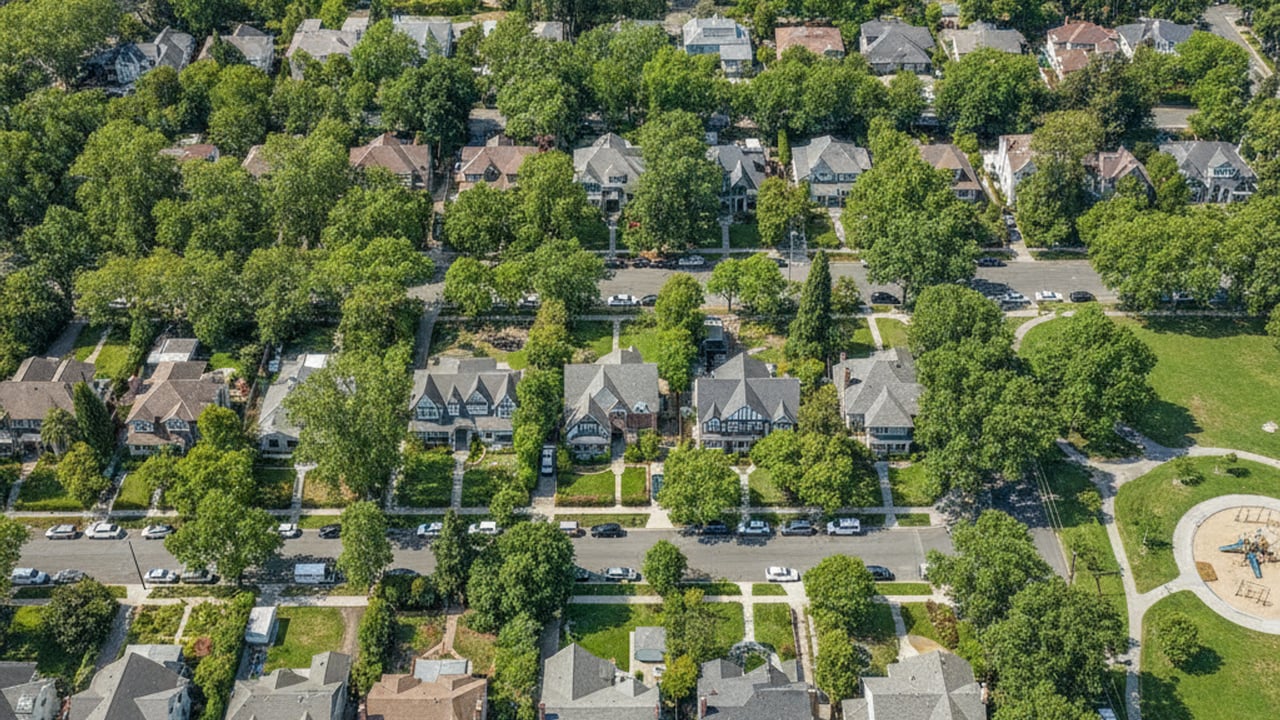
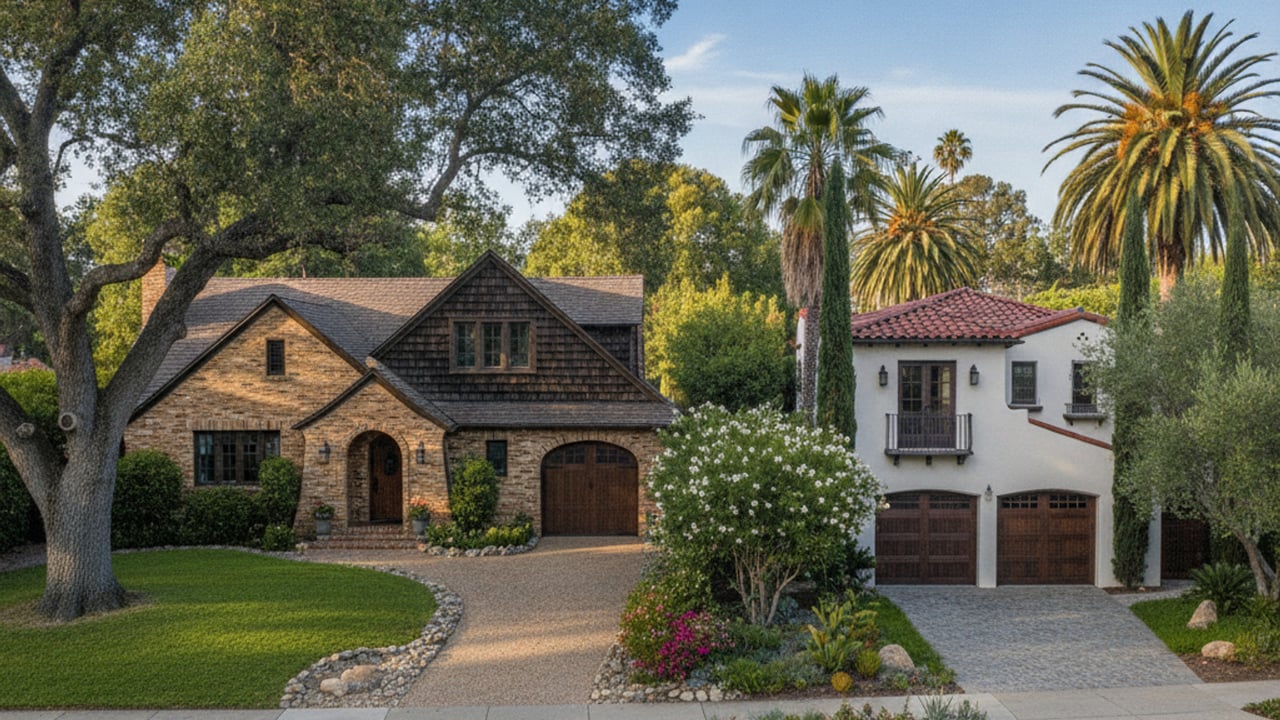
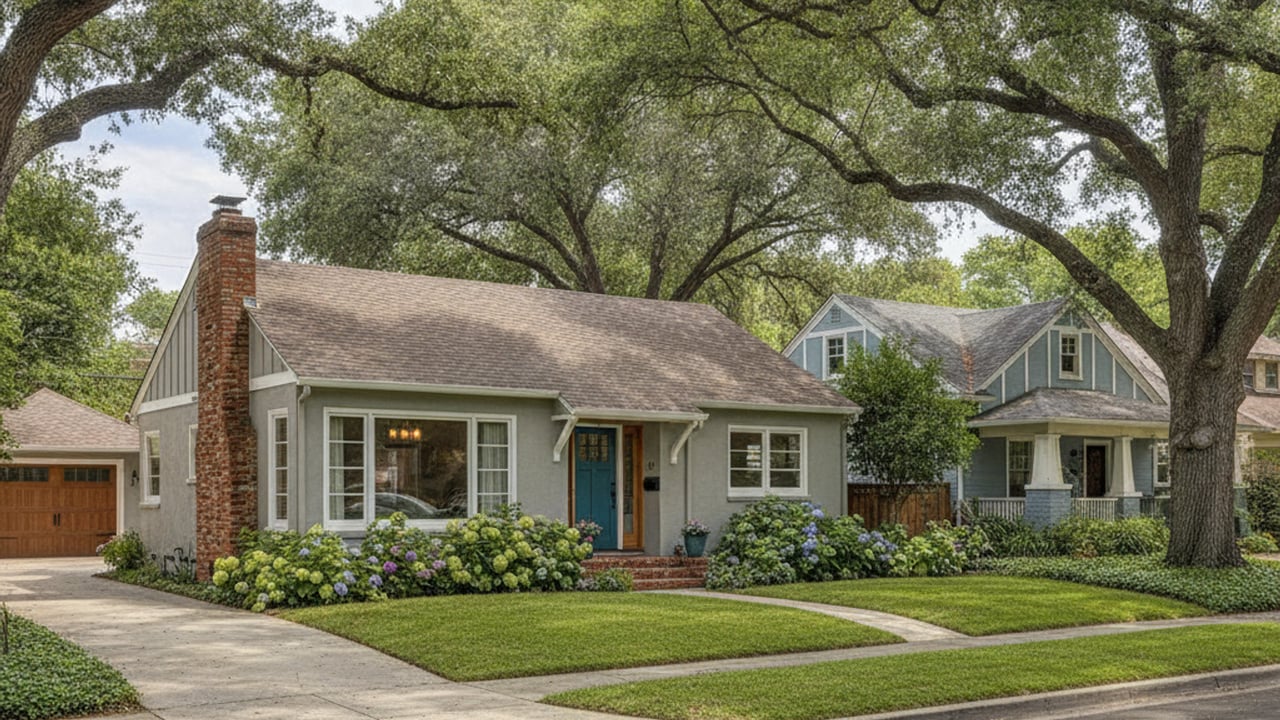
Land Park is a recognized residential neighborhood sitting just south of downtown Sacramento, CA. It's one of the capital city's most established areas - defined by its historic Period Revivalist architecture and the massive green space that shares its name. Buyers interested in living in Land Park are almost always drawn by those older homes, the ones that trace back to the neighborhood's 1920s origins.
As of mid-2026, the market moves fast. The median sale price sits around $760,000, and available homes spend roughly eight days on the market before going under contract. With only about 1.3 months of housing supply and over half of listings selling above asking, you'll want to be prepared for real competition if you're serious about a place here.
The whole thing starts with a $250,000 donation made in 1911 by William Land, a former mayor of Sacramento. That money allowed the city to purchase a 238-acre site in 1918, which eventually became the neighborhood's central public space. The park opened to the public between 1918 and 1922, and that geographical anchor is what made the surrounding residential blocks possible.
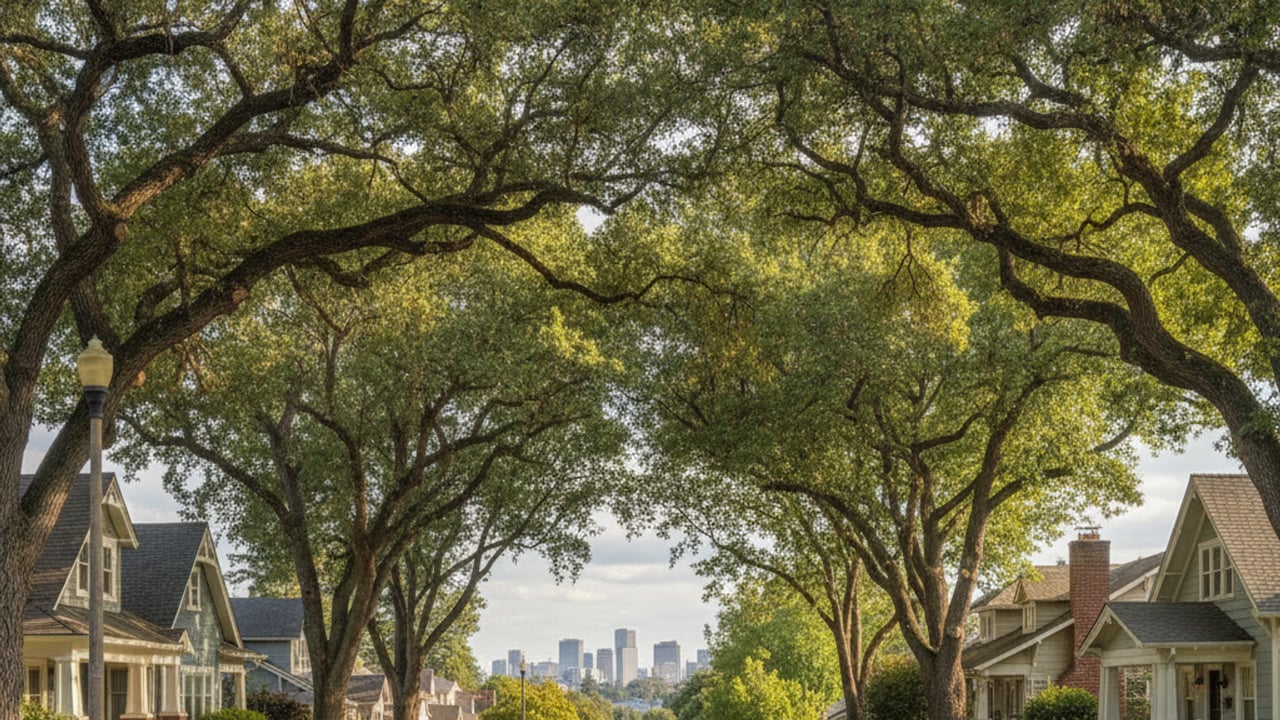
Major development of those blocks started in 1927 with a section called the College Tract. Walk those streets today and you'll find mature trees and original Period Revivalist homes - that's the architectural character that still defines the neighborhood. The area falls entirely within Sacramento County, CA, under the municipal jurisdiction of the city of Sacramento.
Land Park is a neighborhood within the city limits of Sacramento, CA - not an independent city or town. Governance runs through Sacramento's municipal services, zoning boards, and city council. Residents pay Sacramento property taxes and use city utilities, just like any other neighborhood inside the city.
The neighborhood is named directly after William Land - a Sacramento pioneer, local hotelier, and the man whose money made the park possible. Land built the Western Hotel in Sacramento in 1875 and accumulated significant wealth over his lifetime in the hospitality business. When he died, he left a large sum to the city with specific instructions: use it to create a public park for residents.
The city honored that bequest by naming the resulting 238-acre space William Land Park. As residential developers moved in during the 1920s and bought up the surrounding agricultural land, the neighborhood naturally took the park's name. Today, most locals just call the whole residential area Land Park and leave it at that.
The name has nothing to do with terrain or geography - it's a direct tribute to the man who funded it. William Land's 1911 donation of $250,000 was a massive sum for the era, one that entirely covered the cost of establishing the park. The neighborhood's identity has stayed tied to his 19th-century success in the local hotel industry ever since.
The city of Sacramento purchased the initial 238 acres for William Land Park in 1918. Before that, the area was mostly open land and small farms sitting south of the city's urban core. The park opened in phases between 1918 and 1922, and the roads and infrastructure that came with it made the adjacent land genuinely attractive for housing development.
Developers opened the College Tract in 1927 - the first major residential subdivision in the neighborhood. Construction pushed steadily through the late 1920s and 1930s, filling the blocks around the park with single-family homes. A lot of what went up during that initial boom is still standing.
Land Park started as a suburban edge development and spent the better part of the 20th century becoming a central, established neighborhood. The housing stock from the 1920s and 1930s is heavily Period Revivalist - that style isn't just a historical footnote, it's a defining feature of the local real estate market right now. With only around 15 homes available for sale at any given time, these properties don't sit long.
William Land Park is the neighborhood's main landmark, and it holds more than you might expect. The Sacramento Zoo, Fairytale Town, and Funderland Amusement Park all operate within the original boundaries established after the 1911 donation, along with a nine-hole golf course. Just outside the park, the Tower Theatre stands as another recognizable fixture the community has held onto.
For residents who want a dedicated history center, that means heading over to Old Sacramento. The Sacramento History Museum, at 101 I Street, is the closest major facility interpreting the city's past - it covers the broader history of Sacramento and the California Gold Rush, which gives useful context for how a neighborhood like Land Park came to exist in the first place.
The nine-hole golf course inside William Land Park is one of the oldest recreational facilities in the area. It keeps a green buffer running through the neighborhood and holds onto the open-space vision that was part of William Land's original bequest from the start.
Land Park's reputation rests on two things above everything else: the 238-acre William Land Park and the tree-lined streets of historic Period Revivalist homes that surround it. The Sacramento Zoo, Fairytale Town, and Funderland pull visitors in from across the county, which gives the neighborhood a steady energy that purely residential areas don't always have.
Beyond the park, Land Park has a real culinary and cultural footprint - long-running local businesses, nationally recognized figures in the arts and government who called it home, and commercial corridors where some restaurants and bakeries have been operating for decades.
The neighborhood has its own specific roster of food institutions. For classic desserts, residents go to Vic's Ice Cream, Gunther's Ice Cream, and Marie's Donuts. For sit-down meals and baked goods, Masullo Pizza, Tower Cafe, and Freeport Bakery are the established staples - places that have been defining the local food scene long enough that they're just part of what Land Park is.
The list carries some real weight. Land Park was the childhood home of writer Joan Didion and the residence of painter Wayne Thiebaud. Members of the band Deftones, former California State Treasurer Phil Angelides, and U.S. Supreme Court Justice Anthony Kennedy round out a roster that spans art, music, finance, and the highest court in the country.
Residential development largely started in 1927 with the construction of the College Tract. Building continued steadily through the late 1920s and 1930s, and many of the Period Revivalist homes standing today date directly back to that initial construction boom.
Yes. Because Land Park sits within the city of Sacramento, CA, its properties fall under the city's municipal jurisdiction. If you're buying here, check with the city planning department to find out whether your specific home carries a historic designation that would affect renovations.
You'll need to pull the proper permits from the city of Sacramento before any work starts. Depending on the home's historic status, the city may require specific architectural reviews to make sure the expansion is consistent with the original Period Revivalist style.
It depends on whether the specific property is officially listed as a historic resource by the city of Sacramento. If the home qualifies and the city approves a Mills Act contract, the owner can receive lower property taxes in exchange for preserving the historic structure.
The historical character contributes to strong demand and limited inventory. As of mid-2026, the median sale price is around $760,000, homes sell in about eight days, and over half go for more than the asking price.
The 1927 College Tract and the developments that followed established the grid of single-family lots surrounding the 238-acre park. Because the area was built out primarily in the 1920s and 1930s, the lot dimensions and residential zoning still reflect the urban planning standards of that era.
Stay up to date on the latest real estate trends.

Land Park CA
Land Park CA
Land Park CA
Land Park CA
Land Park CA
Land Park CA
Your real estate goals are within reach, and we’re here to be your guide. Whether you’re searching for your first home, looking to build your investment portfolio, or ready to maximize the sale of your property, MegaBliss Real Estate will provide the support, expertise, and dedication you need to reach your goals.
Get In Touch With Our Team To Learn More
1007 7th St Ste 400 Sacramento CA 95814 Melissa Allman | CA DRE# 01397300