Home Staging Tips for Sellers in East Sacramento, CA
East Sacramento
East Sacramento
The median sale price in East Sacramento is roughly $815,600, and homes are spending an average of 13 days on the market. Nearly 45% of listings are selling above asking price. If you plan to sell a home in East Sacramento, that's a solid position to be in - but "solid" and "maximum return" aren't the same thing, and the gap between them is often how well the home shows.
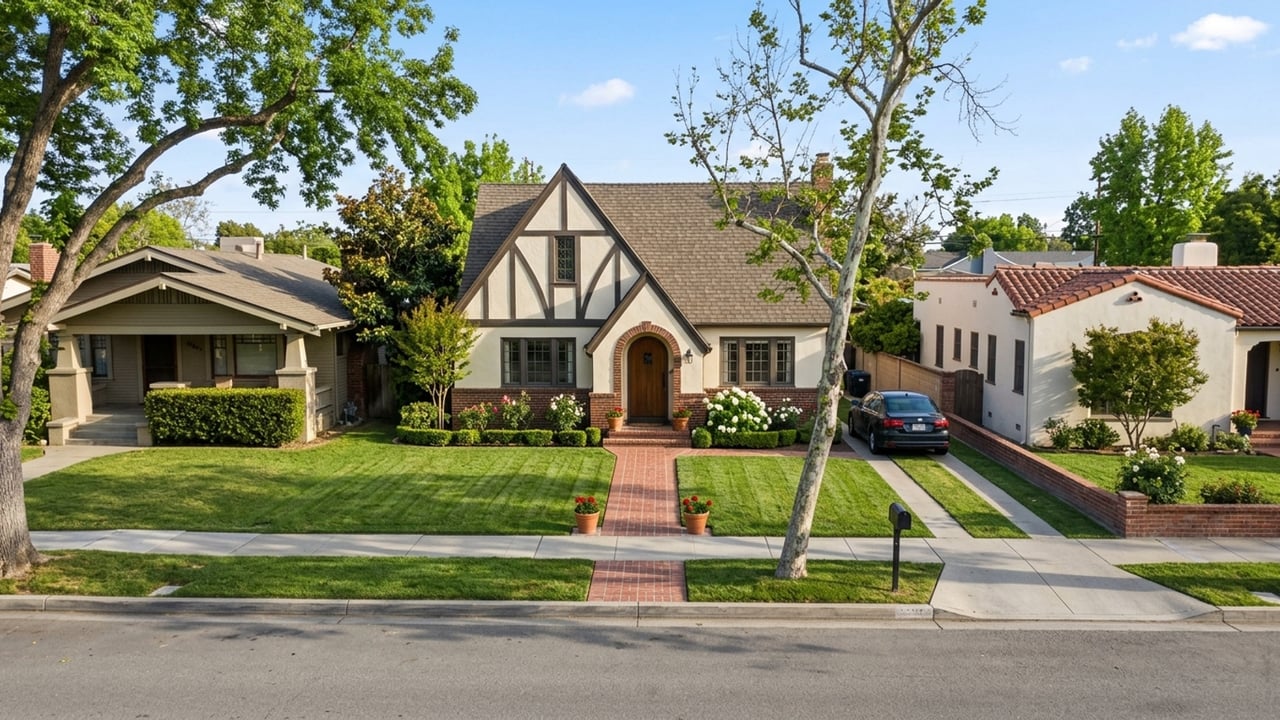
Buyers walking the historic streets of the Fabulous 40s expect homes that look well-maintained and move-in ready. How you present the property shapes what offers you get and how quickly you get them.
According to the National Association of Realtors' 2025 Profile of Home Staging, 49% of sellers' agents reported that staging reduced a home's time on the market. That tracks with what I see here. Buyers have a hard time visualizing themselves in a space when it's empty or full of someone else's stuff. Neutral, well-placed decor closes that gap.
The same NAR report identifies the living room as the most important space for buyers, followed by the primary bedroom and the kitchen. Those three rooms are where your prep dollars should go first - before you spend a single hour on secondary bedrooms or the basement.
East Sacramento homes are moving in about 13 days right now, but unstaged homes tend to drift past that. And once a listing sits, buyers start assuming something's wrong with it - even if nothing is.
A well-staged home photographs better. Better photos bring more foot traffic. More showings mean more offers, and more offers keep both the timeline and the price where you want them.
Buyers look at homes logically, but they make offers emotionally. Walk into a bright, properly scaled living room and the space just feels larger - that reaction is immediate and it's real.
Furniture placement also puts the architecture to work. In East Sacramento, that means drawing attention to a Craftsman bungalow's built-ins or a Tudor's fireplace. Those details are part of what buyers are paying for. Let them see them.
The median dollar value spent on staging nationwide was $1,500 in 2025, up from $600 in 2023. In the broader Sacramento market, staging averages $1,500 to $4,000 for a standard home. Use your own furniture and that range drops to roughly $1,000 to $3,000. For complete service including furniture rental, local estimates run $1,500 to $5,000. If you just need someone to tell you what to do with what you have, a staging consultation and labor typically costs $140 to $150 per hour.
Full-service companies price by the number of rooms they furnish and how long the rental runs. Most contracts cover an initial 30 to 60 days, with monthly renewal fees if it takes longer to sell your home.
Read the contract carefully. Delivery, setup, and removal can be bundled into a flat rate or itemized separately depending on the company - you want to know which before you sign.
Going the DIY route doesn't mean spending nothing. Budget for fresh paint, new lighting fixtures, and updated cabinet hardware. You'll also likely need a storage unit to clear out excess furniture and clutter before showings - a small, climate-controlled unit in the Sacramento area keeps your belongings safe while the house is on the market.
A vacant home pushes costs toward the higher end of the $1,500 to $5,000 range because the stager has to bring in everything - rugs, art, furniture, all of it - to make empty rooms feel livable.
Occupied homes usually run cheaper. The stager works around what you already have, potentially charging the $140 to $150 hourly rate to rearrange your layout and add a few accent pieces to modernize the look.
The right call depends on your budget, your timeline, and what the home looks like right now. A fully vacant property almost always needs professional help - buying enough furniture to fill a house just to sell it isn't practical for most sellers.
If you have modern, neutral furniture and a reasonable eye for design, you might only need an initial consultation. The stager gives you a written plan; you do the work and keep more of your money.
Empty homes and homes with outdated furniture are the clearest cases for bringing in a pro. A stager's inventory of contemporary pieces will do more for the property's appeal than anything you're likely to pull together on your own.
Tight timeline is the other reason. A staging team can transform a house in a single day. Doing it yourself often takes weeks of weekends.
A professional company handles the whole logistical chain - selecting furniture that suits the home's style, coordinating delivery, and arranging every room for flow. When the home sells, they come back and take it all away.
That hands-off process matters more than people expect. It frees you up to focus on packing your own belongings and planning your actual move, rather than managing a furniture rental schedule.
Start by packing away family photos, personal collections, and out-of-season clothing. Clear every kitchen and bathroom counter down to one or two decorative items - nothing more.
Then look at your furniture arrangement. Pull sofas and chairs away from the walls. The goal is clear walkways and a layout that feels conversational rather than furniture-store-functional.
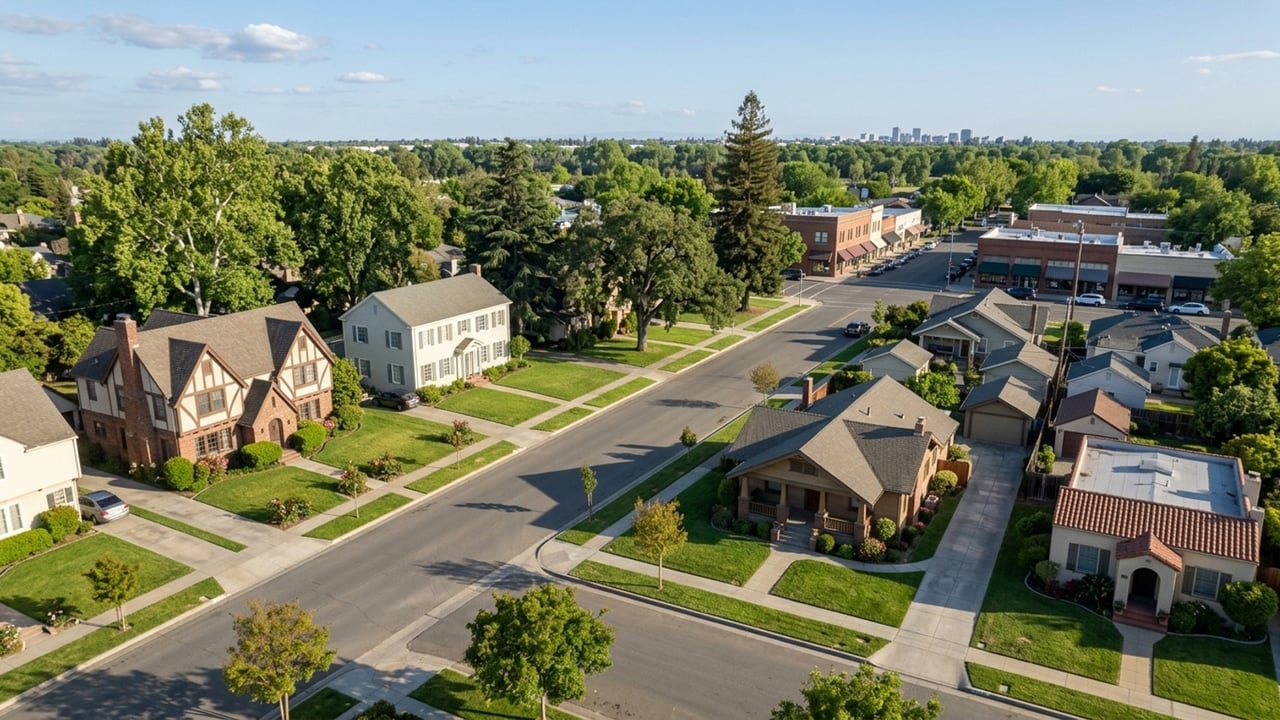
East Sacramento's housing stock is genuinely distinctive - Tudor, Dutch Colonial Revival, Spanish/Mediterranean Revival, and Craftsman bungalows built between the 1920s and 1940s, plus ranch-style houses from the late 1940s and early 1950s. Staging here isn't about imposing a generic look. It's about letting what's already there do its job.
That means a minimalist approach almost always wins. Pull the clutter out and the original hardwood floors, arched doorways, and built-in cabinetry speak for themselves.
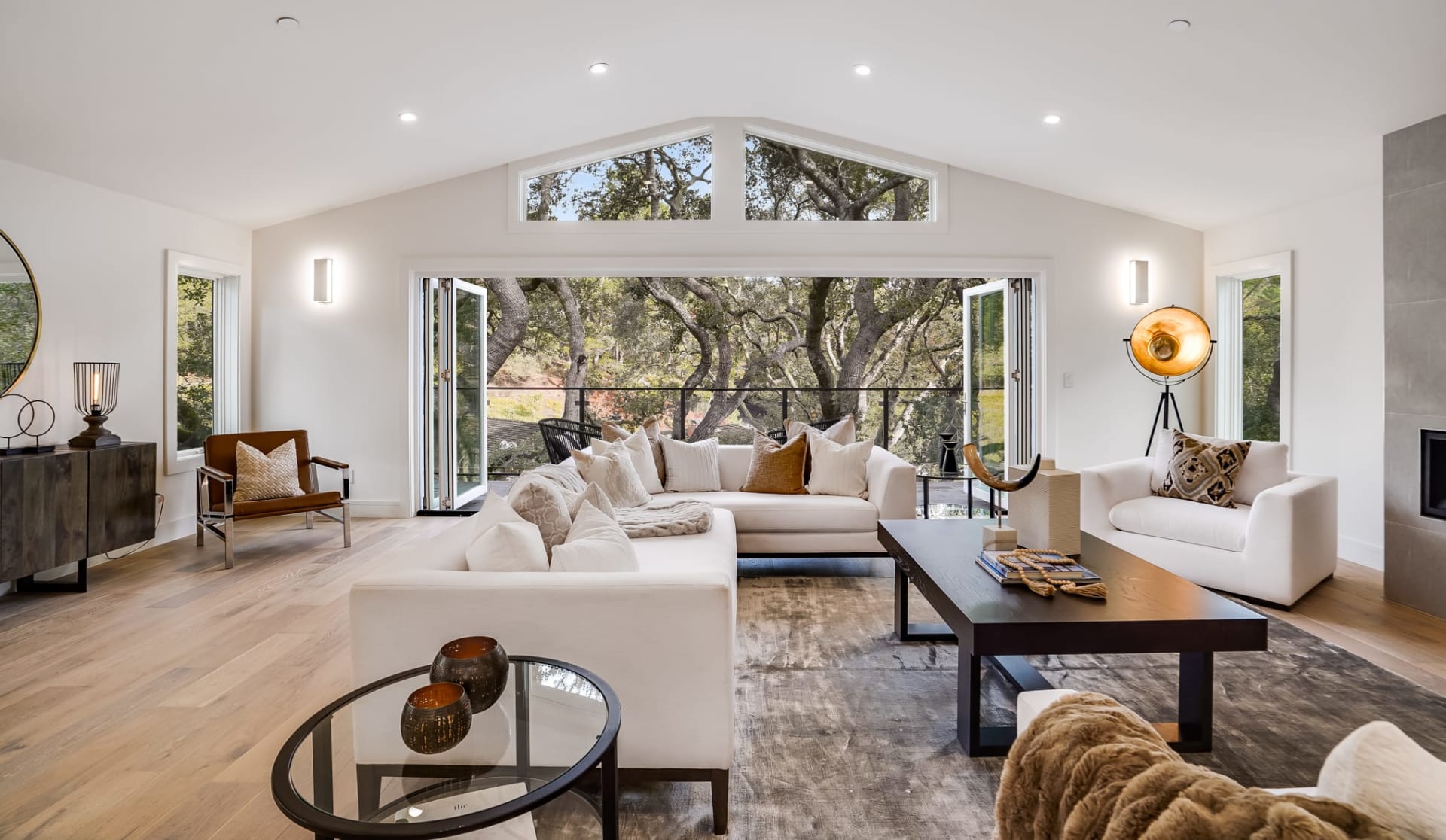
Arrange living room seating around the room's main focal point - fireplace, large window, whatever anchors the space. Watch your furniture scale. An oversized sectional will make a 1920s bungalow feel claustrophobic.
In the kitchen, clear the counters completely except for a bowl of fresh fruit or a quality coffee maker. If the cabinets look tired, a coat of neutral paint and modern hardware will modernize the space without touching the layout or the budget of a full remodel.
The primary bedroom should feel like a calm retreat. Crisp white bedding, a few textured throw pillows - think hotel, not guest room.
Bathrooms need to be spotless and bright. Daily toiletries go under the sink or into a cabinet. Fresh white towels go on the rack. If the shower curtain has seen better days, replace it. It's a small thing that reads as either clean or not clean the moment a buyer walks in.
The first impression happens at the curb, before anyone opens the front door. Mow the lawn, trim the hedges, and plant fresh flowers near the front walk.
Inside the entry, a small console table with a mirror above it works well in the modest entryways typical of older East Sacramento homes. It gives buyers something to orient to and makes the transition from outside feel intentional.
Buyers need to picture their own lives in the space. That's genuinely hard to do when your family portraits, sports memorabilia, and personalized wall decals are everywhere. Those things need to go.
Same principle applies to closets. Pack away half your clothing before the first showing. Buyers will open every door, and half-empty shelves create the impression of storage space even when the actual square footage is modest.
Selling while you're still living there is a different challenge than listing an empty house. Occupied homes require constant upkeep to stay show-ready. Vacant homes need furniture to keep them from feeling cold and abandoned. Neither situation is better or worse - they just call for different strategies.
Your agent will help you figure out the right approach based on your moving timeline.
The goal with an occupied home is making daily tidying as frictionless as possible. Keep a laundry basket somewhere accessible to sweep up loose items before a last-minute showing. It sounds low-tech because it is, and it works.
Also secure your valuables, medications, and sensitive documents. Put them in a safe or remove them from the property entirely while buyers are touring.
Virtual staging uses digital software to add furniture to photos of empty rooms. It's a cost-effective way to show a vacant home's potential online without committing to a full furniture rental.
The limitation is obvious: buyers still tour an empty house in person. Leave a printed booklet of the virtually staged photos on the kitchen counter so buyers can reference the digital designs while walking through the bare rooms. It helps, though it doesn't replace physical staging.
There are no top-rated staging companies located exclusively within the East Sacramento neighborhood boundaries, but several well-reviewed firms cover the greater Sacramento area. Shine Design and Staging, Mint Home Staging Company, Nested with Style, and Stone Home Staging all regularly work with local sellers.
You can also search for independent professionals on Houzz and Thumbtack. Thumbtack currently lists seven five-star home staging professionals operating in the Sacramento area.
Look at their portfolios before you call anyone. A stager who does excellent work on modern downtown condos may not have the right eye for a 1930s Dutch Colonial Revival. The aesthetic has to fit the architecture.
Ask your real estate agent for recommendations too. Agents know which stagers show up on time, communicate clearly, and deliver quality furniture - versus who just photographs well online.
Find out how long the initial rental period lasts and what the monthly renewal fee is if the home doesn't sell within that window. Confirm whether delivery, setup, and teardown are included in the quote or billed separately.
Ask about insurance. The company needs to be covered in case their movers damage your walls or floors. That's not a hypothetical - it happens.
Yes. According to the 2025 NAR Profile of Home Staging, 49% of sellers' agents observed that staging reduced the time homes spent on the market. In East Sacramento, where homes are currently selling in around 13 days, staging helps maintain that fast pace.
In the broader Sacramento market, staging averages $1,500 to $4,000 for a standard home. If you use your own furniture, the cost typically ranges from $1,000 to $3,000. A simple staging consultation usually costs $140 to $150 per hour.
A professional staging team can usually install furniture and decor in a single day. That said, you should allow a week or two before they arrive for the initial consultation, decluttering, and any necessary painting.
For an occupied home, focus on deep cleaning, decluttering, and removing personal items to make the space feel neutral. For a vacant home, rent furniture or hire a full-service stager to give the empty rooms scale and purpose.
Don't leave personal photos, bold paint colors, or excessive clutter in the home. Don't block architectural features like fireplaces or built-in cabinets with oversized furniture.
Virtual staging adds digital furniture to your online listing photos to show the home's potential. It helps attract buyers online, but the physical house will still be empty during showings - so physical staging is generally more effective for in-person tours.
Getting a home ready for the market involves a lot of moving parts - pricing strategy, repairs, staging, photography. The East Sacramento housing market currently has about 47 homes in inventory, so making your property stand out is worth the effort.
A local agent can walk you through the preparation phase room by room, identifying which updates will move the needle and which ones aren't worth your time or money.
Your agent will go through every room, taking notes on what stays, what goes, and what needs paint. They're looking at the house the way a buyer will - which means they'll catch things you've long since stopped seeing.
You'll come away with a prioritized task list to complete before the photographer shows up. That list keeps you focused on changes that add value rather than renovations that just cost money.
Your agent's network is one of the more underused resources in this whole process. Reliable local contractors, cleaners, and stagers are already vetted - you don't have to start from scratch on Yelp.
Once the staging is done and the home looks its best, professional photography is the final step before the listing goes live. Good photos of a well-staged home are what turn online browsers into scheduled showings.
Stay up to date on the latest real estate trends.
Curtis Park
Upper Land Park
Land Park CA
Land Park CA
Upper Land Park

Curtis Park
Land Park CA
East Sacramento
Your real estate goals are within reach, and we’re here to be your guide. Whether you’re searching for your first home, looking to build your investment portfolio, or ready to maximize the sale of your property, MegaBliss Real Estate will provide the support, expertise, and dedication you need to reach your goals.
Get In Touch With Our Team To Learn More
730 I Street, Suite 200 Sacramento CA 95814 Melissa Allman | CA DRE# 01397300