Smart Pricing Strategies in East Sacramento, CA for 2026 Sellers
East Sacramento
East Sacramento
The median home price in East Sacramento ranges from $725,000 to $799,000 as of mid-2026. Homes in this zip code are moving fast, averaging just 18 days on the market before going under contract.
Sellers looking to capitalize on this demand need to look beyond generalized market reports. Developing effective Pricing Strategies in East Sacramento, CA requires understanding how specific blocks, architectural styles, and local amenities shape buyer behavior. Setting the right list price from day one prevents a listing from going stale.
Buyers here are well-informed and closely track recent comparable sales. An overpriced home will sit, while an accurately priced property often generates multiple offers.
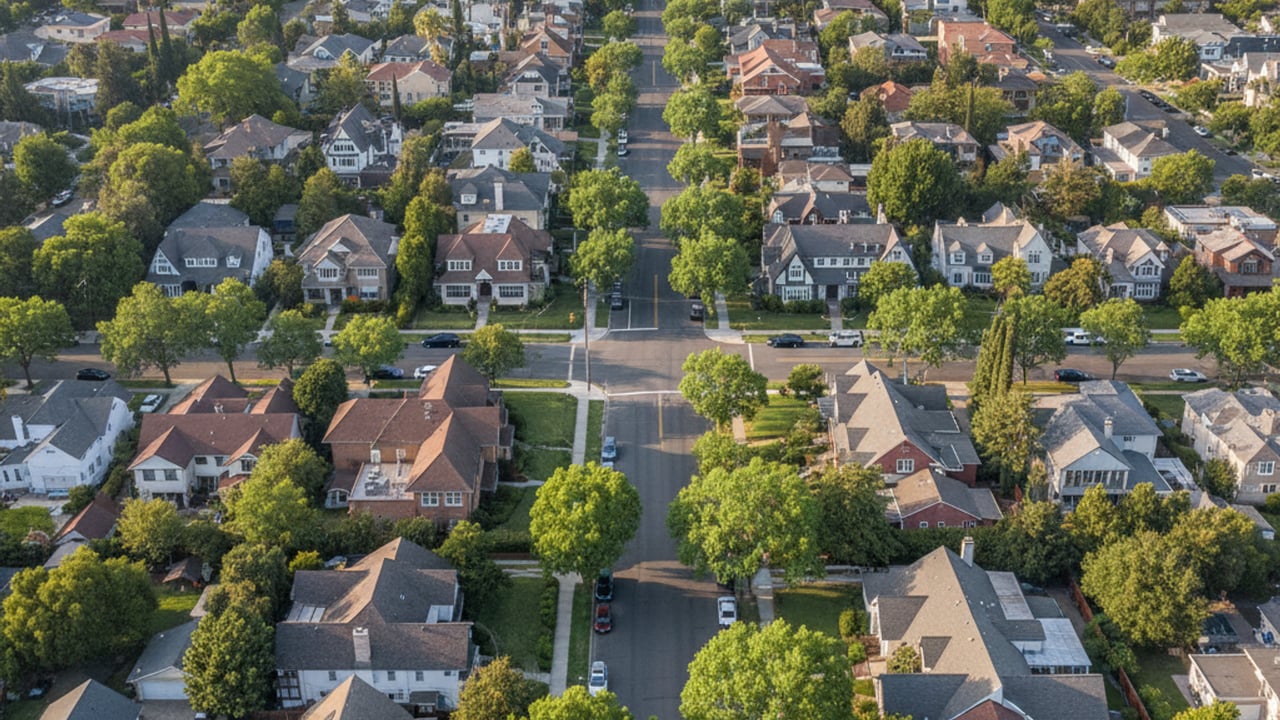
The 95819 zip code remains one of the most consistent real estate markets in the region. Tree-lined streets and well-maintained properties help sustain property values even when national trends fluctuate. Homeowners preparing to sell have a strong baseline to work from.
Finding the right number requires balancing aggressive goals with market realities. A listing that hits the market at the correct price point maximizes early visibility. Buyers are constantly refreshing their search feeds, and a well-priced home commands immediate attention.
Local inventory levels dictate the pace of the neighborhood's real estate market. With homes going pending in under three weeks, sellers hold a clear advantage in 2026. Buyers are actively competing for available listings, especially those priced in alignment with recent sold comps.
Active inventory levels provide the clearest picture of current buyer competition. When the number of available homes drops, buyers often face multiple-offer scenarios on well-presented properties. Tracking the weekly listing count helps sellers understand exactly how much leverage they hold.
The sale-to-list price ratio remains a valuable metric for homeowners preparing to sell. This ratio shows what buyers are paying compared to the initial asking price. A ratio near 100% indicates that homes are generally appraising and closing at their listed values.
The median price point of $725,000 to $799,000 serves as a broad indicator, but individual streets see different pricing tiers. Homes closer to major thoroughfares might price lower than identical structures on quieter interior blocks. Buyers factor road noise and traffic patterns into their initial offers.
East Sacramento maintains stronger buyer demand than many surrounding parts of the broader region. Mortgage rates always influence purchasing power, but buyers targeting this specific area often come prepared with substantial down payments. This financial readiness keeps neighborhood sales moving even when regional trends slow down.
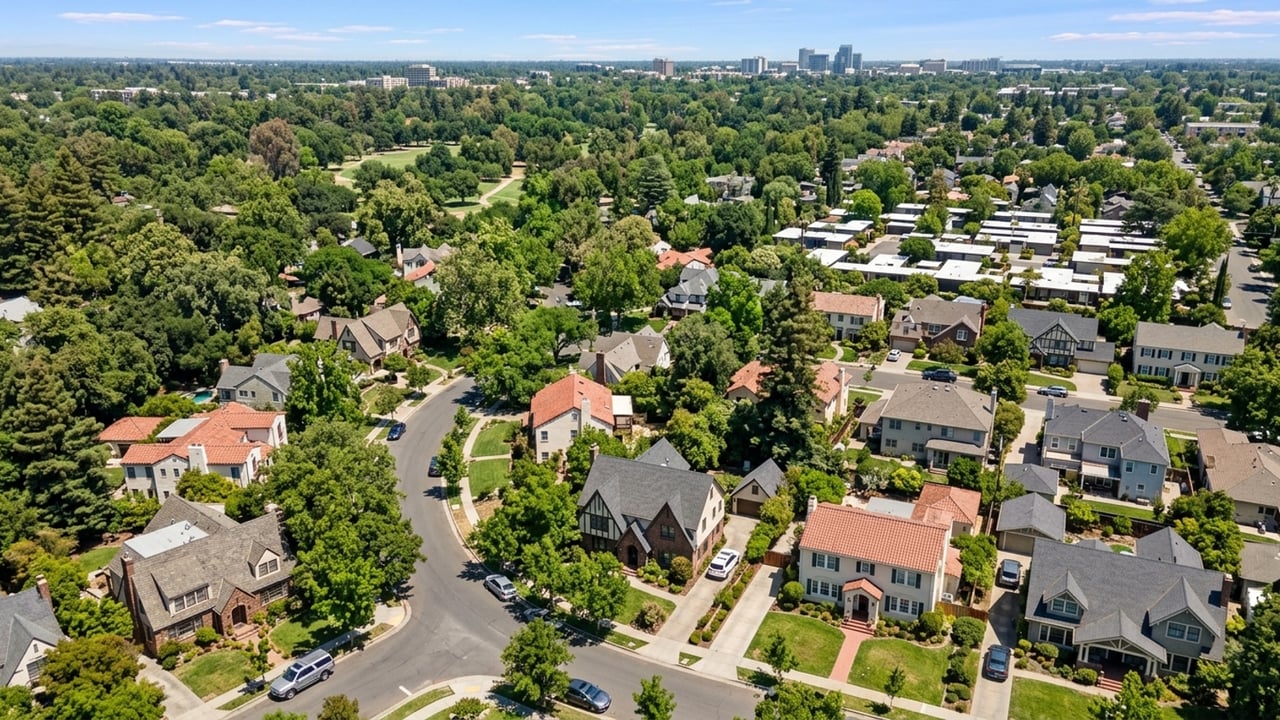
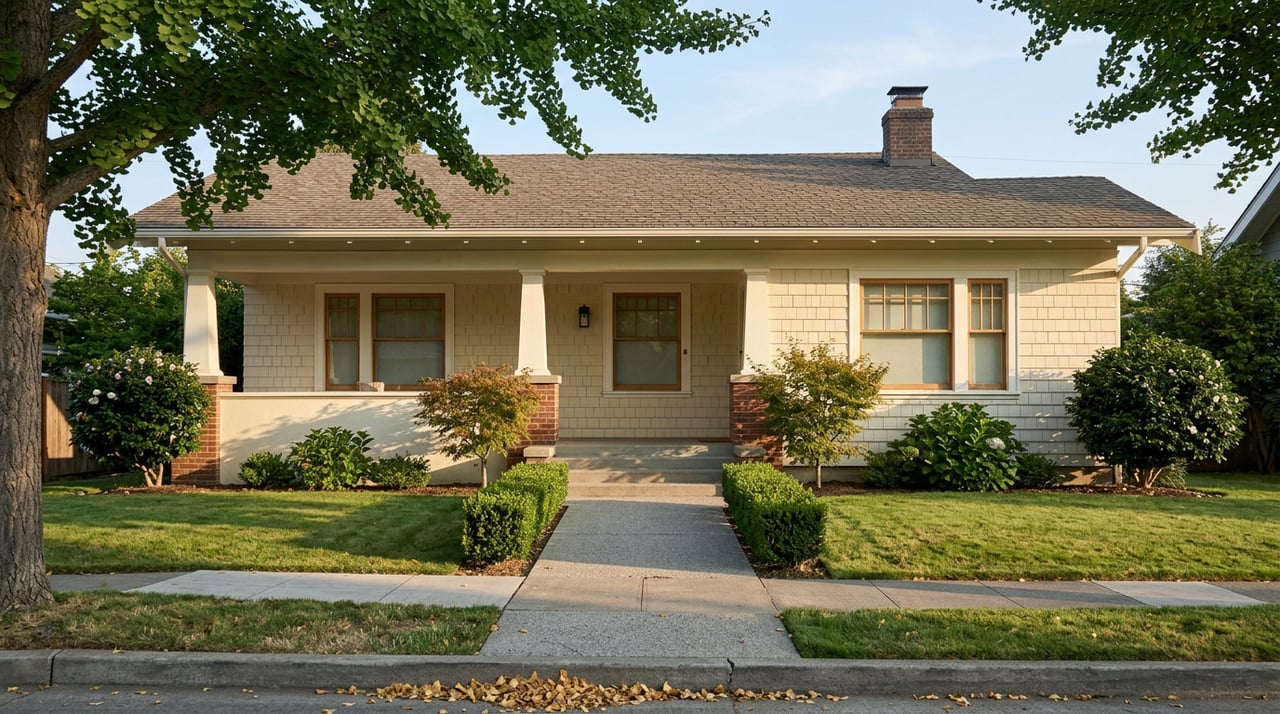
A 1920s craftsman bungalow requires a different pricing approach than a large estate in the Fab 40s. The neighborhood features a wide mix of architectural styles, including Tudor revivals and mid-century builds. Buyers assign different values to these structures based on historical preservation and square footage.
Historic properties often command higher prices per square foot. Buyers are willing to pay a premium for original built-ins, hardwood floors, and period-specific details that cannot be replicated in new construction. Sellers should highlight these preserved features when justifying a higher list price.
Square footage is always a primary pricing factor, but the layout of that space matters just as much. A smaller home with an open, updated kitchen will often out-price a larger home with an obsolete floor plan. Buyers place a premium on functional spaces that require no immediate renovation.
Lot size also introduces variations in neighborhood pricing. Deep lots that allow for future expansions or accessory dwelling units carry a distinct premium. Sellers with larger parcels should factor this future potential into their baseline valuation.
The absence of homeowner association fees on these established blocks also works in the seller's favor. Without a monthly HOA payment eating into their debt-to-income ratio, buyers can afford a higher purchase price. This gives sellers more room to push the upper limits of their pricing tier.
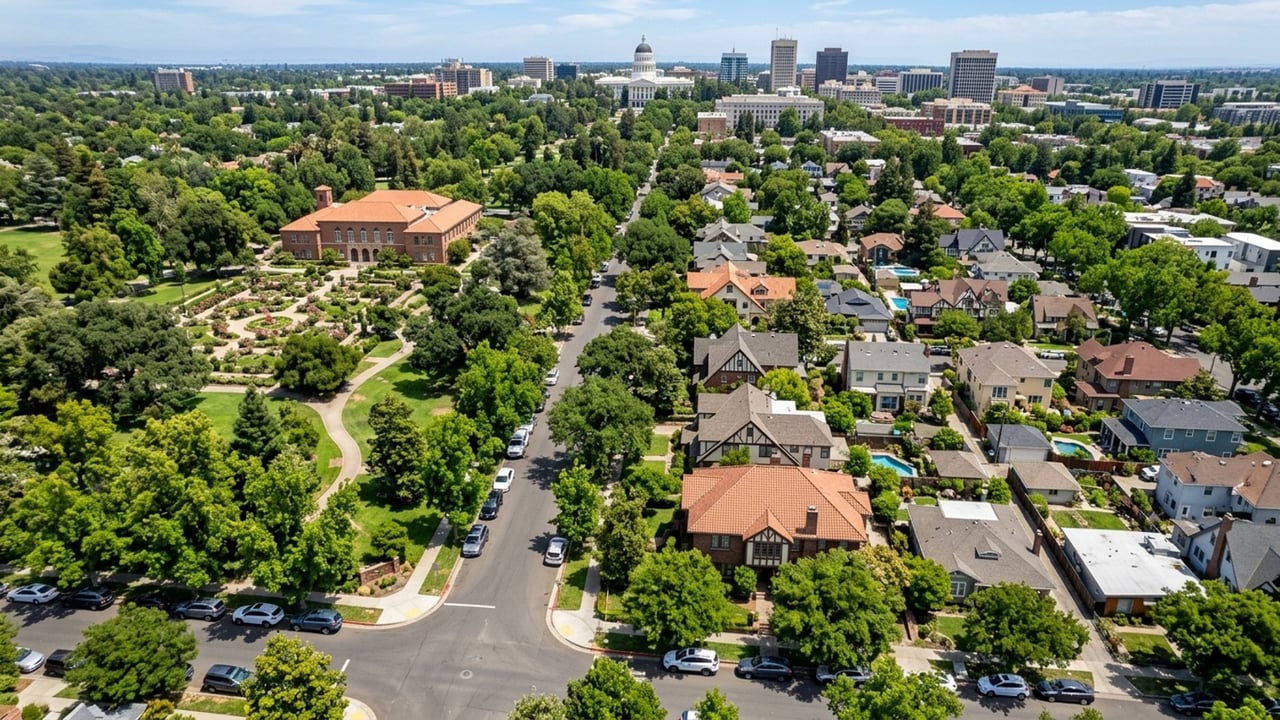
Proximity to neighborhood landmarks plays a direct role in how much a home is worth. Buyers frequently filter their searches based on walking distance to specific parks, hospitals, and transit stops. A house located just two blocks from a major amenity will price differently than an identical house a mile away.
Commute times also shape property values throughout the area. Most residents can drive to downtown Sacramento in five to fifteen minutes, making the neighborhood convenient for downtown commutes. Properties with easy access to public transit or major traffic arteries see consistent interest.
School boundaries also shape property values across different blocks. Homes located within the preferred attendance zones for local elementary schools see consistent demand year-round. Buyers often narrow their property searches entirely based on these specific district lines.
Buyers prioritize convenience over square footage when touring these properties. Sellers should account for these specific local premiums when setting their baseline price:
McKinley Park access: Homes within a short walk of the park's running trails and rose garden routinely sell for a premium over similar homes further east.
Medical center proximity: Properties near the UC Davis Medical Center draw steady interest from buyers looking for a minimal commute to the hospital.
Walkable streets: Tree-lined blocks with wide sidewalks and nearby local cafes attract buyers willing to pay more for neighborhood convenience.
Access to the American River Parkway adds another layer to local property values. Homes that offer a quick bike ride to the river trails appeal to buyers focused on outdoor recreation. Highlighting these specific neighborhood features in the listing description helps justify the asking price.
Housing inventory in Sacramento rises and falls in predictable seasonal patterns. Early spring typically brings a bump in the number of homes for sale, giving buyers more options to tour. Sellers who list just before this spring rush can capture attention when inventory is still relatively low.
Implementing successful Pricing Strategies in East Sacramento, CA means adapting to these seasonal shifts. Waiting too long to list can mean competing against dozens of similar properties. When buyers have more choices, they are less likely to waive contingencies or offer above the asking price.
Sellers aiming for multiple offers should watch the active listing count in their immediate zip code. Launching a property when only one or two other similar homes are available forces buyers to focus on your listing. Your real estate agent can track these daily inventory shifts to pinpoint the best week to go live.
Fall introduces a different dynamic for neighborhood sellers. While the total number of buyers decreases, the buyers remaining in the market are often more serious. Sellers listing in October or November should price accurately from day one, as there is less room for testing the market.
Holiday weeks typically see a sharp drop in new listings across the county. Homeowners who need to sell during late December can benefit from this lack of competition. A well-priced home stands out clearly when buyers have very few fresh options to tour.
Interest rates play a direct role in what local buyers can afford to offer. When mortgage rates shift, the purchasing power of a buyer looking in the $750,000 range changes immediately. Sellers need to monitor these lending trends because they dictate how many buyers can qualify for the neighborhood median price.
A favorable rate environment brings more first-time buyers into the local market. These buyers often target the smaller bungalows and starter homes, increasing competition at the lower end of the neighborhood's price spectrum. Sellers in this tier can often price more aggressively when lending conditions are favorable.
Higher rates tend to slow down the pace of bidding wars. Buyers become more cautious about waiving appraisal contingencies or offering cash above the asking price. Understanding the current lending climate helps sellers anticipate how buyers will structure their initial offers.
Setting the final price requires a close review of recent comparable sales. Sellers need to look at homes that have closed within the last three to six months, focusing on similar square footage and lot sizes. These sold comps provide the baseline data that both buyers and appraisers will use to evaluate the property.
Real estate agents use comparative market analysis to adjust for differences between properties. If a sold comp has a newer roof or an updated HVAC system, the agent will adjust the baseline price of your home accordingly. These adjustments ensure the final list price reflects the home's true condition.
Pricing a home too high carries distinct risks. A property that sits on the market for weeks without an offer often requires a price reduction to regain attention. Buyers tend to view price reductions as a signal that the seller is desperate or that the home has hidden flaws.
Seller concessions are another factor to consider when finalizing the list price. Some buyers may offer the full asking price but request a credit toward their closing costs. Sellers need to evaluate the net proceeds of these offers rather than just looking at the top-line number.
Once a buyer is under contract, the real estate appraisal serves as the final pricing hurdle. If the buyer is using a mortgage, their lender will require an appraiser to confirm the home's value. If the appraisal comes in lower than the agreed-upon purchase price, the buyer and seller must renegotiate or risk the deal falling apart.
The market favors sellers in 2026, with most homes finding buyers in under three weeks. Median prices hover between $725,000 and $799,000, supported by consistent demand. Buyers are moving quickly to secure properties before seasonal inventory shifts.
Pricing below market value does not automatically trigger a bidding war. While it can generate more foot traffic, buyers may assume the property needs major repairs if the price seems artificially low. Sellers should base their asking price on recent comparable sales rather than relying on an artificial discount.
Lenders will only finance up to the appraised value of the property. If a home appraises for $750,000 but the contract price is $780,000, the buyer must cover the $30,000 difference in cash or the seller must lower the price. Accurate initial pricing helps avoid these late-stage contract disputes.
Stay up to date on the latest real estate trends.
East Sacramento
Land Park CA

Land Park CA
Land Park CA
Land Park CA

Land Park CA
Your real estate goals are within reach, and we’re here to be your guide. Whether you’re searching for your first home, looking to build your investment portfolio, or ready to maximize the sale of your property, MegaBliss Real Estate will provide the support, expertise, and dedication you need to reach your goals.
Get In Touch With Our Team To Learn More
1007 7th St Ste 400 Sacramento CA 95814 Melissa Allman | CA DRE# 01397300