Choosing Between Bungalow And Tudor Homes In East Sacramento
Trying to decide between a bungalow and a Tudor in East Sacramento? You are not alone. These two classic home styles both feel right at home here, but they live very differently day to day. If you are weighing charm, layout, upkeep, and price, this guide will help you compare what matters most so you can move forward with confidence. Let’s dive in.
Bungalows and Tudors are a natural part of East Sacramento’s housing story. The neighborhood was annexed in 1911 as part of a 9.4-square-mile expansion, and much of its early growth happened during the same era when these styles became popular.
That history helps explain why both home types feel so established in East Sacramento. You are not choosing between two styles that were dropped in later. You are choosing between two architectural traditions that helped shape the neighborhood’s look and feel.
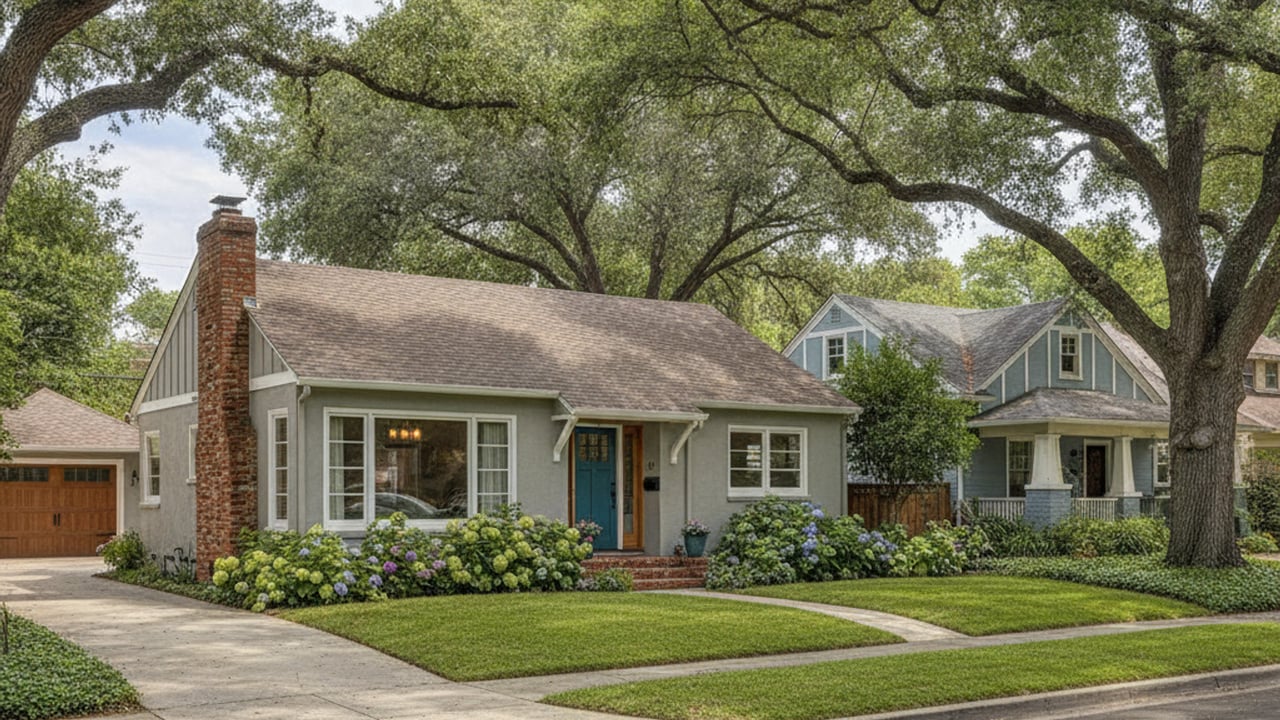
Sacramento design guidelines describe bungalows as one- or one-and-a-half-story homes with low-pitched roofs, front porches, and tapered square columns. In historic planning materials, Craftsman bungalows are also noted for full-length porches and open, airy layouts that suited Sacramento’s hot summers.
In real life, that often means a home that feels welcoming and easy to move through. The porch becomes part of daily living, and the lower profile can make the home feel more connected to the yard.
A bungalow often works well if you want simple circulation and less separation between main living spaces. Recent East Sacramento examples show connected living and dining rooms, breakfast nooks, front and back porches, detached garages, and mature backyards.
That does not mean every bungalow is small. One recent sale on 47th Street closed at $1.85 million with 3,017 square feet, formal living and dining rooms, a family room, and four upstairs bedrooms. In East Sacramento, bungalow style does not automatically mean modest size.
A bungalow may be a strong fit if you want:
For many buyers, the appeal is not just the look. It is the way the house supports everyday comfort.
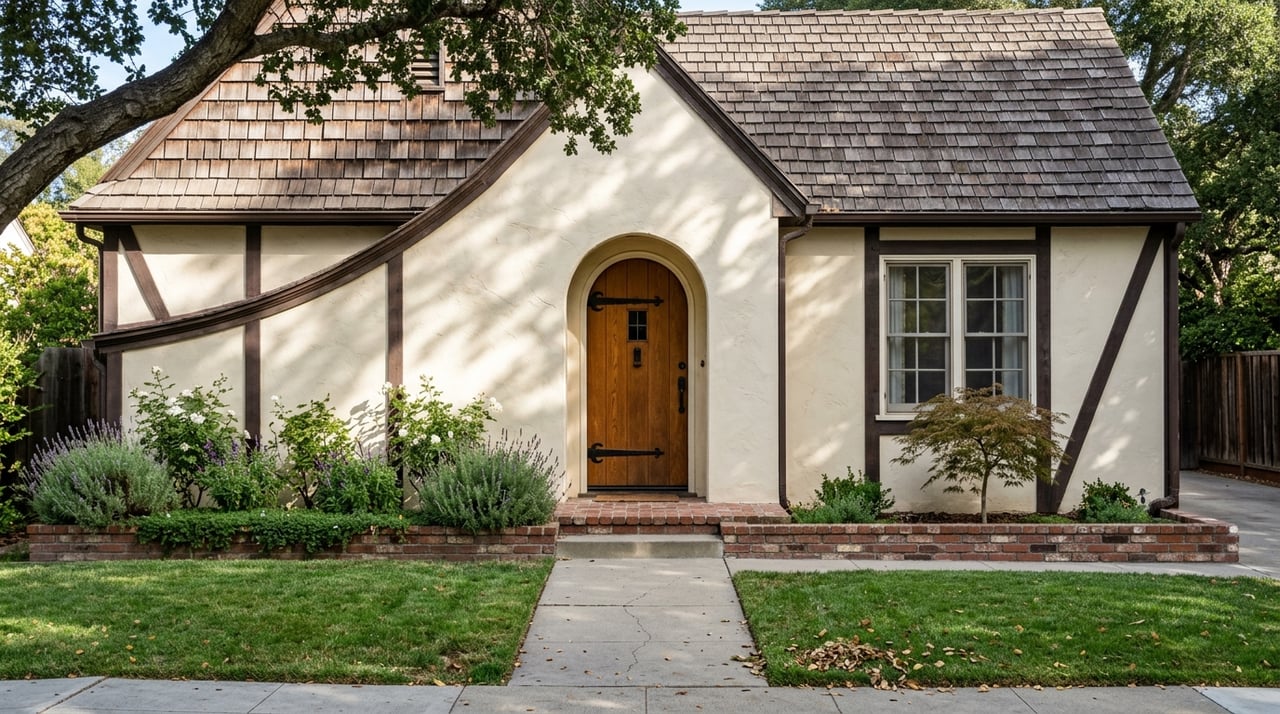
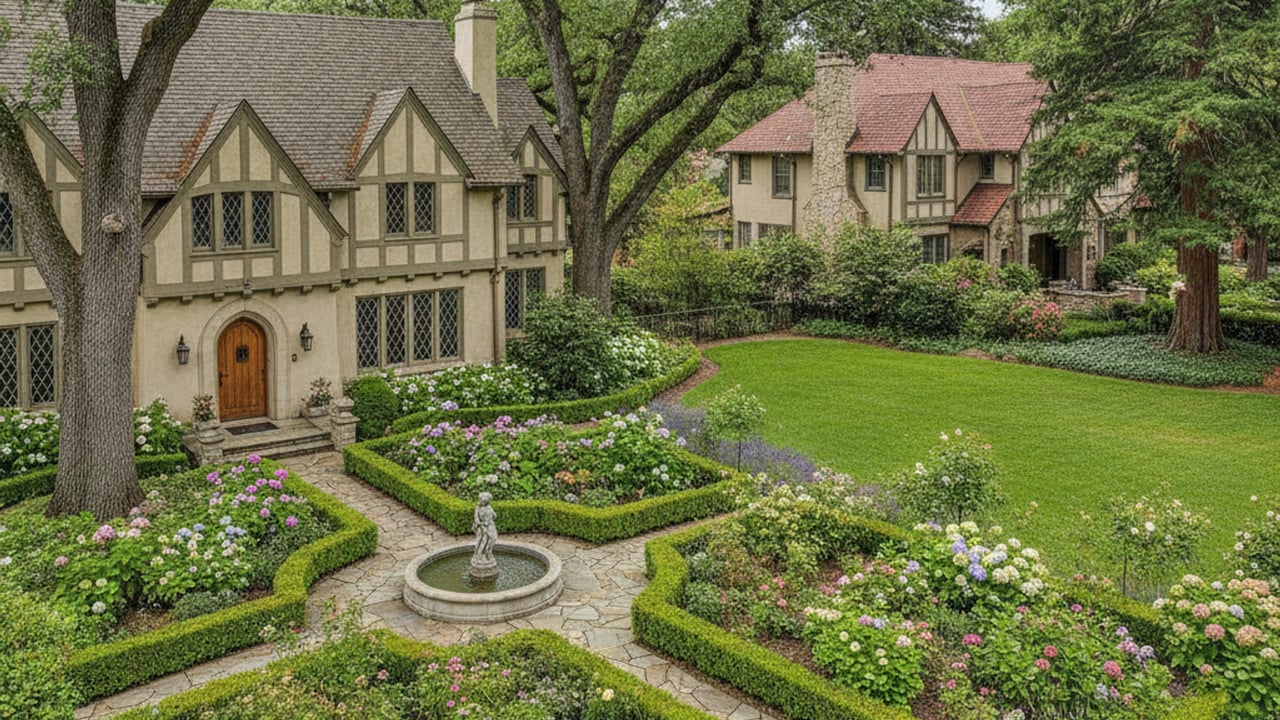
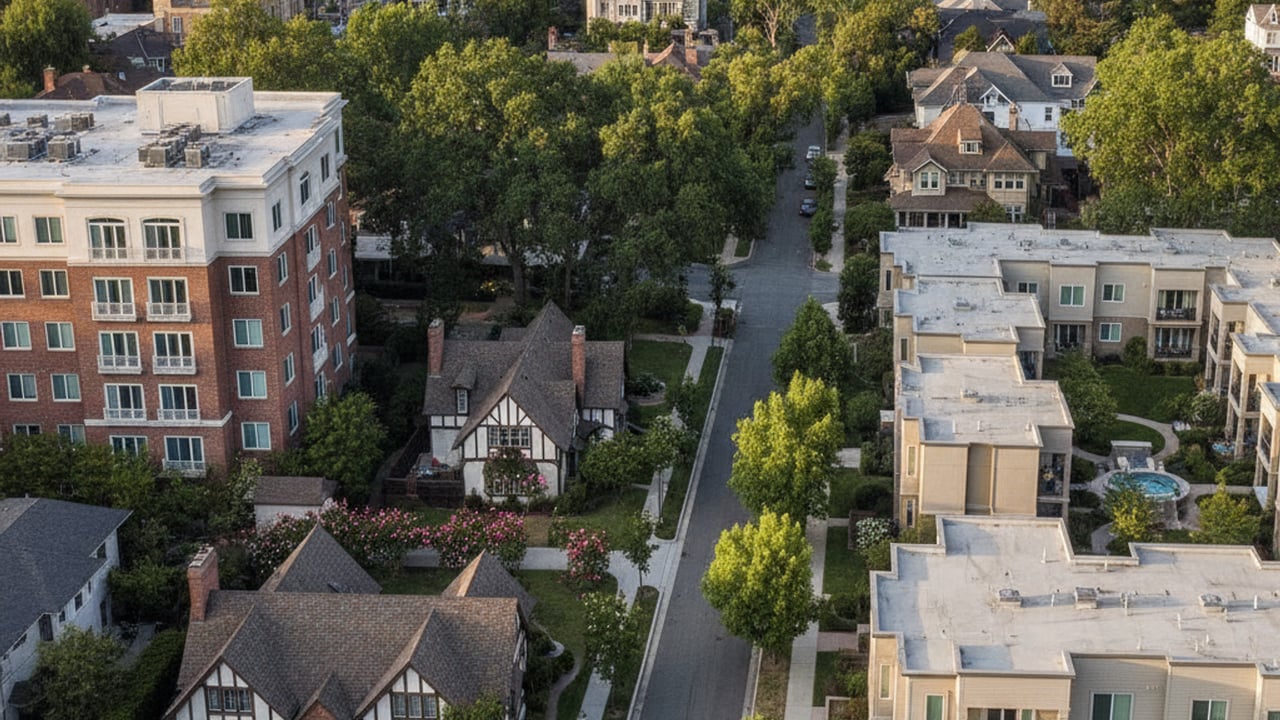
City materials describe Tudor Revival homes in Sacramento as a common 1920s and 1930s style. Typical features include steeply pitched roofs, side gables, cross gables, half-timbering, brick, vertically oriented windows, dormers, and prominent chimneys.
These details give Tudors a stronger architectural presence from the street. If a bungalow often feels relaxed and grounded, a Tudor usually feels more dramatic and visually layered.
In East Sacramento listings, Tudor homes often show more separated floor plans than bungalows. Recent examples include formal living and dining rooms, family rooms, upstairs bedrooms, landscaped backyards, basements, and even carriage-house space over a garage.
That layout can be appealing if you want more room separation. You may prefer a home where living, working, hosting, and sleeping happen in more distinct spaces.
A Tudor may be a strong fit if you want:
For some buyers, the draw is emotional as much as practical. Tudors often make a memorable first impression.
When you compare bungalow and Tudor homes in East Sacramento, it helps to think beyond style labels. Ask yourself how you want your home to function on a normal Tuesday, not just how it looks in listing photos.
A bungalow often supports a more casual flow. A Tudor often supports more separation and vertical living. Neither is better across the board. The right choice depends on how you want to use the space.
| Feature | Bungalow | Tudor |
|---|---|---|
| Typical height | One or one-and-a-half stories | Often two stories |
| Roof style | Low-pitched | Steeply pitched with multiple gables |
| Feel | Casual and airy | Formal and dramatic |
| Main living pattern | Connected spaces | More separated rooms |
| Common appeal | Porch and yard living | Architectural presence and room separation |
Older East Sacramento homes can be wonderful, but style can influence what ownership feels like over time.
With a bungalow, the simpler roofline and lower height often mean fewer exterior surfaces to maintain than a Tudor. That said, porches, wood trim, windows, and foundations can still need attention, especially in older homes.
With a Tudor, the exterior can ask more from you. Complex rooflines, chimneys, masonry, half-timber details, and multiple gables are part of the charm, but they can also increase maintenance needs.
If a property is a historic landmark or sits in a historic district, the City of Sacramento requires review before changes move forward. Projects in those areas must follow the city’s Historic District Plans and the Secretary of the Interior’s Standards.
For non-historic parcels, additions still depend on zoning, lot size, setbacks, height, and lot coverage. If you are thinking about remodeling, expanding, or changing exterior features, it is smart to look at those rules early.
The City of Sacramento offers permit-ready ADU plans and a preapproved ADU process. That means some East Sacramento lots, especially those with enough yard area and the right zoning, may offer added flexibility for extra living space or rental use.
This can matter for either style, but it may come up more often with homes that have detached garages or usable backyard space. If this is part of your plan, lot configuration matters just as much as the architectural style.
East Sacramento pricing sits roughly in the high-$700,000s to low-$800,000s depending on the source and metric. Recent market snapshots show a median sale price of $764,000, an average home value of $791,583, a median list price of $812,500, and a median listing price near $785,000.
The bigger lesson is that style alone does not set the price. Recent bungalow sales ranged from $629,950 to $1.85 million, while recent Tudor sales ranged from $1 million to $1.75 million.
That spread tells you something important. In East Sacramento, condition, lot size, block location, garage or carriage-house utility, and renovation quality can matter just as much as whether the house is a bungalow or a Tudor.
If you are torn between the two, focus on how you want to live and what tradeoffs feel easy versus frustrating.
Choose a bungalow if you are drawn to fewer stairs, porch-centered living, and a layout that often feels easy to navigate. Many buyers also like the more casual flow and the potential for simpler day-to-day upkeep.
Choose a Tudor if you want more room separation, stronger architectural drama, and a home that may offer more vertical space and formal structure. If distinct living areas matter to you, a Tudor may feel like the better fit.
If budget is your top concern, do not assume bungalow means cheaper or Tudor means pricier. In East Sacramento, either style can be an entry point or a luxury purchase depending on the property.
When you tour homes, try scoring each one on the things that affect your life most:
This keeps you focused on the home as a whole. It also helps you avoid overpaying for style alone when another property may fit your goals better.
East Sacramento has no shortage of character homes, and that is part of what makes buying here exciting. The key is finding the one that matches your routines, your budget, and your plans for the next few years.
If you want help comparing East Sacramento bungalows and Tudors in a way that feels clear and low-pressure, Melissa Allman would love to help you explore the market and find the right fit.
Stay up to date on the latest real estate trends.

Land Park CA
Land Park CA
Land Park CA
Land Park CA
Land Park CA
Land Park CA
Land Park CA
Land Park CA
Your real estate goals are within reach, and we’re here to be your guide. Whether you’re searching for your first home, looking to build your investment portfolio, or ready to maximize the sale of your property, MegaBliss Real Estate will provide the support, expertise, and dedication you need to reach your goals.
Get In Touch With Our Team To Learn More
1007 7th St Ste 400 Sacramento CA 95814 Melissa Allman | CA DRE# 01397300