Navigating the Weather and Climate in East Sacramento CA for 2026 Buyers
East Sacramento
East Sacramento
When evaluating real estate in Northern California, buyers quickly realize that local atmospheric conditions dictate much more than just weekend plans. The weather and climate in East Sacramento CA directly influence home maintenance budgets, utility costs, and the types of property upgrades that yield the best return on investment. Purchasing a property here means preparing for distinct seasonal shifts that impact historic architecture and modern builds alike.
Understanding these local weather patterns is essential before finalizing a property purchase in 2026. Buyers need to account for intense summer sunshine, concentrated winter precipitation, and the specific demands of maintaining mature landscaping. Factoring these elements into your initial property evaluation ensures you are ready for the practical realities of homeownership in this historic part of the city.
Sacramento, California, features a classic hot-summer Mediterranean climate. This means residents experience long, dry summers followed by mild, wet winters. The area receives an average of 18.5 inches of precipitation annually, with almost all of that rain falling between November and April.
The region also boasts an impressive amount of sunshine, averaging over 260 sunny days per year. During the peak of summer, daytime high temperatures routinely reach the low 90s, with periodic heat waves pushing the thermometer well over 100 degrees Fahrenheit. Fortunately, the famous Delta Breeze rolls in from the San Francisco Bay most evenings, providing natural cooling that drops overnight temperatures down into the 60s.
Winter weather conditions are generally mild but require adequate preparation. Average winter lows hover in the upper 30s to low 40s, meaning freezing temperatures are rare but possible. Buyers should prioritize properties with solid weatherproofing to handle the concentrated winter rain and the occasional severe weather threat.
Maintaining comfortable indoor temperatures during the summer months requires a robust, regularly serviced central HVAC system. Historic homes in East Sacramento often feature retrofitted cooling systems that need consistent maintenance to handle the intense July and August heat. Utility bills typically spike during these months, making energy efficiency upgrades a smart, measurable investment for any buyer.
Properties equipped with dual-pane windows and upgraded attic insulation retain their value exceptionally well in this market. Homes positioned to take advantage of the afternoon wind and Delta Breeze also benefit from excellent natural ventilation. Smart property orientation and existing shade structures can noticeably reduce monthly cooling costs.
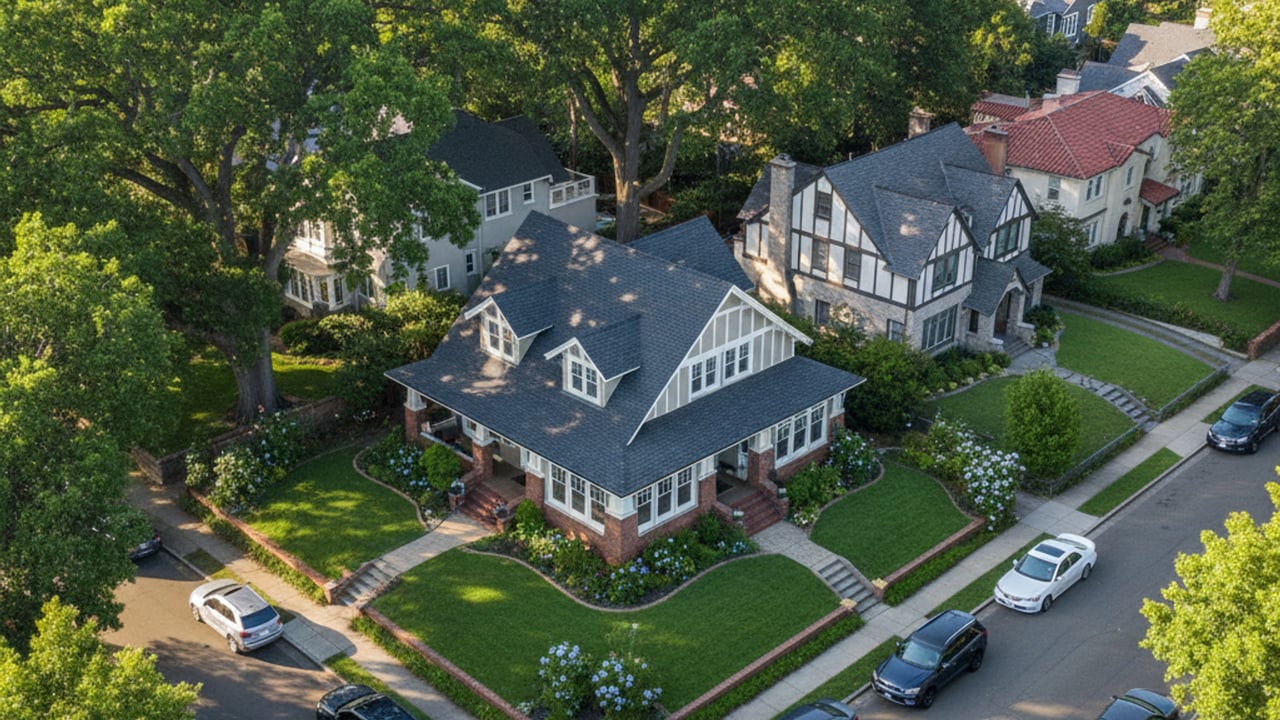
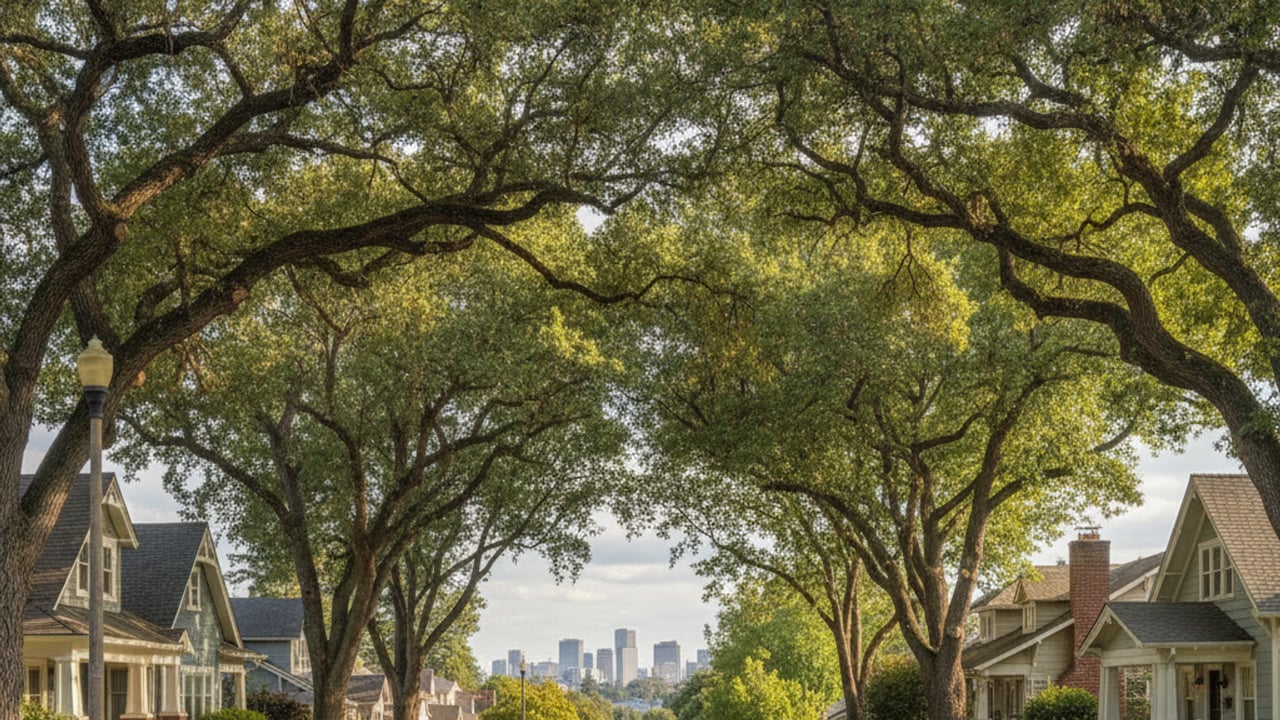
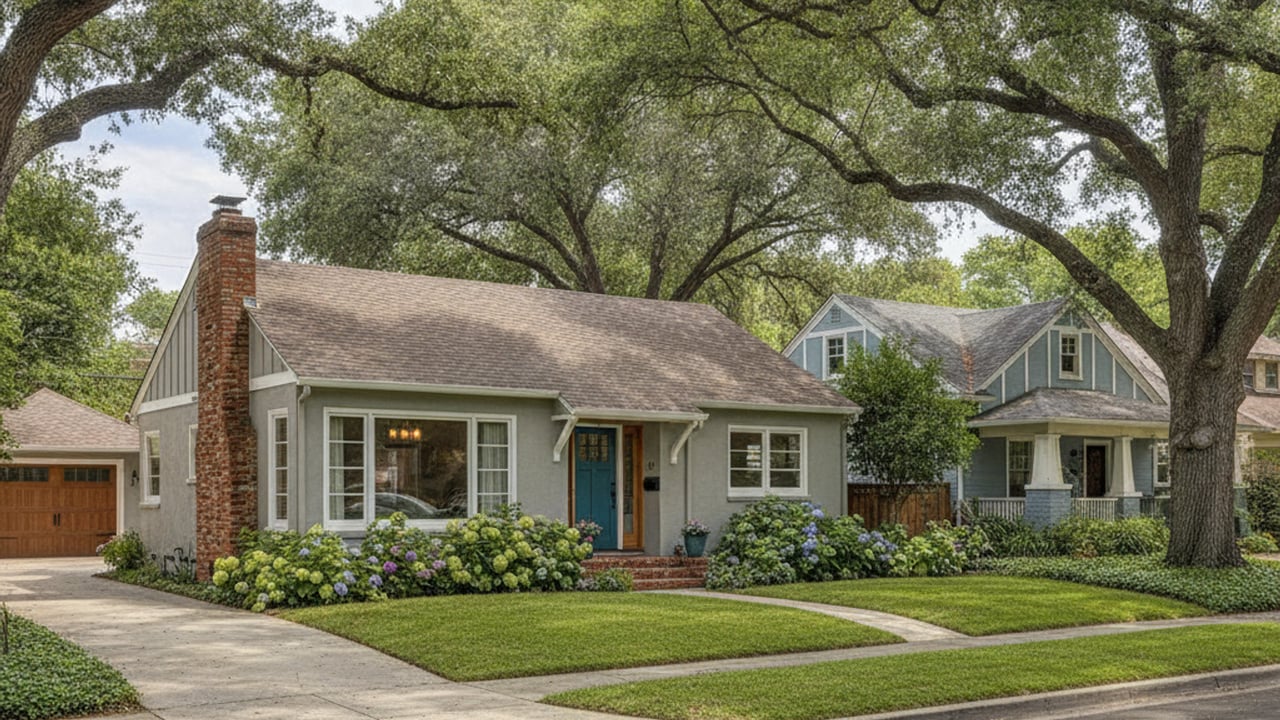
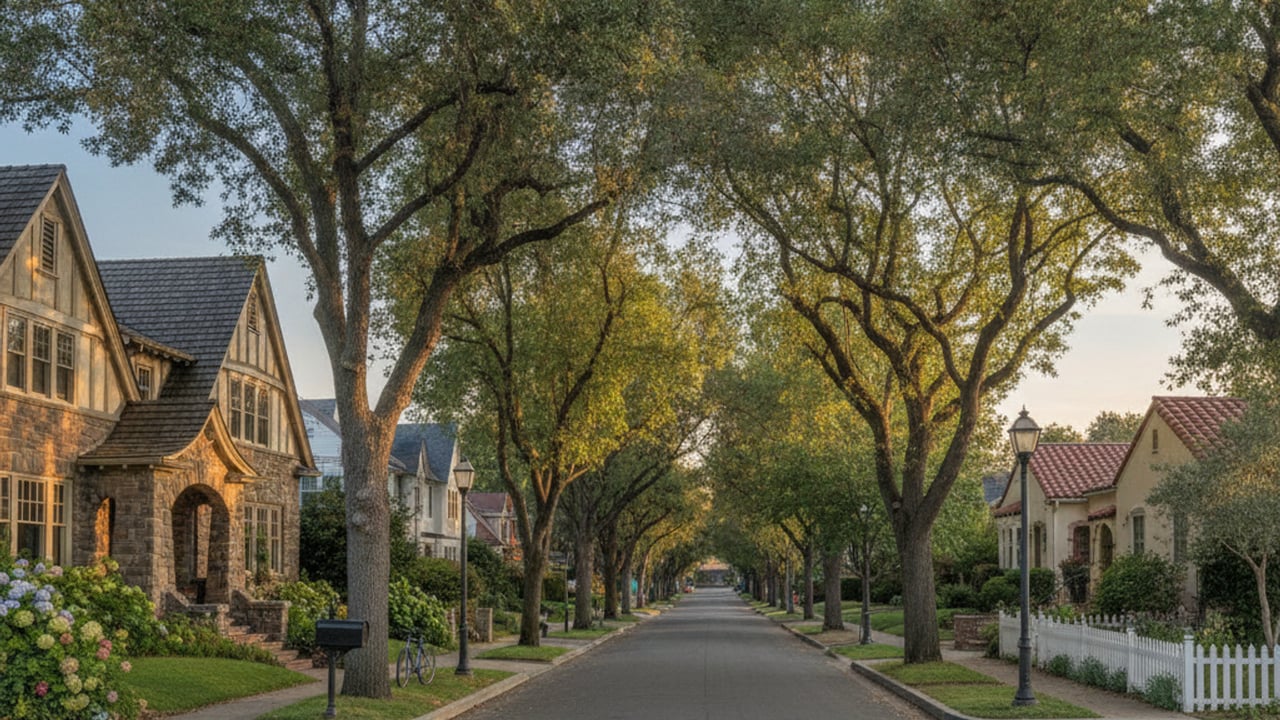
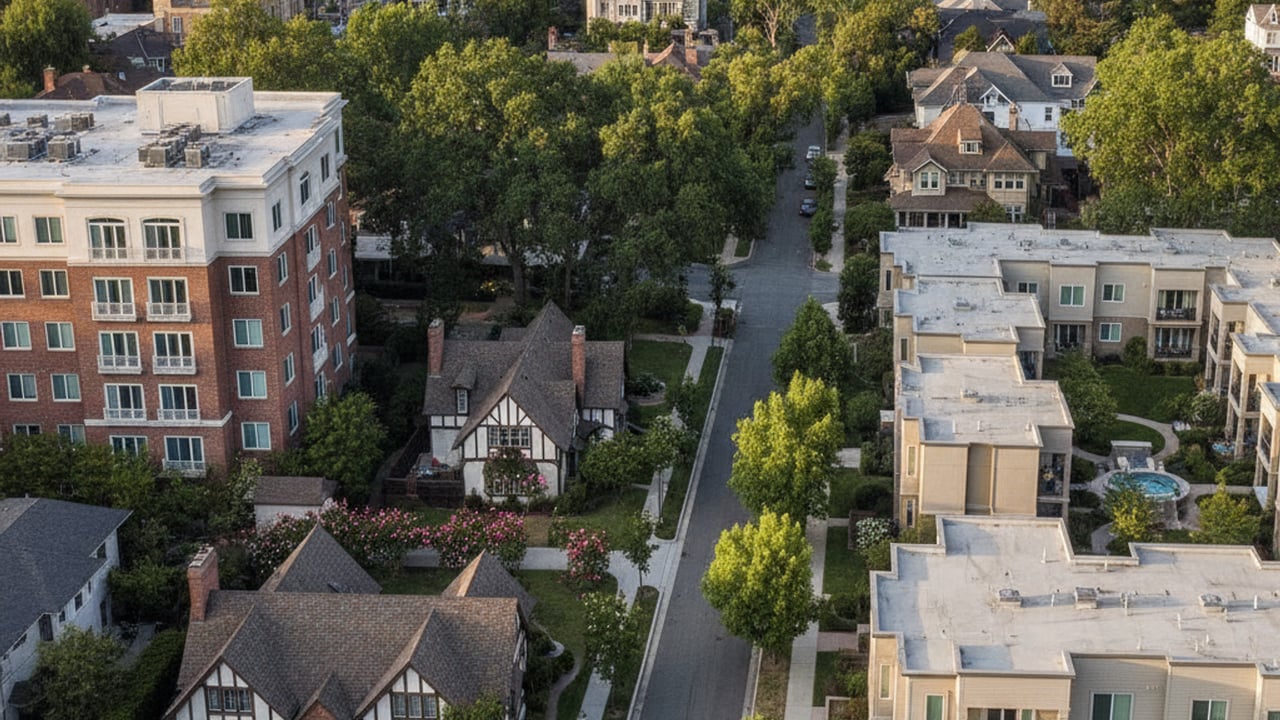
One of the defining features of neighborhoods like the Fabulous Forties and the streets surrounding McKinley Park is the extensive mature tree canopy. This dense urban forest does more than just look beautiful - it creates a distinct, highly functional microclimate. The heavy foliage significantly reduces street-level temperatures, often keeping these blocks several degrees cooler than newer, less shaded developments nearby.
These historic trees add immense aesthetic and financial value to local real estate. Buyers consistently pay a premium for properties nestled under these massive canopies. However, this natural cooling system comes with substantial maintenance responsibilities for the homeowner.
Large trees require professional pruning, seasonal leaf removal, and regular roof clearance to prevent damage. Buyers should budget for annual arborist visits to ensure these historic trees remain healthy and do not pose a severe weather threat to the home during winter storms.
Many homes in East Sacramento date back to the 1920s and 1930s, requiring consistent, proactive upkeep to withstand the elements. Before the winter rainy season begins, clearing gutters and downspouts is an absolute necessity to prevent water intrusion. Proper grading and drainage around the foundation are equally critical to protect older structures during heavy winter precipitation.
Exterior paint also requires careful attention to protect original wood siding from the intense summer sunshine and winter moisture. Occasional high winds or isolated thunderstorms can easily damage older roofs, making routine inspections a vital part of seasonal maintenance. Addressing these exterior issues promptly protects the structural integrity of the property year-round.
The local climate strongly supports year-round outdoor recreation, which is a major draw for property buyers in this area. East Sacramento sits in close proximity to the American River Parkway, offering immediate access to the 32-mile paved Jedediah Smith Memorial Trail. Weather conditions naturally dictate seasonal uses, shifting from summer kayaking and cycling to winter hiking and running.
Within the neighborhood itself, objective amenities at McKinley Park provide daily recreation options. The park features a meticulously maintained rose garden, public tennis courts, and shaded walking trails that remain accessible nearly every month of the year. Properties located within a half-mile of these amenities command higher asking prices and spend fewer days on the market.
To maximize this favorable climate, homeowners frequently invest in permanent outdoor living spaces. Covered patios, outdoor kitchens, and drought-tolerant landscaping add tangible property value while reducing summer water consumption. Designing an exterior space that accommodates both hot summer afternoons and cool winter evenings is a proven way to increase a property's overall appeal.
Sacramento features a hot-summer Mediterranean climate characterized by dry, sunny summers and mild, damp winters. The city averages over 260 sunny days annually, making it an excellent environment for solar panel installations. Annual precipitation averages around 18.5 inches, with the vast majority falling between late fall and early spring.
The summer heat in Sacramento is notably dry, with very low humidity levels during the hottest months. This lack of moisture makes temperatures in the low 90s feel much more comfortable than similar temperatures in the South or Midwest. The dry air also allows the evening Delta Breeze to effectively cool homes down into the 60s overnight.
December is typically the coldest month in Sacramento, with average overnight lows dropping into the upper 30s. While freezing temperatures can occur occasionally, sustained hard freezes are quite rare. Homeowners generally rely on standard central heating systems rather than heavy-duty winterization to stay comfortable during this season.
Stay up to date on the latest real estate trends.

Land Park CA
Land Park CA
Land Park CA
Land Park CA
Land Park CA
Land Park CA
Land Park CA
Land Park CA
Your real estate goals are within reach, and we’re here to be your guide. Whether you’re searching for your first home, looking to build your investment portfolio, or ready to maximize the sale of your property, MegaBliss Real Estate will provide the support, expertise, and dedication you need to reach your goals.
Get In Touch With Our Team To Learn More
1007 7th St Ste 400 Sacramento CA 95814 Melissa Allman | CA DRE# 01397300