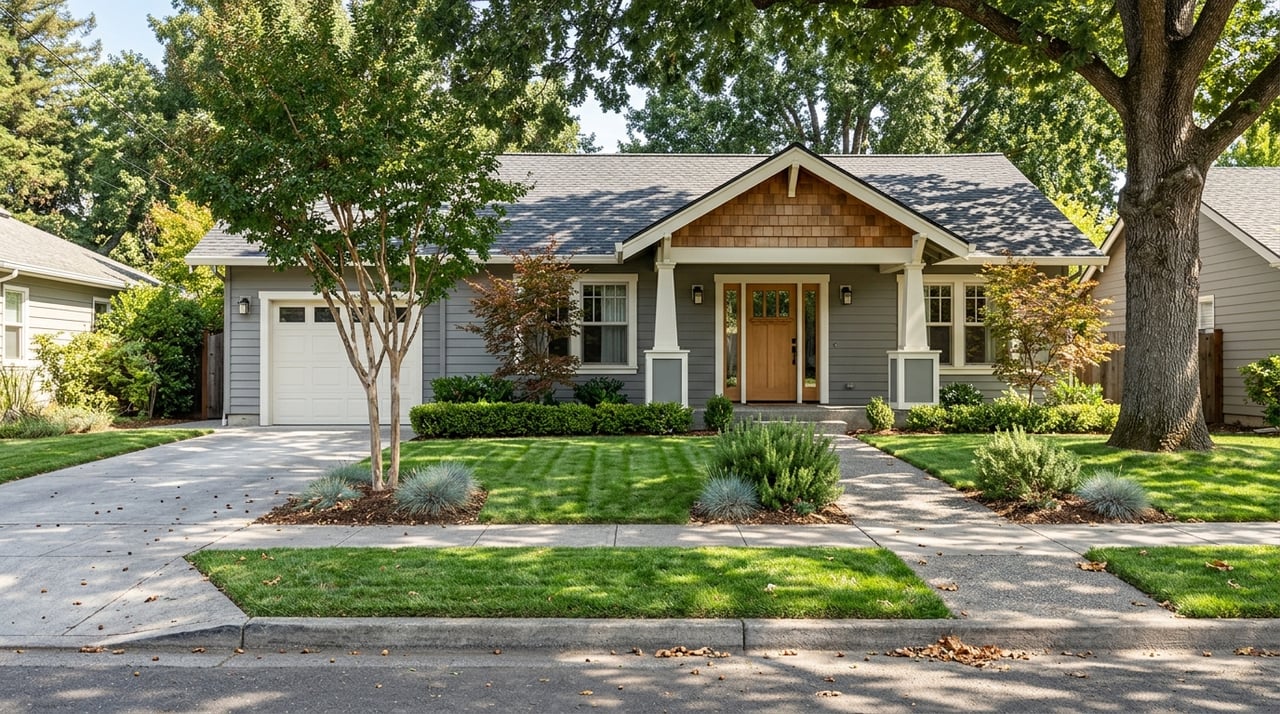
Understanding Fair Oaks Micro-Neighborhoods For Homebuyers
Buying in Fair Oaks can feel simple at first glance, until you realize one community can offer three very different ways to live. You might tour one home near the village, another closer to the river, and a third in a newer pocket, then wonder how they can all be part of the same market. This guide will help you understand the micro-neighborhoods buyers compare most often in Fair Oaks, what each area tends to offer, and which tradeoffs matter most as you narrow your search. Let’s dive in.
Fair Oaks is an unincorporated Sacramento County community with a landscape that is not one-size-fits-all. County planning documents describe the broader area as bounded by the American River, San Juan Avenue, Madison Avenue, and Blue Ravine, with land used primarily for suburban and semi-rural residential development.
That broad definition is helpful, but it does not tell the full story for buyers. In real life, Fair Oaks often feels more like a collection of overlapping micro-neighborhoods than one uniform suburb. A home in the village hills can offer a very different day-to-day experience from a home near the river corridor or in a newer planned pocket.
That is also why public market numbers can feel a little inconsistent. Recent dashboards place Fair Oaks roughly in the mid-$600,000s to around $700,000, depending on the source and time frame, with examples including a median sale price around $700,000, a home value index around $622,087, a median sale price around $645,500, and a median listing price around $670,000 in spring 2026.
The key takeaway is simple: citywide averages are only a starting point. If you want to buy smart in Fair Oaks, you need to compare lifestyle, lot size, home style, parking, and location within the community, not just the headline median.
The village core, often called Old Fair Oaks Village, is one of the most distinct parts of the community. County rules for the Fair Oaks Village Special Planning Area are designed to preserve environmental and historical character, and they note hilly, tree-covered terrain, case-by-case setbacks, and minimal grading to protect the natural landscape.
For you as a buyer, that usually means less of a standard subdivision pattern and more of an individual, custom feel. Homes in this area can include older custom properties, cottages, and irregular lots, with public listing examples showing lot sizes around 0.44 to 0.46 acres.
The biggest draw here is lifestyle. Fair Oaks Village is home to Village Park, the Veterans Memorial Amphitheatre, and the Fair Oaks Theatre Festival Performing Arts Center area, and local organizations describe the village as a place shaped by events, performances, eating, shopping, and community gathering.
If you love the idea of atmosphere, local events, and a more walkable village setting, this area may feel especially appealing. If you want wide streets, easy parking, and a more predictable street grid, it may feel less convenient. The district notes that parking can be limited during performances and village events, so that tradeoff matters.
If your ideal home search includes trails, trees, and quick outdoor access, the river-adjacent areas may be the strongest fit. Homes closer to the American River Parkway often trade some village-core convenience for a quieter, more nature-centered setting.
The American River Parkway is a major local recreation corridor, and the Jedediah Smith Memorial Trail is a 32-mile multi-use trail used for biking, walking, skating, and horseback riding. That outdoor access is a real part of the lifestyle in this part of Fair Oaks, not just a marketing phrase.
Official access points also help define the experience. Ancil Hoffman Park includes 396 acres with ancient oaks, trails, golf, and the Effie Yeaw Nature Center, while areas like Sarah Court and Paradise Beach show how the river edge can range from tucked-away access to swimming and fishing spots.
In this section of Fair Oaks, homes are often described more by setting than subdivision identity. Public listings near the river talk about wooded lanes, secluded surroundings, and retreat-like feel, which can be a big plus if you want privacy, scenery, and recreation close at hand.
Farther from the village and river, Fair Oaks also offers newer suburban-style pockets that feel more familiar to buyers who want lower day-to-day friction. These areas tend to have more predictable lot layouts, attached garages, and a more conventional neighborhood pattern.
Public listing examples in Village Estates show homes built in 2016 on lots roughly between 7,840 and 10,676 square feet, often with cul-de-sac locations and contemporary or Mediterranean styling. Provence Village reflects another option, with gated low-maintenance townhomes, smaller lot footprints, and amenities like treelined pathways, a greenbelt, pool, spa, and clubhouse.
This part of Fair Oaks often lines up well with buyers who want simpler upkeep and easier parking. It can also appeal to anyone who prefers newer systems and a more standardized neighborhood layout over the custom and varied feel of the village or river edge.
Parks are a practical part of the appeal here too. Fair Oaks Park, Gum Ranch Park, and Phoenix Park add everyday amenities such as playgrounds, picnic areas, gardens, a splash pad, pickleball, a bike park, a dog park, and a community garden.
When buyers start narrowing down Fair Oaks, the best question is not just “What is the price?” It is “What kind of daily life do I want?” In this community, that question can make your search much clearer.
For many buyers, the decision comes down to three lifestyle priorities:
You can also compare homes using a few practical filters that tend to matter most in Fair Oaks.
Lot size can vary widely across Fair Oaks, especially when you compare village and river-adjacent homes with newer suburban pockets. If you want a flatter, more predictable lot, newer pockets may feel easier to evaluate. If you love mature trees and a more natural setting, the village hills or river-facing areas may be worth the tradeoff.
Older custom homes, cottages, and irregular floor plans are more common in the village and some river-adjacent areas. Newer pockets are more likely to offer contemporary layouts, attached garages, and a standardized feel.
Neither is better across the board. It depends on whether you value character and uniqueness or convenience and consistency.
Parking can be a bigger lifestyle factor than buyers expect, especially near the village core. If you plan to attend local events often, that may be a plus. If you want simple day-to-day parking and a more conventional street pattern, a newer pocket may fit better.
Fair Oaks has strong amenities, but they are experienced differently depending on where you live. The village functions as a social and civic hub with performances, markets, and festivals, while river-adjacent areas lean into recreation and the newer pockets often connect more naturally to neighborhood parks and everyday outdoor amenities.
San Juan Unified serves Fair Oaks and neighboring communities, and neighborhood school assignments are based on the home address. If school attendance boundaries are part of your decision, it is important to verify the assignment for each specific property rather than assume a general Fair Oaks address tells the whole story.
Current public data suggests Fair Oaks remains a competitive market, with signs such as a median sale price around $700,000 over a recent three-month period, about 15 days on market in one dataset, and many homes receiving multiple offers. Other dashboards show a median sale price around $645,500 and a sale-to-list ratio around 100% to 1.001.
Those figures are useful, but they do not replace neighborhood-by-neighborhood judgment. A village hillside home, a wooded property near the river, and a newer townhome can all sit under the same Fair Oaks label while attracting very different buyers.
That means your best strategy is to compare homes inside the right micro-neighborhood category first. Once you know whether you want village energy, river access, or newer suburban convenience, the pricing and inventory picture becomes much easier to interpret.
If you are feeling torn between Fair Oaks options, start with the kind of routine you want most. Picture your weekends, your parking habits, your ideal lot, and how much home maintenance or terrain complexity feels comfortable to you.
Then ask yourself these three questions:
Your answers will often point you toward the right part of Fair Oaks faster than price alone. In a community this varied, lifestyle fit is one of the smartest filters you can use.
Fair Oaks works best when you see it for what it is: not one uniform suburb, but a cluster of distinct living experiences. If you match your budget with the right micro-neighborhood, you can make a more confident decision and avoid chasing homes that look right on paper but feel wrong in person.
If you want help comparing Fair Oaks homes by lifestyle, lot type, and day-to-day fit, reach out to Melissa Allman for a thoughtful, local home search strategy.
Stay up to date on the latest real estate trends.
Curtis Park
Upper Land Park
Land Park CA
Land Park CA
Upper Land Park
Curtis Park
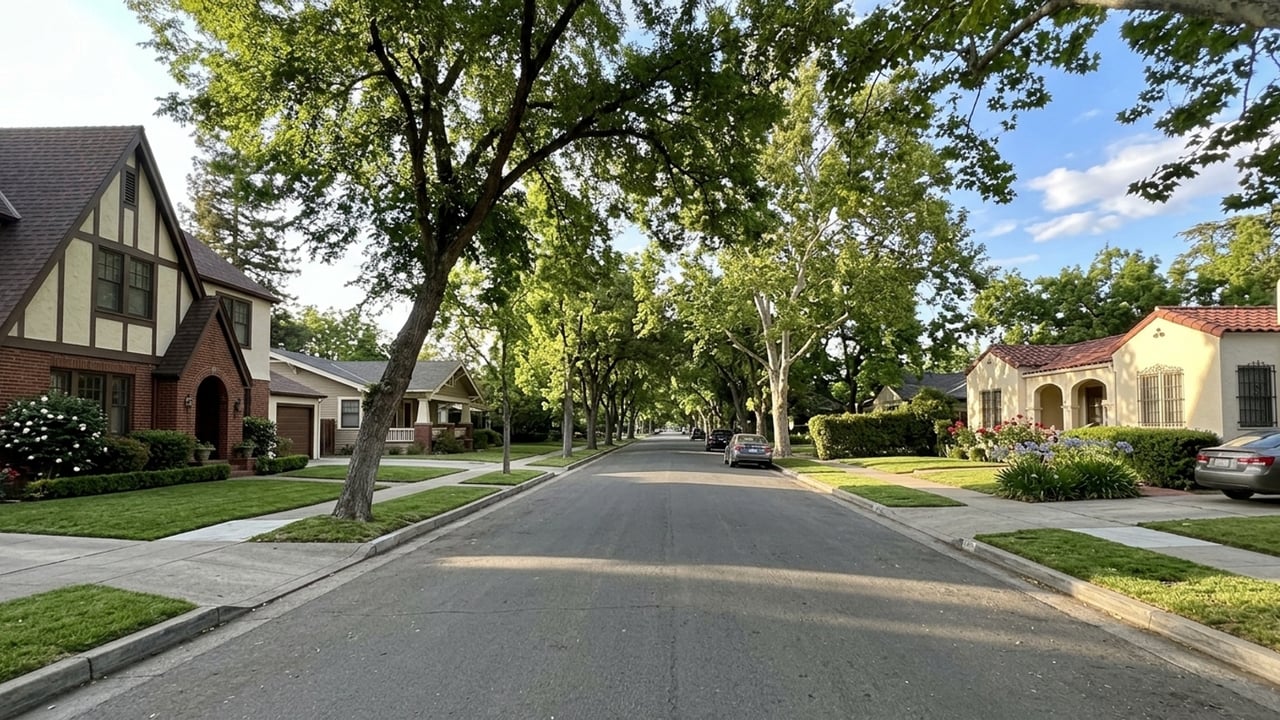
Land Park CA
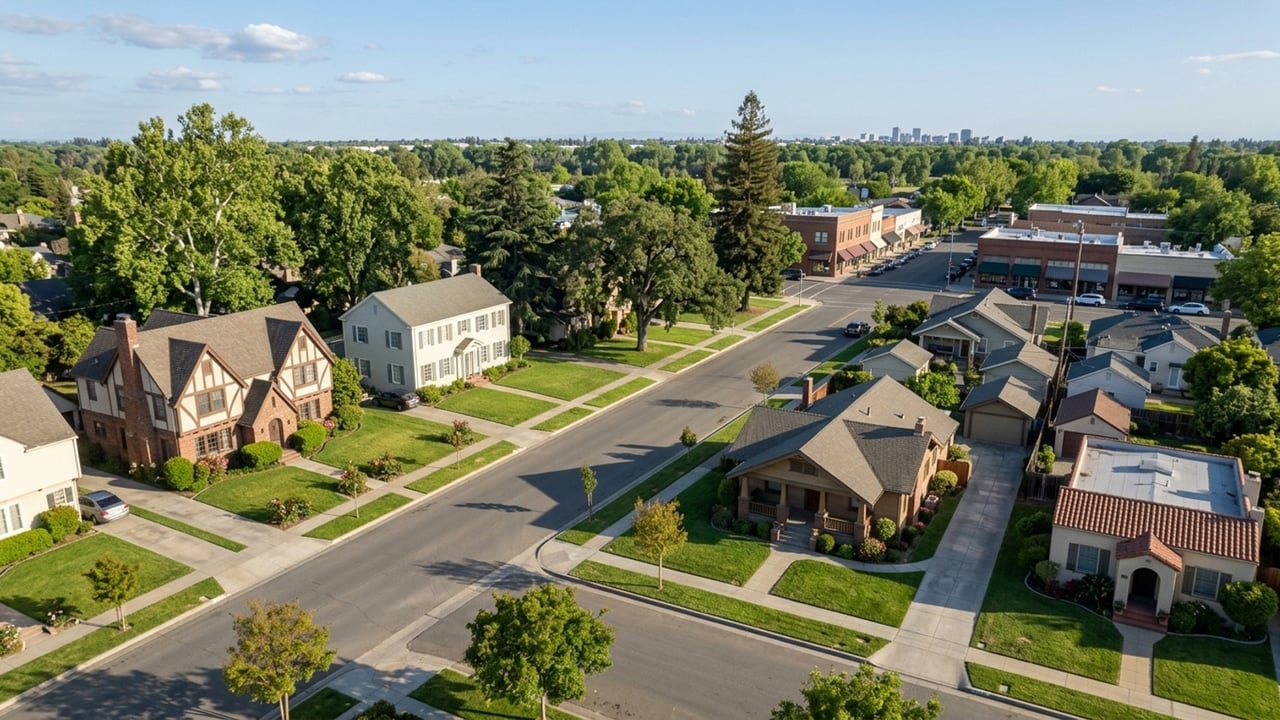
East Sacramento
Your real estate goals are within reach, and we’re here to be your guide. Whether you’re searching for your first home, looking to build your investment portfolio, or ready to maximize the sale of your property, MegaBliss Real Estate will provide the support, expertise, and dedication you need to reach your goals.
Get In Touch With Our Team To Learn More
730 I Street, Suite 200 Sacramento CA 95814 Melissa Allman | CA DRE# 01397300