
What You Need to Know About Seller Disclosures in East Sacramento, CA in 2026
East Sacramento
East Sacramento
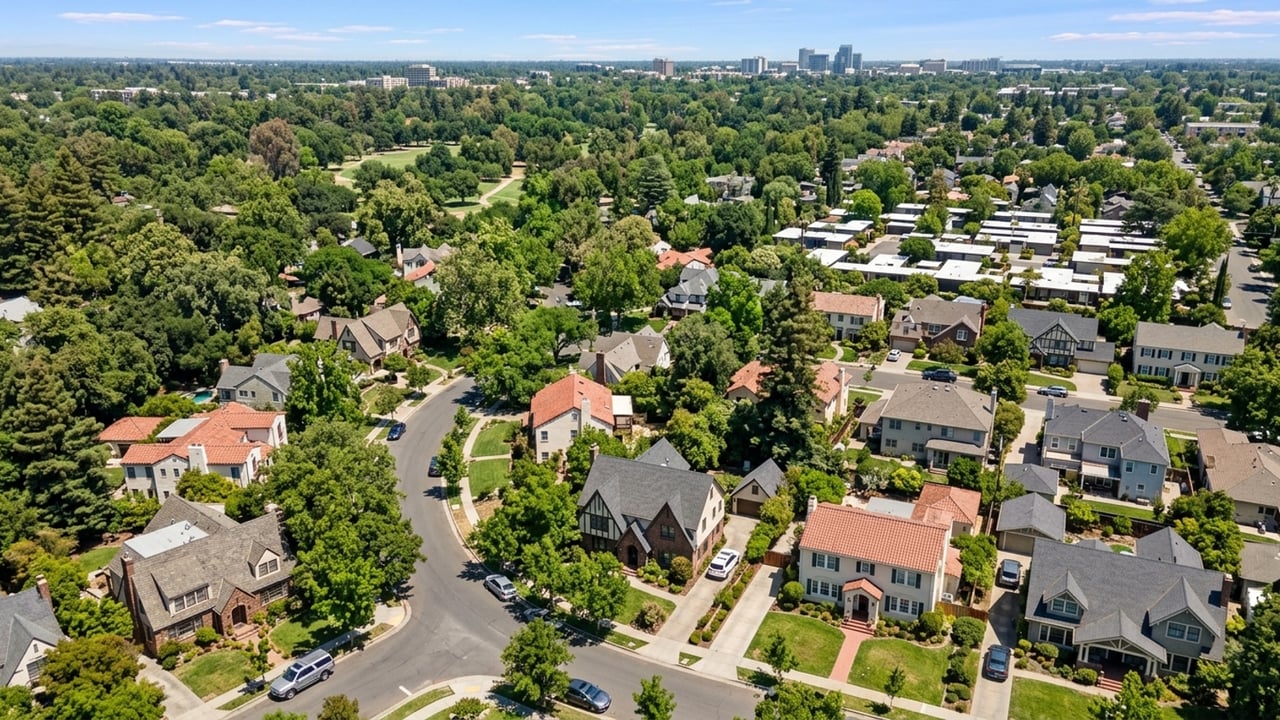
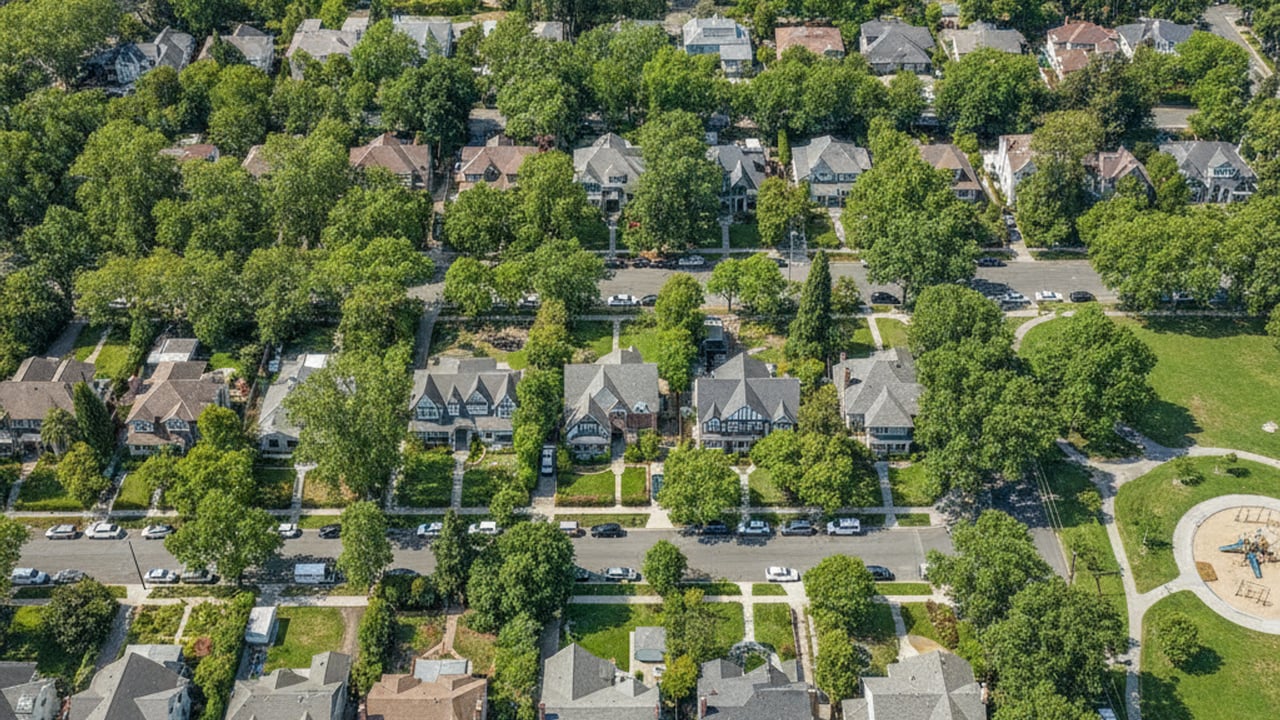
East Sacramento is known for its classic architecture, mature tree canopies, and historic properties dating back to the 1920s. Selling a home here involves a mountain of paperwork, and the state's disclosure requirements take up a large portion of that stack.
A home seller in California is legally obligated to share what they know about their property's condition with potential home buyers. Getting these forms right protects the buyer's investment and shields the seller from future lawsuits.
California Civil Code Section 1102 requires sellers to provide buyers with specific documents detailing the property's condition. The foundational document in this process is the Transfer Disclosure Statement, commonly called the TDS form. This form asks you to check boxes for every item included in the sale, from pool heaters to smoke detectors, and note any known malfunctions.
Sellers also complete the Seller Property Questionnaire (SPQ). This document digs deeper into known material facts that could affect the property's value or desirability. You will answer questions about past insurance claims, neighborhood noise, and prior repairs.
The state designs these documents to create transparency between the two parties. Buyers rely on your answers to budget for immediate repairs or future maintenance needs.
The law asks you to disclose what you already know, not to hire someone to find new problems. You should answer these questions honestly based on your own daily experience living in the house.
Much of the housing inventory in East Sacramento, CA consists of properties built long before 1978. Because of this age, federal law dictates that sellers must provide a lead-based paint disclosure to buyers. You will need to hand over any existing records regarding lead paint and give buyers an EPA-approved information pamphlet.
Buyers will also receive a Natural Hazard Disclosure (NHD) report during the transaction. An independent third-party company generates this report to identify whether the home sits in an earthquake fault zone, a high fire hazard severity zone, or a designated flood plain.
Flood zones require special attention in this part of the city. Because East Sacramento sits close to the American River, the NHD will specify the home's exact flood risk tier and note local levee protections.
Buyers use this flood data to determine their insurance premiums before closing. The NHD arrives as a massive document, but the summary page highlights the specific environmental risks tied to your address.
Homeowners often update older houses over the decades, and not every past owner pulls the proper city permits for that work. Unpermitted additions do not prevent a home sale, but you must document them clearly on the SPQ. A buyer needs to know exactly what they are inheriting before they sign the final paperwork.
You should gather documentation for several common property issues before listing your home. Reviewing your own records early gives you time to track down missing invoices or past inspection summaries.
Unpermitted modifications: Detail any known bathroom additions, garage conversions, or electrical panel upgrades completed without city approval.
Boundary disputes and easements: Disclose shared driveways, shared fences with neighbors, or utility easements that cross your lot lines.
Pest and structural reports: Provide recent inspection report findings covering termite damage, dry rot, or other structural compromises.
Sharing a recent pest inspection report upfront gives buyers a clear picture of the home's structural health. A real estate agent can help you organize these documents into a single disclosure packet.
Many lots in East Sacramento feature shared fences or zero-lot-line garages. You should explicitly point out these shared boundaries so the new owner understands their maintenance responsibilities.
The standard California Residential Purchase Agreement gives sellers exactly seven days after an accepted offer to deliver all required disclosures. This timeline includes the TDS, SPQ, and the NHD report. Buyers then have a set review period to read through these documents and assess the property's condition.
During this review window, the buyer can request repairs, ask for financial credits, or cancel the contract entirely. Providing complete and accurate information on day one prevents delays later in the escrow period.
If a seller misses the seven-day delivery deadline, the buyer gains additional rights to cancel the transaction. Late disclosures trigger a new review period, which pushes the closing date back.
Handing over a well-organized disclosure packet early in the process keeps the transaction moving forward. You should work with your agent to fill out these forms before the home ever hits the market.
Listing a home "as-is" simply means you do not intend to pay for repairs, but it does not erase your legal duty to disclose a known latent defect. A latent defect is a hidden issue that a standard home inspection might not catch. Common examples include a seasonal roof leak or a cracked foundation covered by drywall.
Failing to report known material facts opens the door to severe legal liability. If a buyer discovers a major hidden issue after moving in, they can file a lawsuit for misrepresentation or breach of contract.
The standard California purchase contract includes a mediation clause to handle these disputes before they hit a courtroom. However, mediation still costs money and time, and sellers often end up paying for the undisclosed repairs.
The statute of limitations for fraud or breach of contract allows buyers to seek damages years after the closing date. You should consult a real estate attorney for legal advice if you are unsure whether a specific past repair warrants disclosure.
Yes, the state exempts certain types of transfers from the standard TDS requirement. Probate sales, foreclosure sales, and transfers between co-owners or spouses generally do not require these forms. However, exempt sellers must still disclose known material facts that affect the property's value.
California law states that you must disclose if a death occurred on the property within the last three years. You do not need to disclose the exact cause of death unless the buyer asks directly. If a buyer asks, you are legally required to answer truthfully regardless of when the event happened.
An "as-is" clause only tells the buyer you will not perform repairs before closing. It offers zero protection if you actively hide a known issue like a failing HVAC system or a history of plumbing backups. Buyers can still sue for the cost of damages if they prove you withheld material facts.
Stay up to date on the latest real estate trends.

East Sacramento
Land Park CA

Land Park CA
Land Park CA

Land Park CA

Land Park CA
Your real estate goals are within reach, and we’re here to be your guide. Whether you’re searching for your first home, looking to build your investment portfolio, or ready to maximize the sale of your property, MegaBliss Real Estate will provide the support, expertise, and dedication you need to reach your goals.
Get In Touch With Our Team To Learn More

1007 7th St Ste 400 Sacramento CA 95814 Melissa Allman | CA DRE# 01397300