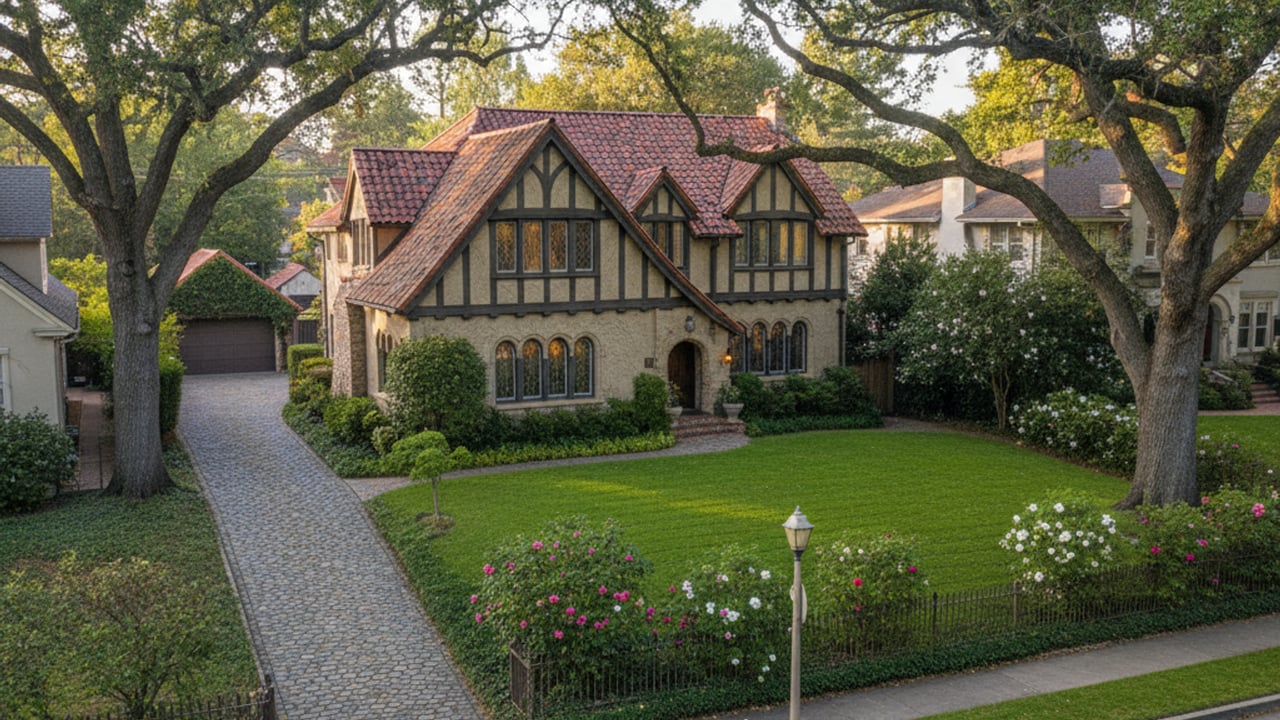
Selling Your Home: A Guide to Seller Closing Costs in Land Park, CA for 2026
Land Park CA
Land Park CA
Homeowners preparing to list their properties in Sacramento often focus entirely on the asking price. The final amount of money deposited into your bank account depends largely on the fees deducted at the closing table. Seller Closing Costs in Land Park, CA typically run between 5 and 8 percent of the total purchase price.
These expenses cover the professional services, local taxes, and administrative tasks required to transfer property ownership in California. A seller listing a home at the neighborhood median of $785,000 can expect to pay tens of thousands of dollars in fees before the mortgage payoff. Understanding these line items ahead of time helps you accurately project your net proceeds.
Waiting until the escrow officer sends the final settlement statement leaves little room to adjust your financial plans. Sellers who review estimated costs early can make informed decisions about pricing strategies and negotiation tactics. Knowing your exact bottom line ensures you have the necessary funds for your next home purchase.
The State of California does not set fixed rates for real estate transactions. Most closing costs are determined by local Sacramento customs and the specific service providers chosen for the sale.
Sellers take on the bulk of the transaction fees compared to buyers. This setup exists because the seller's proceeds usually fund the real estate commissions for both sides of the transaction. The total percentage fluctuates based on the final purchase price and the terms negotiated in the listing agreement.
Neighborhood characteristics also influence your final bill. Land Park features many historic properties built in the early-to-mid 20th century. Selling an older home often involves upfront investments in specialized inspections or deferred maintenance repairs before the property even reaches the MLS.
Holding costs also eat into your final equity while the home remains active on the market. Every month the property sits unsold requires another mortgage payment, utility bill, and property tax installment. Pricing the home correctly from day one minimizes these ongoing expenses and preserves your net profit.
The average total real estate commission in Sacramento sits around 5.47 percent of the purchase price. This fee represents the single largest deduction from your gross equity.
Beyond the broker fees, sellers face a series of administrative and tax levies. The escrow company acts as a neutral third party, managing the funds and ensuring all documents are properly signed and recorded. Escrow fees cover the overhead of coordinating the transaction between the buyer, seller, lenders, and local government offices.
Title insurance protects the new owner from past claims against the property. The owner's title policy guarantees that the seller has the legal right to transfer the home and that no undisclosed liens exist. Transfer taxes are another major line item assessed by local municipalities whenever real estate changes hands.
The agent commission compensates both the listing broker and the buyer's broker for their work. Sellers should review their listing agreements to understand exactly how this total percentage is divided between the two offices. This fee covers marketing the property, hosting showings, and managing the contract negotiations.
Sacramento County levies a documentary transfer tax of $1.10 per $1,000 of the sale price. The City of Sacramento adds its own transfer tax of $2.75 per $1,000. Combined, a seller within the city limits pays $3.85 per $1,000 of the final purchase price.
While single-family homes dominate the area, some specific subdivisions and condo complexes require HOA dues. Sellers must pay for the HOA management company to produce document packages and transfer ownership records. The escrow officer will also collect any prorated monthly dues owed up to the exact closing date.
California law allows buyers and sellers to negotiate who pays for specific closing costs. Local market customs in Sacramento dictate the starting point for these discussions.
Sellers traditionally cover the real estate commissions and the municipal transfer taxes. Buyers generally pay for their own loan origination fees, appraisal costs, and the lender's title insurance policy. These customary splits help streamline the initial contract writing process.
Certain expenses are shared evenly to reflect mutual benefit. Escrow fees are usually split 50/50 between the buyer and the seller in Sacramento County. The seller customarily pays for the owner's title insurance policy, providing the buyer with a clear title guarantee.
Buyers may occasionally ask the seller to cover a portion of their loan costs through seller concessions. This strategy lowers the buyer's out-of-pocket expenses but directly reduces the seller's final take-home pay. Sellers should evaluate these requests carefully against the overall strength of the purchase offer.
The median sale price for a single-family home in Land Park is $785,000 as of May 2026. A seller closing at this price point faces a predictable set of deductions.
Calculating these fees upfront prevents surprises when the escrow officer sends the final settlement statement. The figures below represent standard estimates for a transaction in this zip code. Sellers should subtract the following estimated costs from the $785,000 purchase price to project their gross proceeds.
Agent Commission (5.47%): $42,939
Combined Transfer Taxes ($3.85 per $1,000): $3,022
Estimated Escrow and Title Fees: $4,000
Total Estimated Closing Costs: $49,961
After deducting these estimated $49,961 in typical closing costs, the seller is left with $735,039. The escrow company uses these funds to pay off the remaining mortgage balance before wiring the final net proceeds to the seller's bank account.
Any secondary loans, home equity lines of credit, or contractor liens will also be deducted from this gross amount. Sellers receive a preliminary settlement statement a few days before closing to review all final mathematical calculations.
California sellers must complete a Real Estate Transfer Disclosure Statement (TDS) and a Natural Hazard Disclosure (NHD) before closing. These documents outline known property defects and environmental risks.
Preparing a property in Land Park often requires additional upfront spending. The neighborhood is known for its mature tree canopy and older architecture, which can lead to specific maintenance issues. Sellers frequently pay for pre-listing pest inspections or roof certifications to identify hidden problems before buyers tour the home.
Buyers who conduct their own inspections may request financial credits or physical repairs before agreeing to close. Sellers should budget a small reserve fund to handle these negotiation requests. Fixing minor plumbing leaks or electrical hazards early prevents deals from falling apart at the last minute.
You will also need to settle any outstanding property-related debts at the closing table. The escrow officer will calculate prorated property tax bills based on the exact day the transaction records with the county. Sellers who have already prepaid their property taxes for the semester will receive a prorated refund from the buyer.
Sellers can shop around for different service providers to lower their overall transaction expenses. Title and escrow fees vary widely between different Sacramento companies.
The most direct way to reduce costs is to negotiate the real estate commissions before signing a listing agreement. Some brokerages offer tiered service packages or flat-fee models that provide an alternative to the standard percentage-based commission. Sellers should weigh the cost savings against the level of marketing and support provided by the agent.
Sellers can also counteroffer during the negotiation phase to shift certain expenses onto the buyer. If multiple buyers submit offers, you might ask the winning bidder to cover the entire escrow fee or pay the city transfer tax. Your ability to shift these costs depends entirely on the current demand for homes in the area.
Yes, nearly every fee associated with a real estate transaction can be negotiated. You can ask your agent to accept a lower commission rate or request that the buyer cover specific line items like the transfer taxes.
Properties built several decades ago often require specialized evaluations for aging plumbing, electrical panels, or roofs. Identifying these issues early allows you to price the home accurately and avoid offering large repair credits during escrow.
The real estate agent commission represents the largest deduction from your sale proceeds. On a median-priced home in Sacramento, this fee routinely exceeds $40,000.
Stay up to date on the latest real estate trends.
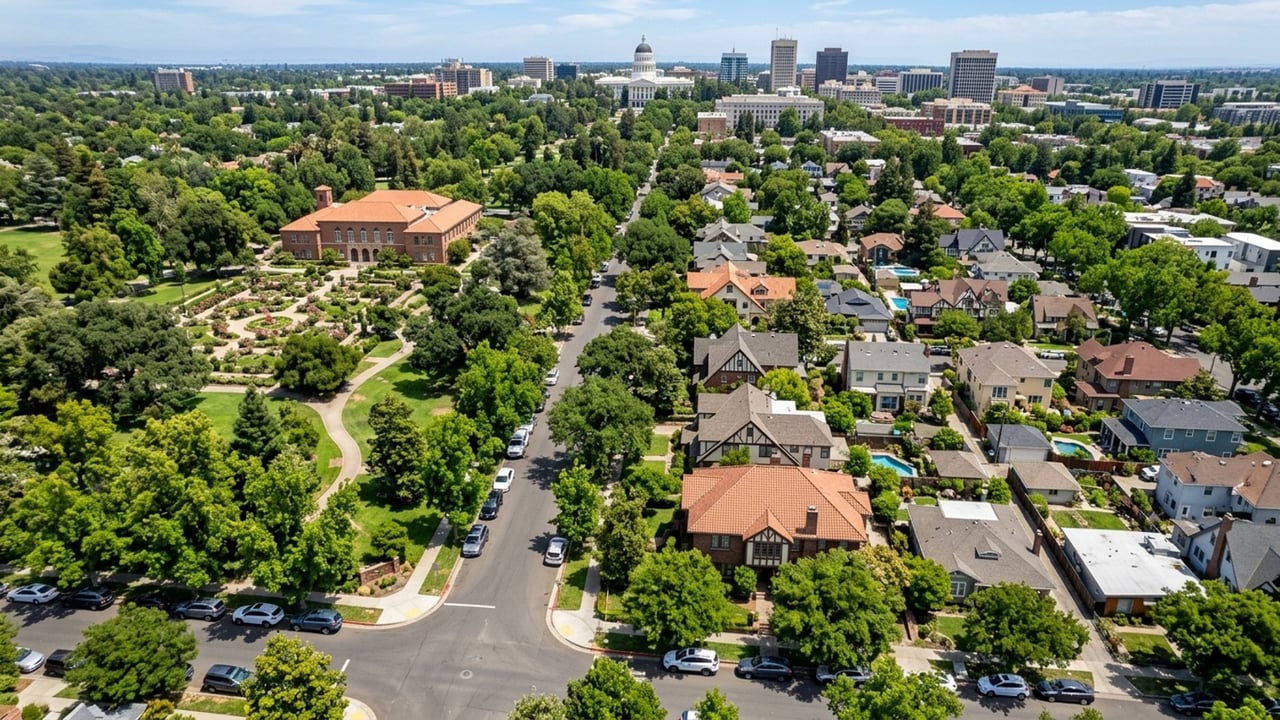
East Sacramento
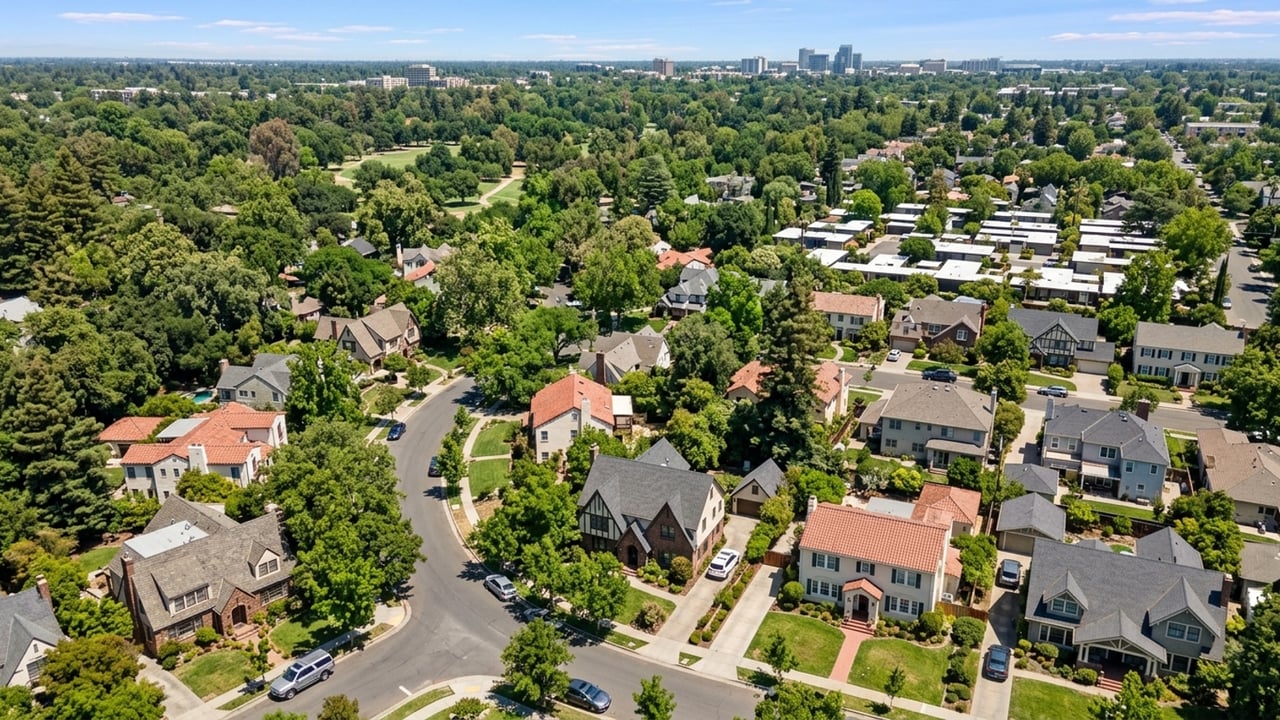
Land Park CA
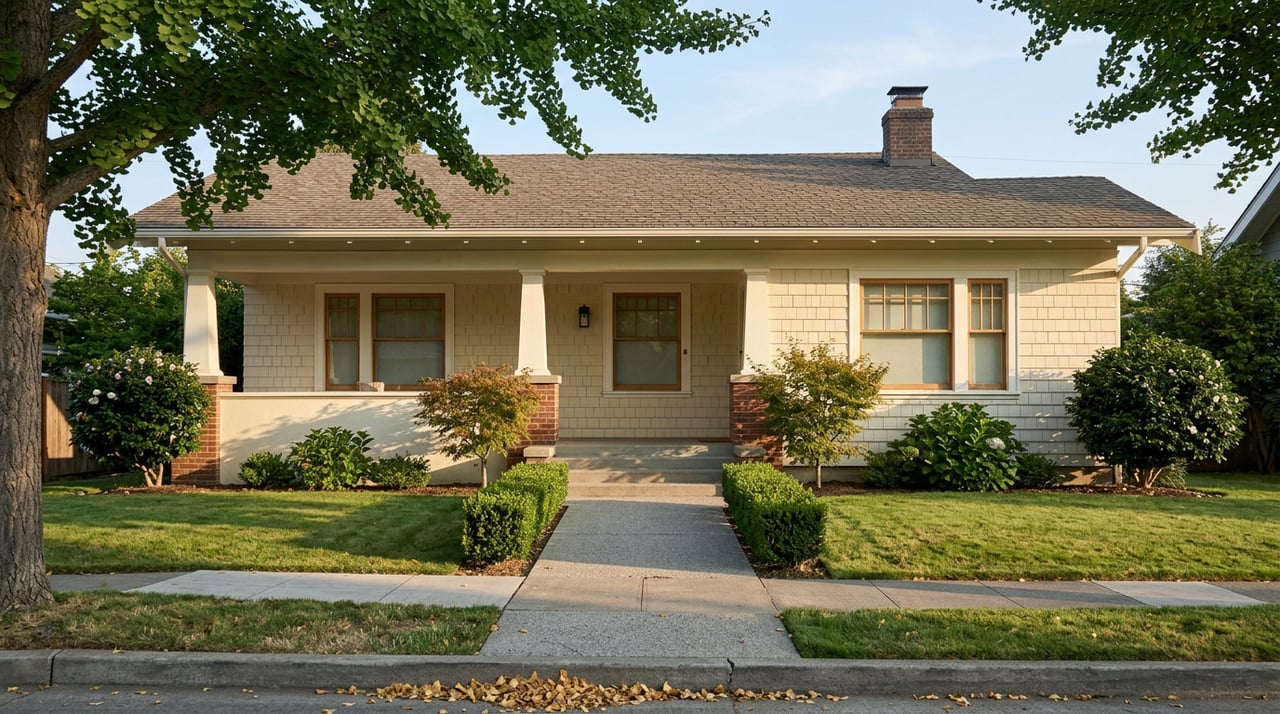

Land Park CA
Land Park CA
Land Park CA

Land Park CA
Your real estate goals are within reach, and we’re here to be your guide. Whether you’re searching for your first home, looking to build your investment portfolio, or ready to maximize the sale of your property, MegaBliss Real Estate will provide the support, expertise, and dedication you need to reach your goals.
Get In Touch With Our Team To Learn More

1007 7th St Ste 400 Sacramento CA 95814 Melissa Allman | CA DRE# 01397300