Guide to Retirement Communities and Senior Living in East Sacramento, CA
East Sacramento
East Sacramento
The median home price in East Sacramento sits around $800,000, and available properties spend roughly 9 days on the market before selling. If you're looking at retirement communities and considering living in East Sacramento, CA, that context matters - homes frequently sell for about 2% over list price, and there are only about 39 homes on the market at any given time.
Whether you want an active-adult setup or a continuing care facility, knowing exactly what type of care and amenities you need before you start looking isn't just good advice. In a market that moves this fast, it's the only way to avoid losing out.
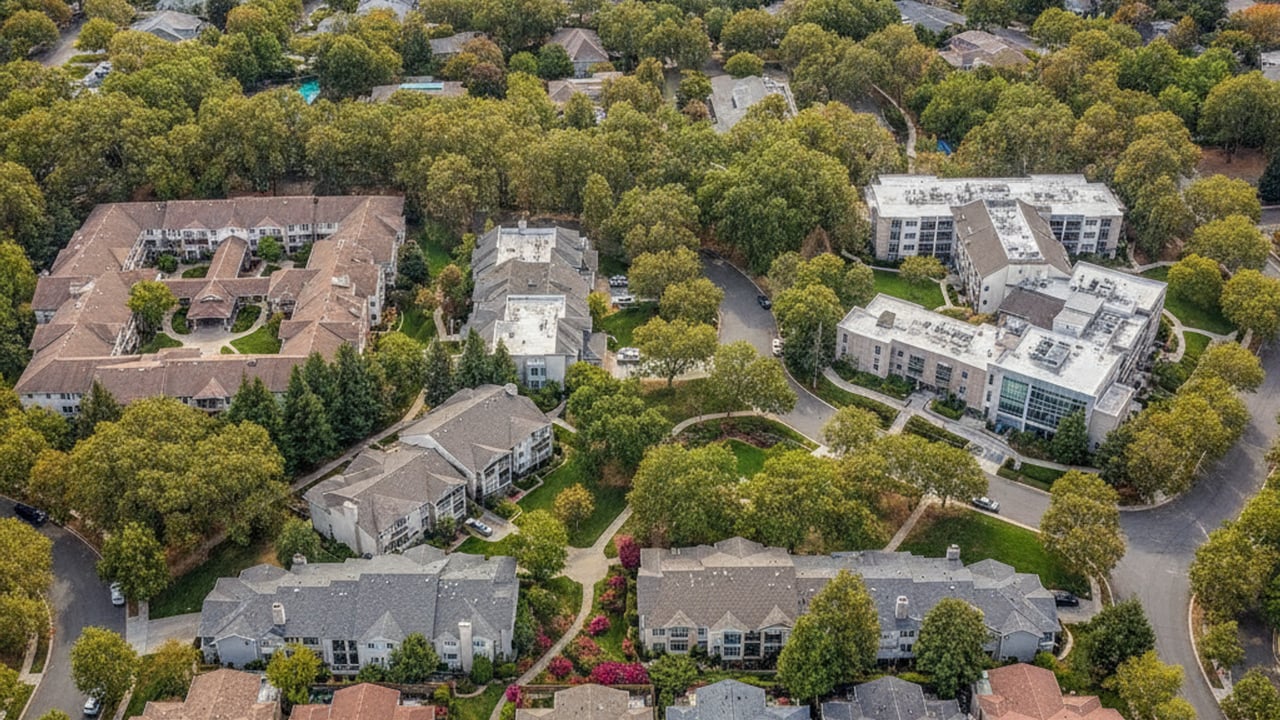
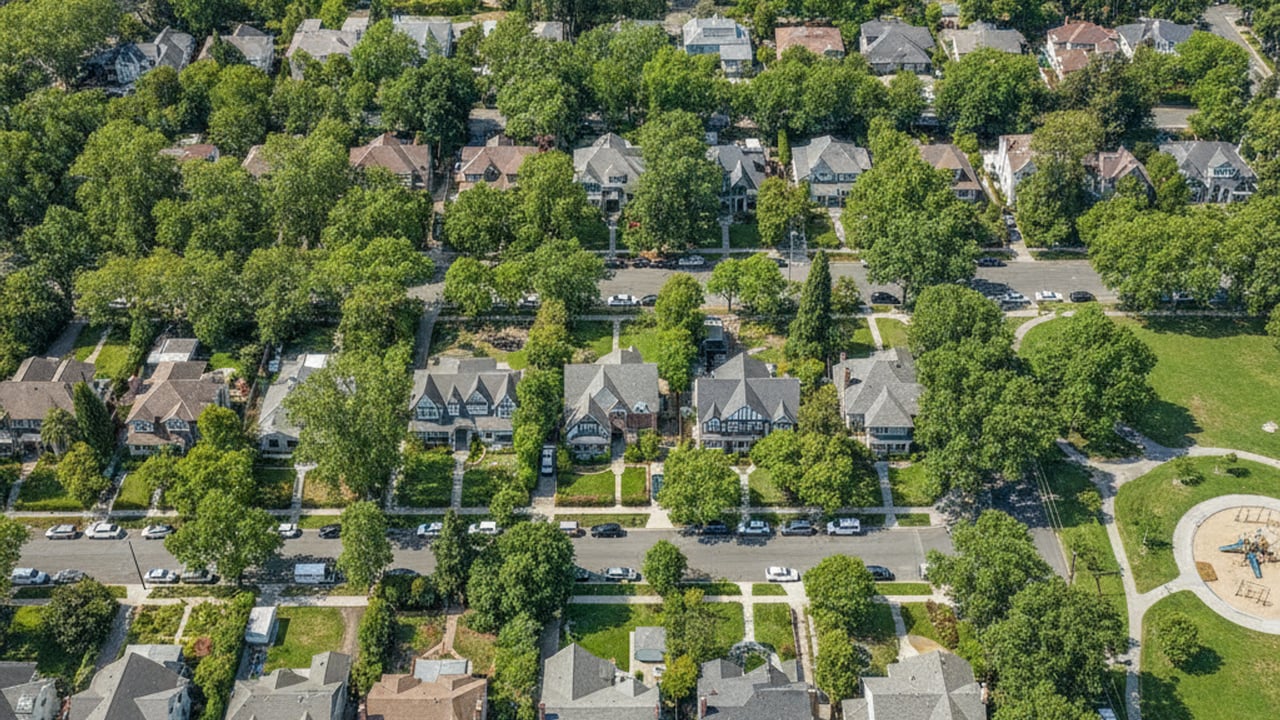
East Sacramento sits about four miles from Midtown and Downtown, bordering California State University, Sacramento. You'll find tree-lined streets, upscale condominiums, and townhomes - not the sprawling senior campus environment you might picture.
Finding a 55-and-older community here means deciding between independent living, assisted living, or continuing care. Each tier offers different levels of support, ranging from basic exterior maintenance to daily medical care. That range is wide, and the right fit depends entirely on where you are now and where you expect to be in five or ten years.
Independent living communities are for older adults who want to be free of yard work and home repairs without giving up much else. Assisted living facilities step it up - help with medication management, meals, daily tasks. Continuing care retirement communities, CCRCs, combine both under one roof, so you can move to a higher level of care without packing up and starting over somewhere new.
The East Sacramento neighborhood itself has limited dedicated senior housing, but nearby areas fill in the gaps. Campus Commons Senior Living operates in Arden Arcade, and The Riverview 55+ is in Old Sacramento.
Most active-adult properties follow the 80/20 rule, a federal guideline under the Housing for Older Persons Act. At least 80% of occupied units must have at least one resident who is 55 or older.
The remaining 20% can technically house younger residents, but individual communities can set stricter internal policies. Before you assume your household qualifies, read the HOA documents carefully - that's where the real rules live.
Oakmont of East Sacramento operates directly in the neighborhood, offering luxury senior living and active-adult accommodations. Assisted living, memory care, concierge services, chef-prepared meals, and a chauffeur service are all part of the package.
Outside of dedicated facilities, plenty of older adults choose to downsize into the neighborhood's standard single-story homes or upscale apartments instead. That's a legitimate path, and one worth keeping on the table as you think through your options.
McKinley Park is the anchor here - rose garden, walking paths, outdoor movie nights. The area also hosts local festivals and has a strong dining scene nearby.
Access to medical care is usually near the top of the list for buyers in this stage of life. Mercy General Hospital and Sutter Memorial Hospital both serve the broader East Sacramento and Arden areas.
Low-income senior housing directly within East Sacramento's boundaries is hard to find - no income-restricted properties are confirmed in this specific neighborhood. Broader Sacramento-area options, including HUD Section 202 and Low-Income Housing Tax Credit (LIHTC) communities, exist citywide if that's the direction you need to look.
For reference, the 2026 California Department of Housing and Community Development sets the "Low Income" limit for a one-person household in Sacramento County at $73,600. For a two-person household, that rises to $84,100.
General apartment rents in East Sacramento run roughly $1,525 to $2,832 per month, though specific averages for 55-and-older apartments aren't publicly broken out. Nationally, independent and assisted living communities range from about $2,000 to over $5,000 per month depending on care level.
If you're buying into an age-restricted community rather than renting, HOA dues come with the territory - they cover shared amenities and exterior maintenance. And if you're looking at a CCRC, there's an upfront entrance fee to plan for before you ever sign anything.
California CCRC entrance fees statewide typically start around $100,000 and can reach up to $1,000,000. A commonly cited state and national average hovers near $402,000. That fee is what secures your long-term access to escalating levels of care.
People always ask about government coverage. Medicare does not generally pay for long-term assisted living or room and board, though it may cover specific short-term medical procedures or rehabilitation stays. California's Medi-Cal program sometimes offers waivers for assisted living, but eligibility depends on income limits.
Buying in the current East Sacramento market means working with a 1.7-month supply of homes - low by any measure. Purchasing locks in your housing costs, but renting keeps your options open if you need to move closer to family or transition to a different care facility down the road.
Renting avoids property taxes and large down payments. Buying means you're building equity in a market where more than half of recent sales closed above list price. There's no universal right answer - it comes down to your timeline and financial situation.
More than half of the homes sold in East Sacramento recently went for above their list price. Demand is real. Moving into a dedicated retirement community here comes with genuine advantages, but also trade-offs worth understanding before you commit.
The main appeal is a maintenance-free lifestyle - no roof repairs, no landscaping, no exterior painting - combined with immediate access to peers and on-site amenities.
Cost is the most common sticking point, especially the monthly fees that tend to increase over time. Community rules around visitors, pets, and exterior modifications can also feel restrictive if you're used to doing whatever you want with your own home.
If an assisted living facility isn't financially feasible, other paths exist - downsizing into a smaller single-story home, looking into Sacramento County subsidized housing, or multi-generational living with family. None of those are fallback options to be embarrassed about. They're just different choices.
When you visit a property like Oakmont of East Sacramento, ask about staff turnover, meal schedules, and exactly what the monthly fee covers. Read the contract carefully, especially the refund policies for entrance fees.
Eat a meal in the dining room. Talk to current residents. A promotional brochure will tell you what management wants you to hear - the residents will tell you everything else.
Yes, both exist in the area. Oakmont of East Sacramento offers luxury active-adult accommodations alongside assisted living and memory care. Nearby neighborhoods also host options like Campus Commons Senior Living and The Riverview 55+.
It depends on the facility type. Specific East Sacramento HOA averages vary, but continuing care retirement communities in California typically require entrance fees starting around $100,000 and averaging near $402,000. Monthly costs for independent or assisted living nationally range from $2,000 to over $5,000.
Yes, in most cases. The federal 80/20 rule requires that 80% of the units have at least one resident aged 55 or older. As long as one spouse meets the age requirement, the younger spouse is usually permitted to live there - though individual community rules apply, so verify before you assume.
Wait times vary by facility and unit type. East Sacramento has limited dedicated senior housing and a tight real estate market with only 1.7 months of supply, so popular communities often maintain waitlists. Contact the specific property directly for current availability.
It depends on your need for care and amenities. Downsizing to a single-story home lets you avoid entrance fees and strict community rules. Moving into a facility like Oakmont of East Sacramento gets you chef-prepared meals, chauffeur services, and built-in medical support. Neither is the wrong answer - it depends on what you actually need right now.
Selling an age-restricted property limits your buyer pool to those who meet the 55-and-older requirement. Some continuing care facilities also require you or your estate to sell the unit back to the community, or pay a transfer fee upon sale. That's worth knowing before you buy.
Stay up to date on the latest real estate trends.

Land Park CA
Land Park CA
Land Park CA

Land Park CA
Land Park CA
Land Park CA
Your real estate goals are within reach, and we’re here to be your guide. Whether you’re searching for your first home, looking to build your investment portfolio, or ready to maximize the sale of your property, MegaBliss Real Estate will provide the support, expertise, and dedication you need to reach your goals.
Get In Touch With Our Team To Learn More
1007 7th St Ste 400 Sacramento CA 95814 Melissa Allman | CA DRE# 01397300