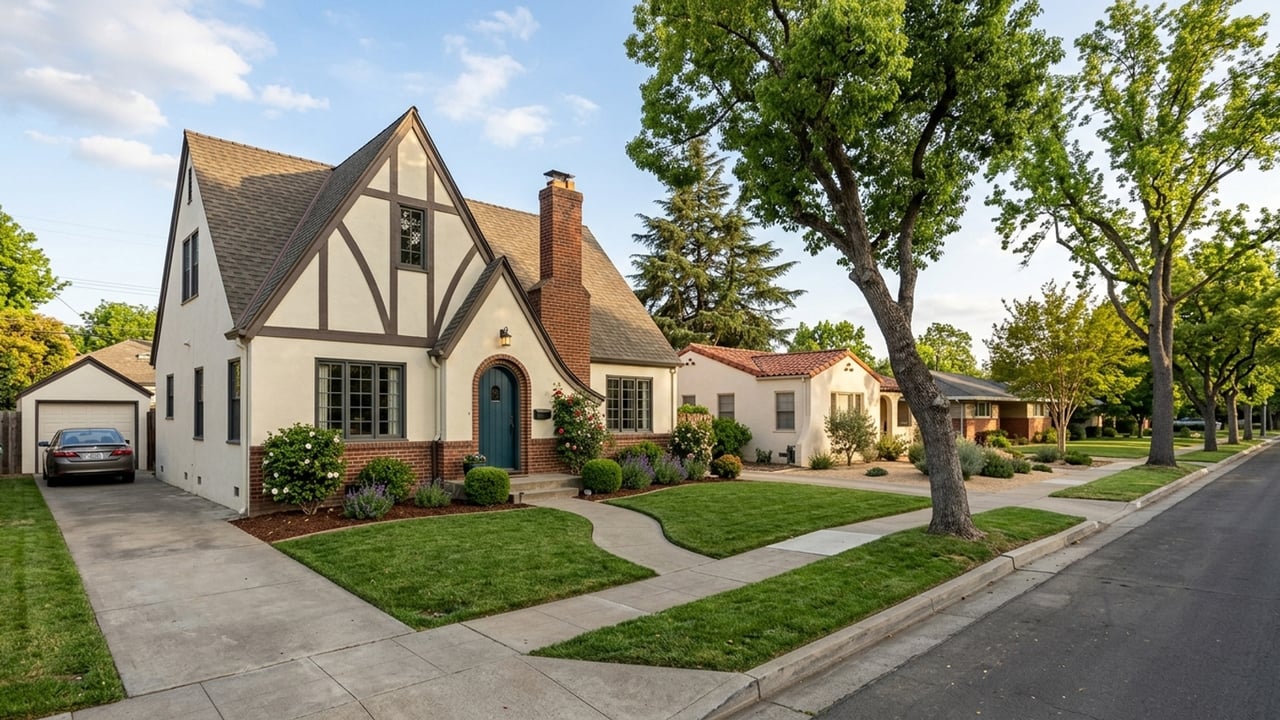
How to Stage Your Home for Sale in Land Park, CA
Land Park CA
If you plan to sell a home in Land Park, CA, preparation is key. Homes in Land Park are moving fast right now - roughly 14 days on market, with a median sale price around $807,000. About 38% of homes here close above asking price, which tells you something important: buyers aren't just browsing, they're competing.
That competition works in your favor if your home is ready for it. Applying specific home staging tips in Land Park, CA helps buyers picture themselves living in the space rather than fixating on your furniture, your photos, and the life you've built there.
When people walk through a house at this price point, they're looking for flow, light, and a sense of space that justifies writing a very large check. A polished layout removes the friction between what they see and what they want to feel.
In a neighborhood like this one, with its architectural character and strong buyer demand, that matters more than people expect. A well-arranged room lets buyers notice the hardwood floors or the fireplace - instead of spending their mental energy working around an oversized sectional.
The numbers back this up. According to the 2025 Profile of Home Staging from the National Association of Realtors (NAR), 49% of sellers' agents reported that staging reduced the time a home spent on the market.
The financial case is just as clear. That same 2025 NAR report found that 29% of agents noted staging led to a 1% to 10% increase in the dollar value buyers offered.
Buyers - even experienced ones - struggle to mentally furnish an empty room or see past a cluttered one. Arranging furniture to define each space's purpose gives them a clear picture of how their life fits there.
Remove the family photos. Pack away the daily clutter. What you're left with is a property, not a home that belongs to someone else - and that shift matters enormously to someone trying to imagine moving in.
What you'll spend depends almost entirely on whether you're renting furniture or rearranging what you already own. Nationally, the median spent on professional staging is $1,500, versus $500 when sellers handle it themselves.
Sacramento pricing reflects local market conditions and project scope. Angi's local data shows an average cost of around $1,800, with a typical range between $150 and $5,000.
For a standard occupied home in Sacramento, whole-home professional staging runs roughly $1,500 to $4,000. If the stager works primarily with your existing furniture and supplements with their own decor, you're typically looking at $1,000 to $3,000.
If you just want a professional eye without the full service, hourly consulting is an option - rates in Sacramento run about $140 to $150 per hour.
Sellers willing to put in the work can stay close to that $500 national DIY median. That budget typically covers fresh paint, new throw pillows, updated light fixtures, and a storage unit for the belongings you need to get out of the way.
Neutral borrowed decor and inexpensive accents can do more than you'd think. The real cost here isn't money - it's your time.
Empty houses cost more to stage because the professional is supplying everything - furniture, rugs, artwork, all of it. In the Sacramento area, vacant homes requiring rental furniture generally run $3,000 to $6,000 or more.
On a per-room basis, expect to spend about $600 per room. For empty properties, concentrating your budget on the main living areas gives you the best return.
This decision comes down to three things: your budget, your schedule, and how honest you can be with yourself about your design instincts. Both approaches work when executed well.
Sellers with a good eye and time to dedicate often do excellent work themselves. Those with packed schedules or vacant properties usually get a better outcome by hiring it out.
If your home is entirely vacant, hire someone. If your current furniture is worn or awkwardly scaled, hire someone. A professional stager maintains a warehouse of modern, appropriately sized pieces that can instantly update the feel of an older home.
They also bring something harder to put a price on - a completely detached perspective. They're not attached to the couch you've had for fifteen years. They know what Land Park buyers respond to, and they'll arrange the rooms accordingly.
A full-service company handles everything: the assessment, the design plan, the delivery, and the installation. When your house sells, they come back and remove their inventory before closing.
You don't manage any of it. That's the point.
Start by packing away at least a third of your belongings - closets and rooms both need to feel like they have room to breathe. Pull down family photos, collections, and anything strongly personal or bold.
Deep clean every surface: baseboards, windows, light fixtures. Then arrange what's left so every room has clear walking paths and one obvious purpose.
You don't need to obsess over every closet and utility room. Buyers are forming their impression based on a handful of key spaces, and that's where your energy should go.
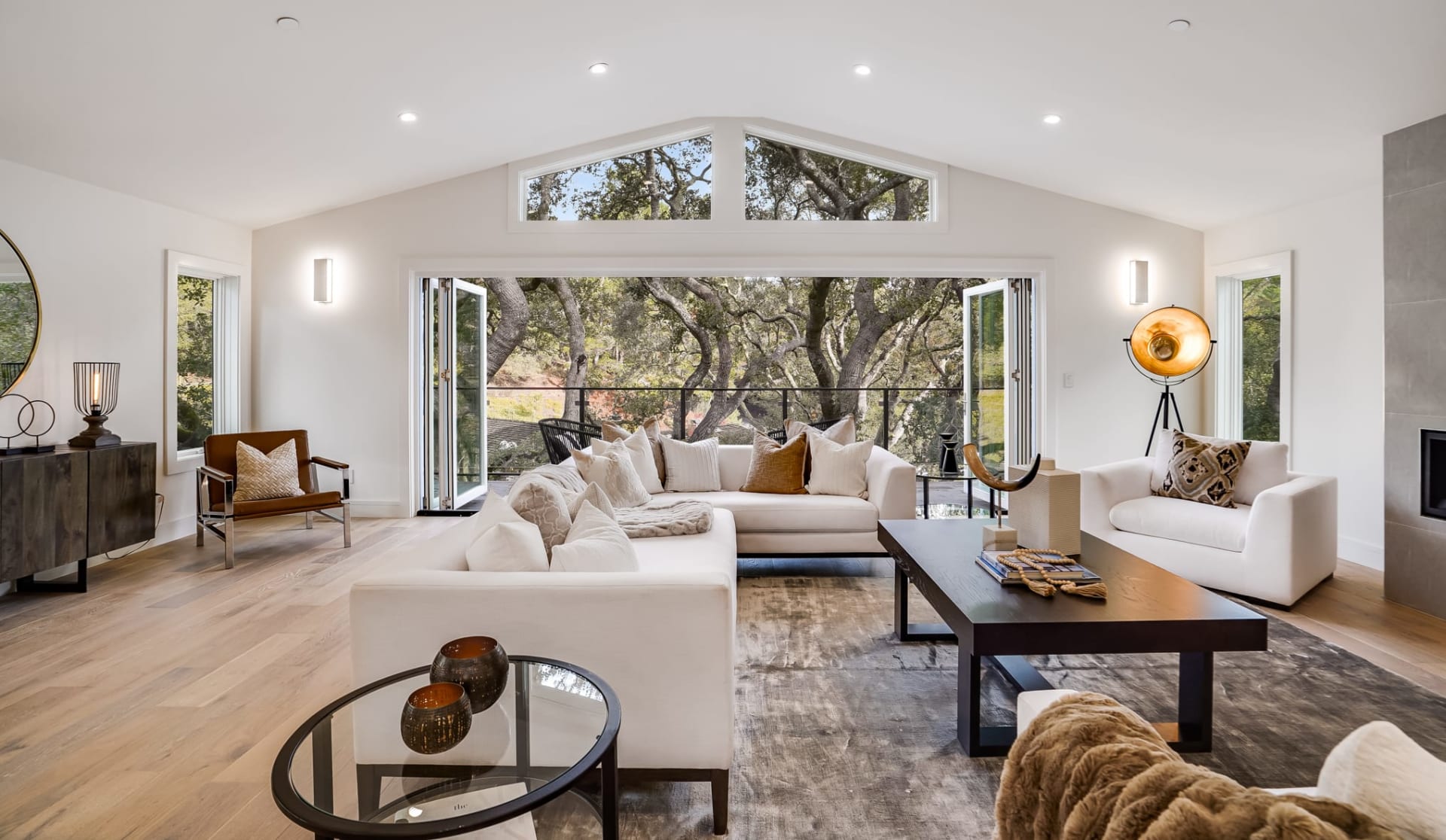
Pull the sofa and chairs away from the walls - floating furniture in a conversation arrangement makes a room feel intentional rather than staged-against-the-perimeter. Anchor it with a neutral area rug.
In the kitchen, clear the counters. Every small appliance, the dish rack, the stack of mail - gone. Leave out a bowl of fresh fruit or a simple vase of flowers and call it done. Clean and open reads as expensive.
Crisp white bedding, neutral walls, nightstands cleared of everything except matching lamps and maybe a single book. The primary bedroom should feel like a calm retreat, not a room that's being slept in.
Bathrooms need to read like a clean hotel room. Personal toiletries come out of the shower and off the counters. Fresh white towels go up. Grout and mirrors get spotless attention.
The first impression is formed before buyers open the front door. Mow the lawn, trim overgrown bushes, and put down a fresh layer of dark mulch in the garden beds.
Paint the front door something inviting. Put out a new welcome mat. Check that the porch lights are working and free of cobwebs - it's a small thing that buyers notice.
Clutter makes rooms feel smaller and storage feel inadequate - two things that cost you money at negotiation. A storage unit during the listing period is one of the better investments you can make.
When your family portraits and travel collections dominate a room, buyers feel like guests in your home instead of future owners of theirs. That mental distance is exactly what you don't want.
Whether you're still living in the house changes everything about how you manage the presentation. Each situation needs a different approach.
A vacant property gives you a blank slate, but empty rooms feel cold and echoey - and they make it harder for buyers to judge scale. An occupied home feels lived-in and warm, but it requires genuine daily discipline to stay show-ready.
This is mostly about building habits. Keep a laundry basket within reach so you can sweep up shoes, mail, and toys before a sudden showing request comes in.
Wipe down kitchen and bathroom counters every morning. Make beds as soon as you get up. The fewer daily-use items you have out, the easier this routine becomes.
Virtual staging uses software to drop digital furniture into photographs of empty rooms, which helps vacant listings look more compelling to buyers browsing online - and that's where most buyers start.
The limitation is straightforward: it's digital. When buyers walk through the door, they're still walking into an empty house. It works best when the architectural details are strong enough to carry the in-person experience on their own.
Local professionals understand the architectural styles common in this neighborhood - particularly the historic Tudors found throughout Land Park - in a way that generalist firms from outside the area simply don't. They also tend to have inventory ready to go, which keeps your listing timeline on track.
Look at a stager's portfolio carefully. A company that does excellent work in modern downtown condos may not be the right fit for a historic property with original built-ins. The aesthetic has to match the house.
Ask your agent for recommendations. They see which local companies consistently deliver results - who's reliable, who communicates, and who owns quality furniture.
Clarify the rental period included in the initial fee - typically 30 to 60 days - and ask what the monthly renewal rate looks like if the property stays on the market longer than expected.
Also confirm whether the company carries their own insurance for moving furniture in and out. Walls and floors can get damaged during installation, and you want to know in advance who's responsible.
Several companies are actively serving Land Park and the broader Sacramento market. Mint Home Staging works across Sacramento and Placer counties. Urban 57 Home Décor & Interior Design covers Sacramento, Folsom, and Roseville.
Staging By SquareOne is another local option - they have a client testimonial from a resident on 11th Avenue right here in Land Park. Shine Design and Staging, run by Dawn Russell, also serves the Sacramento area.
Yes. According to the 2025 NAR Profile of Home Staging, 49% of sellers' agents reported that staging reduced the time a home spent on the market.
For an occupied home, whole-home professional staging runs roughly $1,500 to $4,000. If the property is vacant and needs all rental furniture, that generally rises to $3,000 to $6,000 or more.
It depends on scope and availability. DIY decluttering and painting typically takes a few weekends. A professional team can usually install their furniture in a single day once they have an opening in their schedule.
Leaving too much personal clutter and pushing all the furniture against the walls are the two most common errors. Pack away personal photos, neutralize paint colors, and pull seating arrangements closer together to define the space.
For an occupied home, focus on deep cleaning, removing personal items, and keeping only the furniture you need. For a vacant property, prioritize renting furniture for the main living areas so buyers can get a sense of scale.
Virtual staging adds digital furniture to your online listing photos to attract buyers browsing the internet. It's affordable and effective for online presentation, but buyers will still walk into an empty, unfurnished house when they visit in person.
You don't have to figure this out on your own. Walking through the property with a real estate professional early in the process helps you prioritize the updates that move the needle - and skip the ones that don't.
With a median sale price around $807,000 and homes selling in an average of 14 days, a well-presented listing in this neighborhood performs very well. Getting that advice before you start spending time and money makes a real difference.
An agent will tour your home the way a buyer would - looking for what to address, not what's sentimental to you. They'll flag simple fixes, like pulling out a bulky armchair or swapping a dated light fixture, that can immediately change how a room reads.
You'll leave with a clear, room-by-room list. Something you can act on.
If your property needs a professional touch, your agent can connect you with trusted local companies like Staging By SquareOne or Mint Home Staging and help coordinate the initial bids to keep things moving.
A polished presentation ensures your home stands out the moment it hits the market - and in Land Park right now, that moment goes fast.
Stay up to date on the latest real estate trends.


Land Park CA
With over 158 closed transactions and a focus on straightforward guidance, Melissa Allman stands out as the best real estate agent in Land Park, Sacramento, CA, helpin… Read more
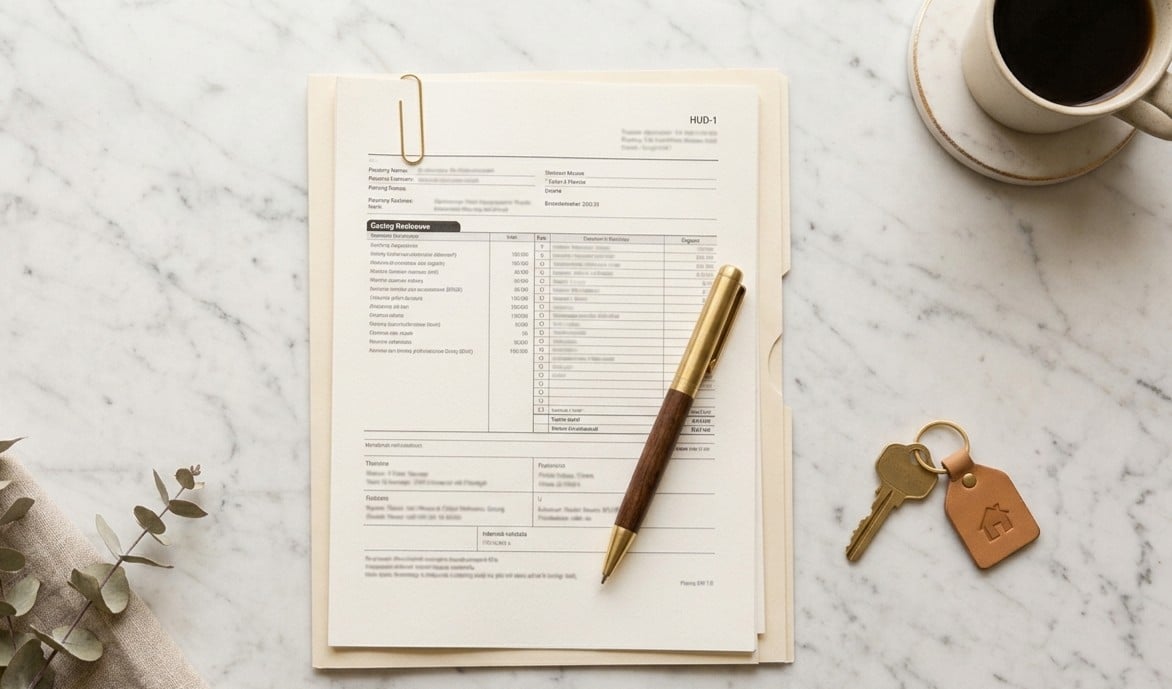
If you're thinking about selling your Sacramento home this year, there's one line item that deserves more attention than it usually gets: the transfer tax.
Land Park CA
Land Park is heading into 2027 in a holding pattern. Buyers and sellers are both waiting to see which way property values and mortgage rates break, and neither side is… Read more

Land Park CA
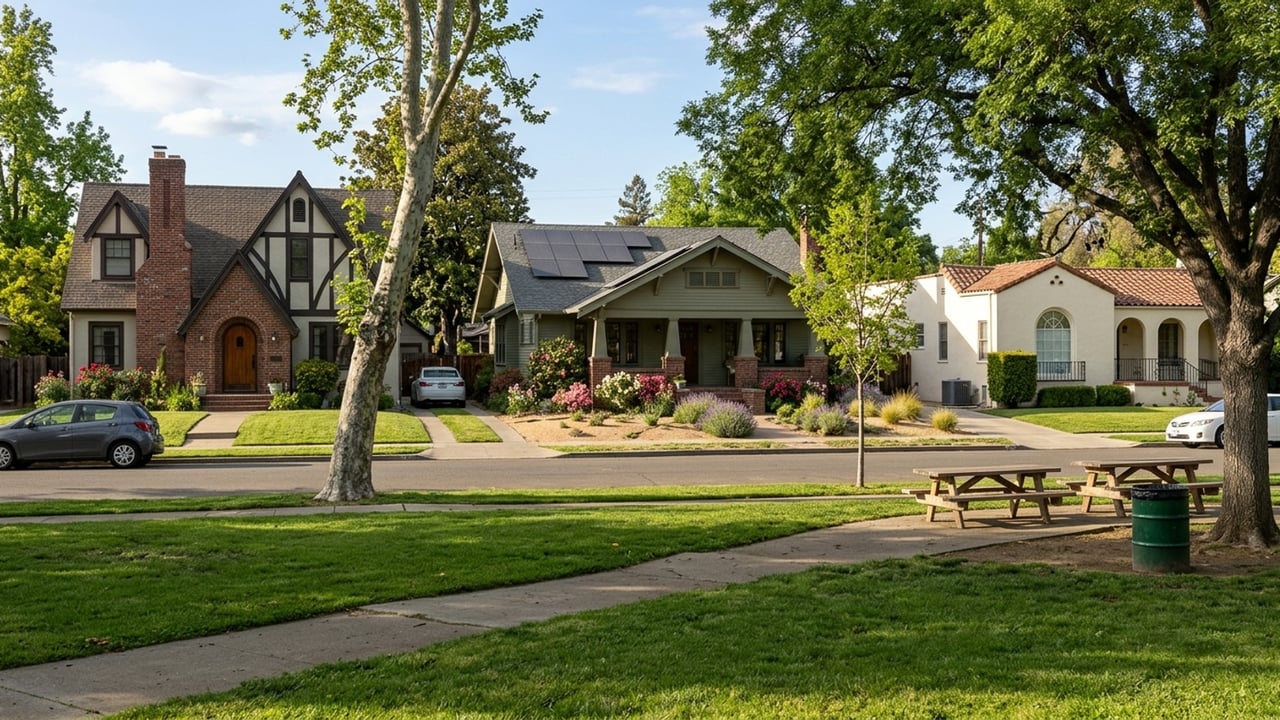
Land Park has no general acute care hospital inside its boundaries. Hospital access means reaching a network's main campus: UC Davis, Sutter, Dignity Health, or Kaiser.
Land Park CA
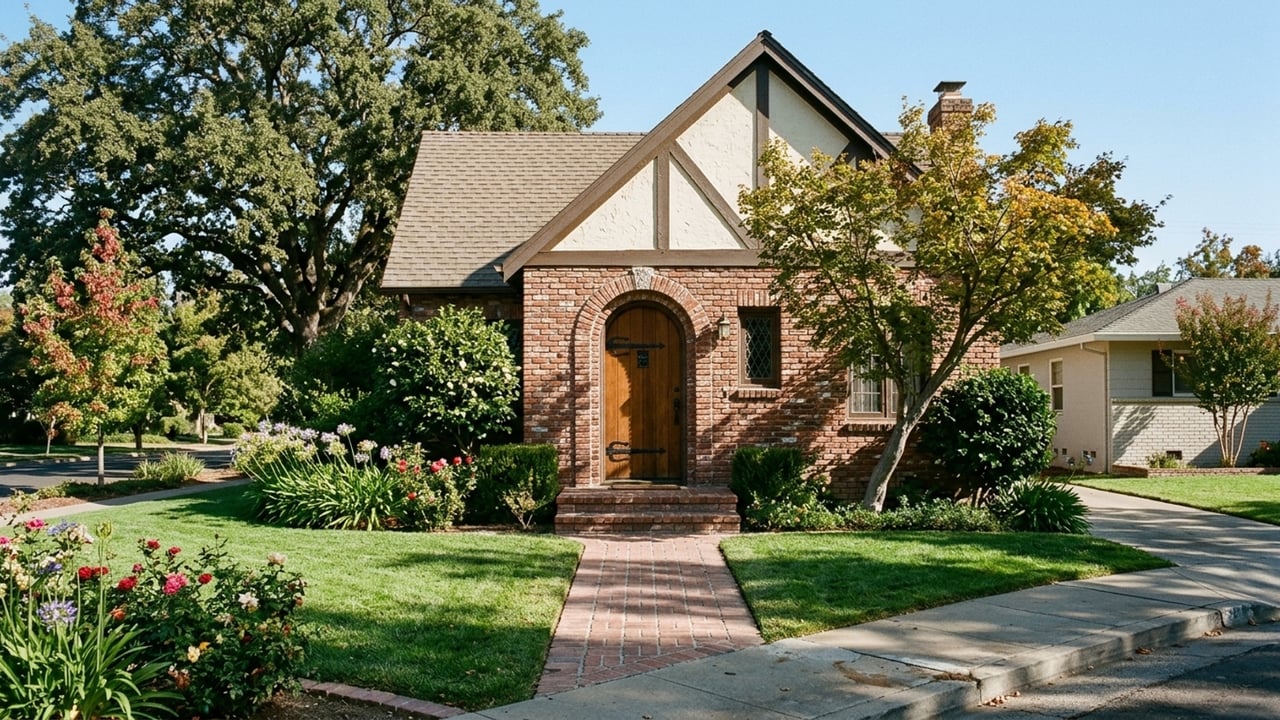
Land Park's core housing stock dates from the 1920s through the 1940s. Buying a house here means taking over a specific set of local utility accounts and inheriting th… Read more
Land Park CA
House-hunting in south-central Sacramento often comes down to picking a housing era. Land Park's pre-war streets and South Land Park's mid-century tracts sit side by s… Read more
Land Park CA
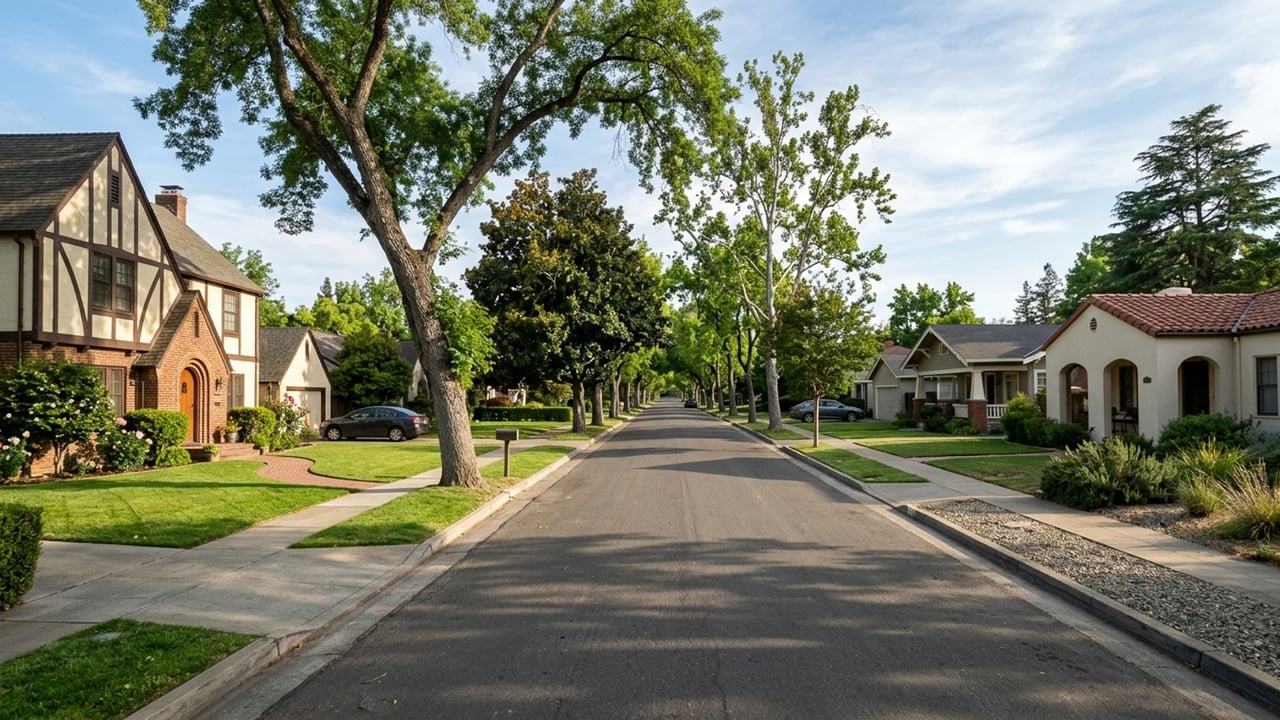
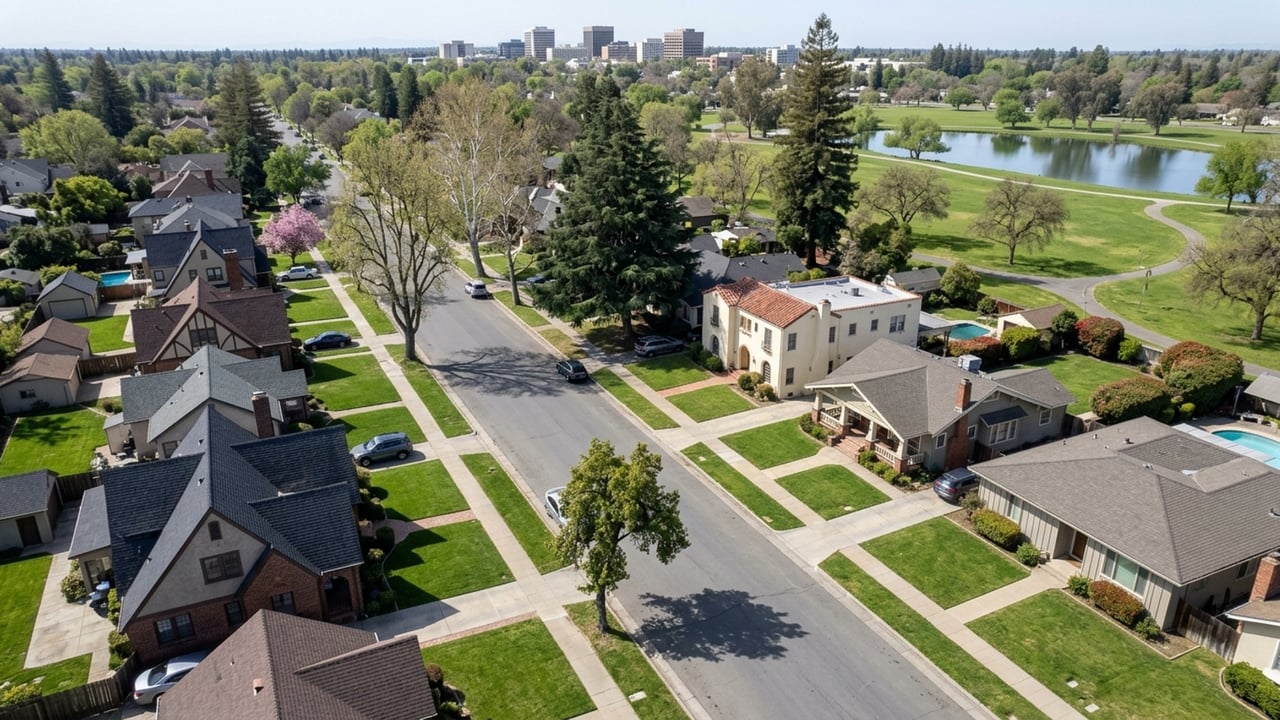
Land Park sits about three miles south of the downtown core, defined by tree-lined streets and early-to-mid 20th-century architecture. Buyers come here for the access … Read more
Your real estate goals are within reach, and we’re here to be your guide. Whether you’re searching for your first home, looking to build your investment portfolio, or ready to maximize the sale of your property, MegaBliss Real Estate will provide the support, expertise, and dedication you need to reach your goals.
Get In Touch With Our Team To Learn More
730 I Street, Suite 200 Sacramento CA 95814 Melissa Allman | CA DRE# 01397300